
Why the internet loves to hate
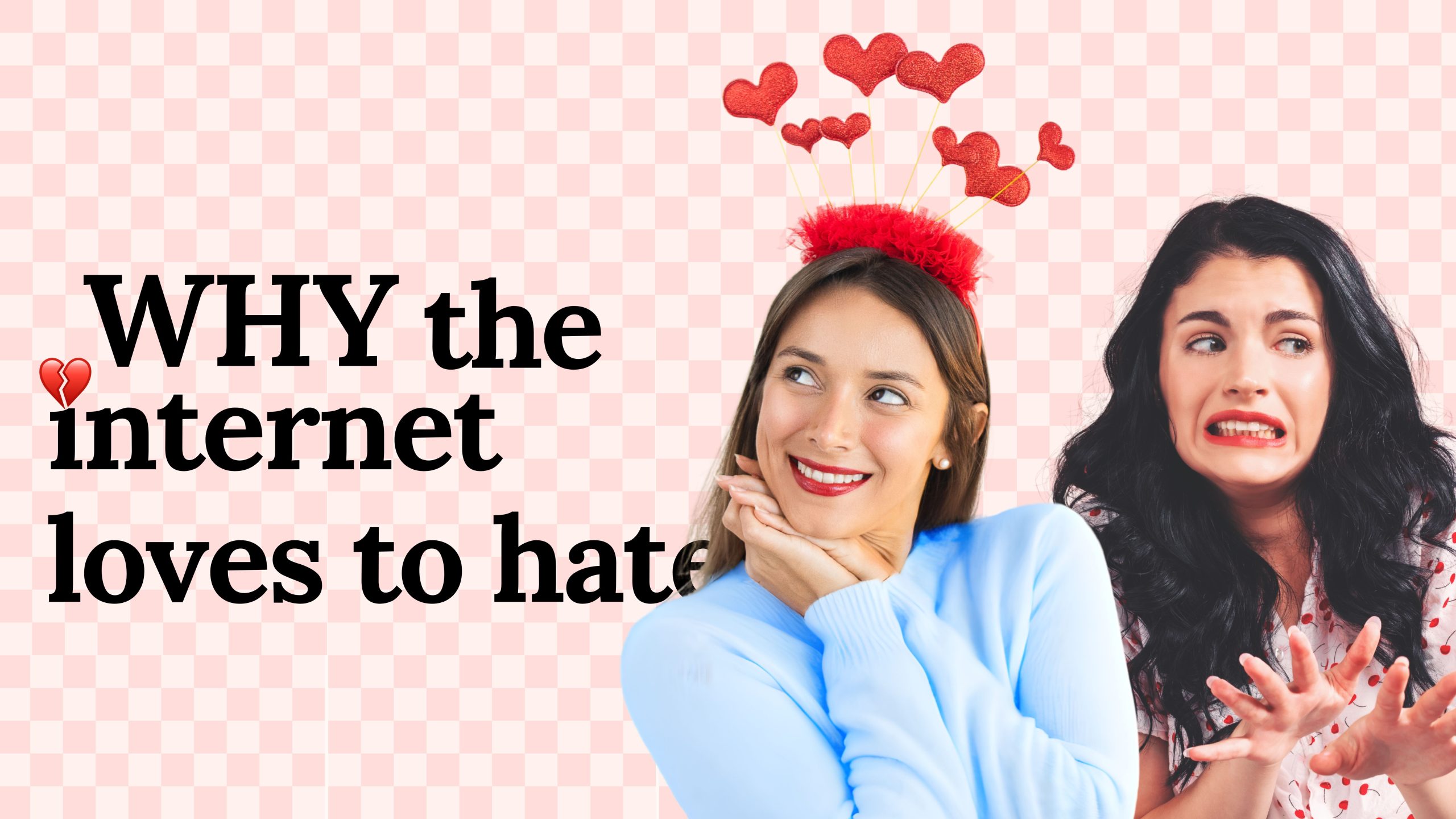
Algorithms love conflict. Online, dislike often spreads faster than delight. The cost of being fair feels higher and the reward for being harsh feels instant.
Here are the mechanics behind that, and a few ways to respond without feeding the pile-on, taking insights from a recent community WhatsApp group discussion on Chetan Bhagat’s upcoming book, 12 Years: My Messed-up Love Story.
The incentive problem
Platforms reward posts that trigger quick reactions. Anger, mockery, and disgust travel faster than measured praise, so creators and commenters learn to sharpen their takes. That is why a polarising hook outperforms a nuanced paragraph.
As Ritu put it, some figures become “authors people love to hate,”
which keeps the cycle spinning whether or not the work has been read.
Hate as belonging
Performing disapproval can be a way to belong to a crowd. It signals taste and tribe. People want to be in the thread where the joke lands or the dragging happens, so they add a spiky comment even if they are not deeply invested.
Christopher offered a useful mirror. We once “placed him on a pedestal,”
then our sensibilities changed while his brand stayed put. Distancing ourselves from the brand became our way of fitting in.
Gatekeeping and its mirror image
There is real snobbery around what counts as “good.” There is also reverse snobbery that treats all criticism as elitism. Both flatten the conversation.
Kiranmayi pointed out how “it has become fashionable to bash” based only on a blurb.
That is a snap judgment dressed up as criticism.
Aditya offered a craft-first lens: “I have only problem with over the top ‘spice levels’ in romance on the expense of the story or plot. Otherwise, all tropes are ok.”
Speed kills nuance
Hot takes arrive before context. Once a label sticks, it gets repeated more than it gets examined.
Sukaina called this “selective outrage” and noted how often it happens “without reading the book.”
Speed creates certainty where there should be curiosity. When the book finally arrives, opinions have already hardened.
Better ways to disagree online
- React to pages, not promos. If you have only seen the blurb, say so.
- Critique choices, not people. Keep it on the work.
- Ask what the trope is doing in the story. Device is neutral. Execution is not.
- Silence is a valid response when the thread is performative.
- Reward nuance with your attention. Share a thoughtful review.
The internet loves to hate because hate is easy to spread and easy to signal. We are not powerless, though. If we slow down, read before we roast, and keep critique on the page, we make room for sharper standards and fewer pile-ons. That helps readers, writers, and the conversation itself.
Join our community WhatsApp group to be part of more such engaging discussions every Friday.