

The real reasons Mumbai tops Asia’s happiness list

Mumbai has officially been named Asia’s happiest city for 2025 according to Time Out’s latest City Life Index. In the survey, 94% of Mumbaikars said their city makes them happy, and nearly 9 in 10 said they feel happier in Mumbai than anywhere else they’ve lived or visited.
Time Out asked over 18,000 people across cities to rate where they live on culture, food, nightlife, affordability, quality of life, and how much joy their city brings them day to day. Mumbai didn’t just sneak into the list. It topped Asia, beating Beijing, Shanghai, Chiang Mai, Hanoi and more.
But if you live here, you know happiness in Mumbai isn’t only about vibrant nightlife and street food There are some rarer reasons this chaotic city scores so high.
The everyday support system deserves an applause
Mumbai runs on informal safety nets.
Your dabba arrives from home to office and back with clockwork precision, thanks to dabbawalas who know your tiffin better than your boss knows your schedule. Your building watchmen, the flower aunty, the rickshaw bhaiya at the corner stand, basically a person for everything you can think of… they all become part of an unspoken care network.
In the Time Out survey, locals specifically credited community spirit and the sense that people seem positive as key reasons for happiness. Happiness here is often knowing that if your tire punctures in the rain, five strangers will appear with advice, a jack, and an unsolicited life story.
Joy squeezed into tiny spaces
Mumbai is also a masterclass in finding joy in very little room.
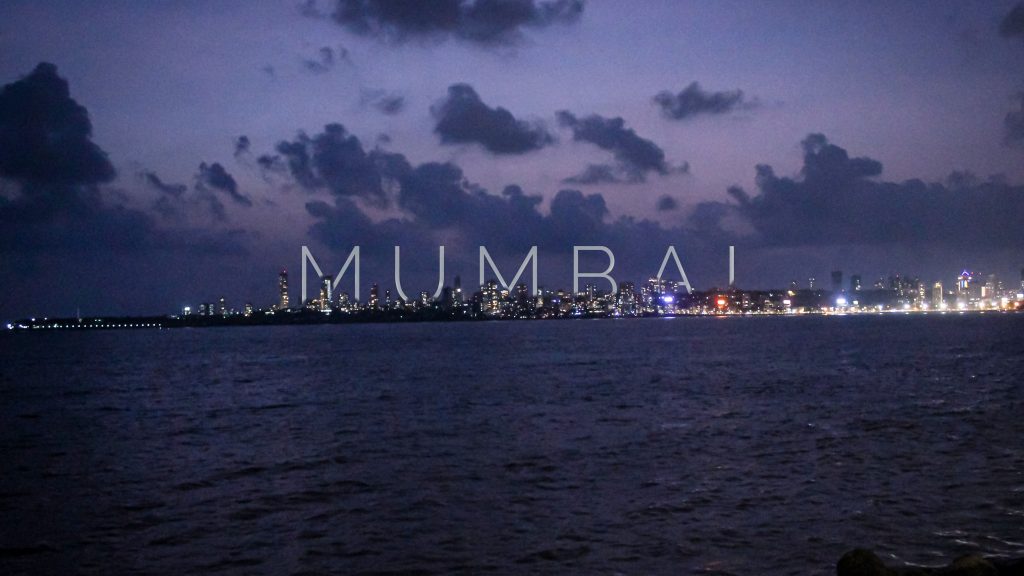
The city scores high on finding joy in everyday experiences for example, a sea breeze at Worli or Bandra after a packed train ride, kids playing cricket in a lane that technically isn’t wide enough for a car, a cutting chai stall that doubles up as a neighbourhood news channel!
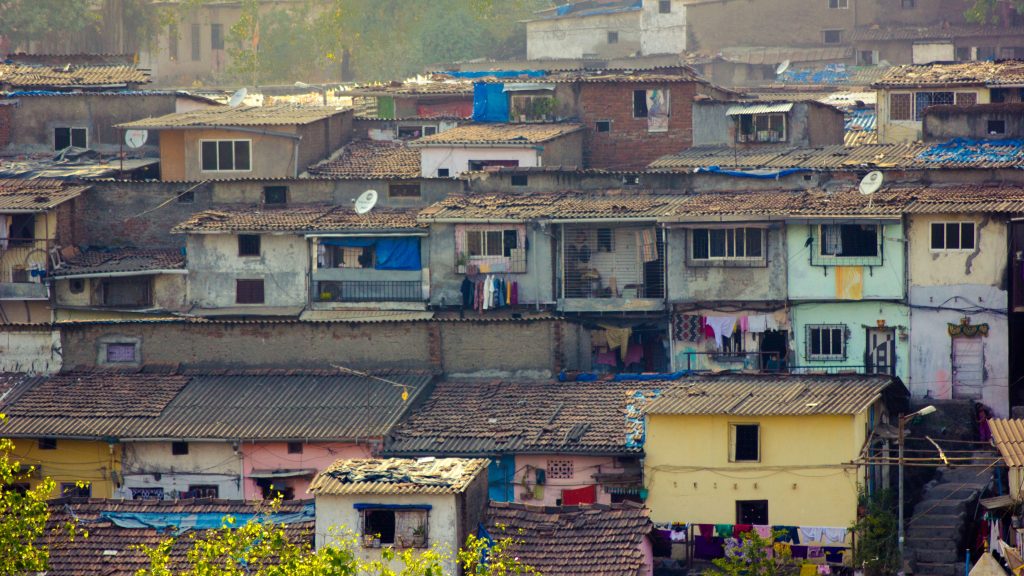
In a city where square footage is luxury (Remember the movie Love Per Square Foot?), people invest emotionally in micro-moments like balcony plants, shared corridors, the one window with a half-decent view. That habit of noticing small good things is basically happiness muscle training.
The “hustle = hope” equation
On first glance, Mumbai doesn’t look like a typical happy city. It’s too crowded, fast-paced, expensive, and ranked fairly low in classical liveability indices.
And yet, in this survey, 87% of locals said happiness in the city has grown recently, and 89% feel happier here than elsewhere. One reason could be opportunity. From film sets to finance to startups to side hustles, the city of dreams gives people the feeling that something can happen here. Maybe a connection, a gig, a promotion, a stroke of luck. That sense of possibility, even when the odds are bad, creates a weirdly optimistic base layer under all the stress.
A city built on organised chaos that people trust
It may sound odd to call Mumbai predictable, but in many ways it is. How?
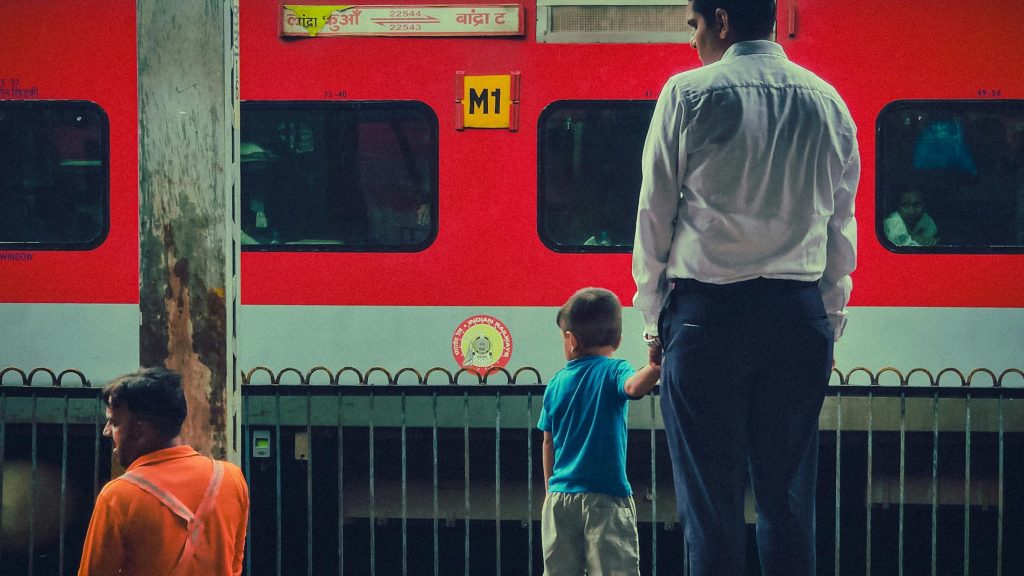
Trains follow a rhythm everyone knows. Office hours, lunch breaks, and traffic peaks are almost ritualised. Even the monsoon, messy as it is, arrives with its own familiar script.
That predictable chaos gives people a strange kind of comfort. You may be late, soaked, and stuck but you more or less know how you’ll be late, soaked, and stuck. For many residents, that feels safer than silent, empty streets.
Public spaces that belong to everyone
When surveys talk about culture and lifestyle, they often mean high-end venues. But Mumbai’s happiness often lives in free and semi-public spaces…
Marine Drive and Worli Sea Face where walkers, couples, joggers, and workers in uniform all share the same promenade
Chowpatty, Shivaji Park, Juhu beach are not fancy spaces, but deeply democratic ones
Ganpati visarjan routes that turn entire neighbourhoods into moving festivals.
Suchita from our A- Team says her Mumbai happiness starter pack is simple: a good vada pav and the sea. For Leha, it’s the way the city is endlessly resourceful and jugaadu. Somehow there’s always a workaround, a contact, a ho jaayega solution waiting around the corner. Sona is fascinated by the energy the people bring and says she loves the evening breeze. No matter how hot or humid the day is, it always cools down in the evening.
Public happiness here isn’t gated. You don’t need a membership card to sit by the sea.
The emotional resilience of the city
Mumbai has a long history of coming back from floods, terror attacks, infrastructure collapses. Each time, the narrative of Mumbai spirit gets rolled out, sometimes a cliché, but also not entirely wrong.
That collective memory of we have survived worse shapes how people see rough days now. Resilience isn’t glamorous, but it’s a big part of why people say they’re feeling okay, even in a tough environment.
Food as a social equaliser
Mumbai’s street food is talked about a lot. But there is another layer to it. In Mumbai, you can have an IT professional and a delivery rider eating the exact same pav bhaji at a stall, a call centre executive and an investment banker at the same Irani café table, students, senior citizens, and nurses in one tiny vada pav queue.
That shared food culture flattens social hierarchies for a few minutes. It creates micro-communities around flavours… something a lot of Mumbaikars, when asked, point to as their happiest, most nostalgic memories.
A quick reality check
Is Mumbai perfect? Obviously not. Housing is unaffordable for many. Infrastructure regularly buckles under pressure. Inequality is stark and visible.
And this survey captures how people feel about their city, not whether the city is fair to everyone. And right now, according to the data, Mumbai residents are saying loud and clear that this messy, exhausting, crowded city still makes them happy.
Maybe that’s Mumbai’s real flex. Not that life is easy there, but that somehow, despite it all, people still find enough reasons to smile and say, haan, yahi sahi hai.