
How to write your short story based on a theme

Incorporating a theme into a short story can feel intimidating at first, but the right approach will make things easier for you. The theme will help you shape your characters, their choices, and the overall emotional impact.
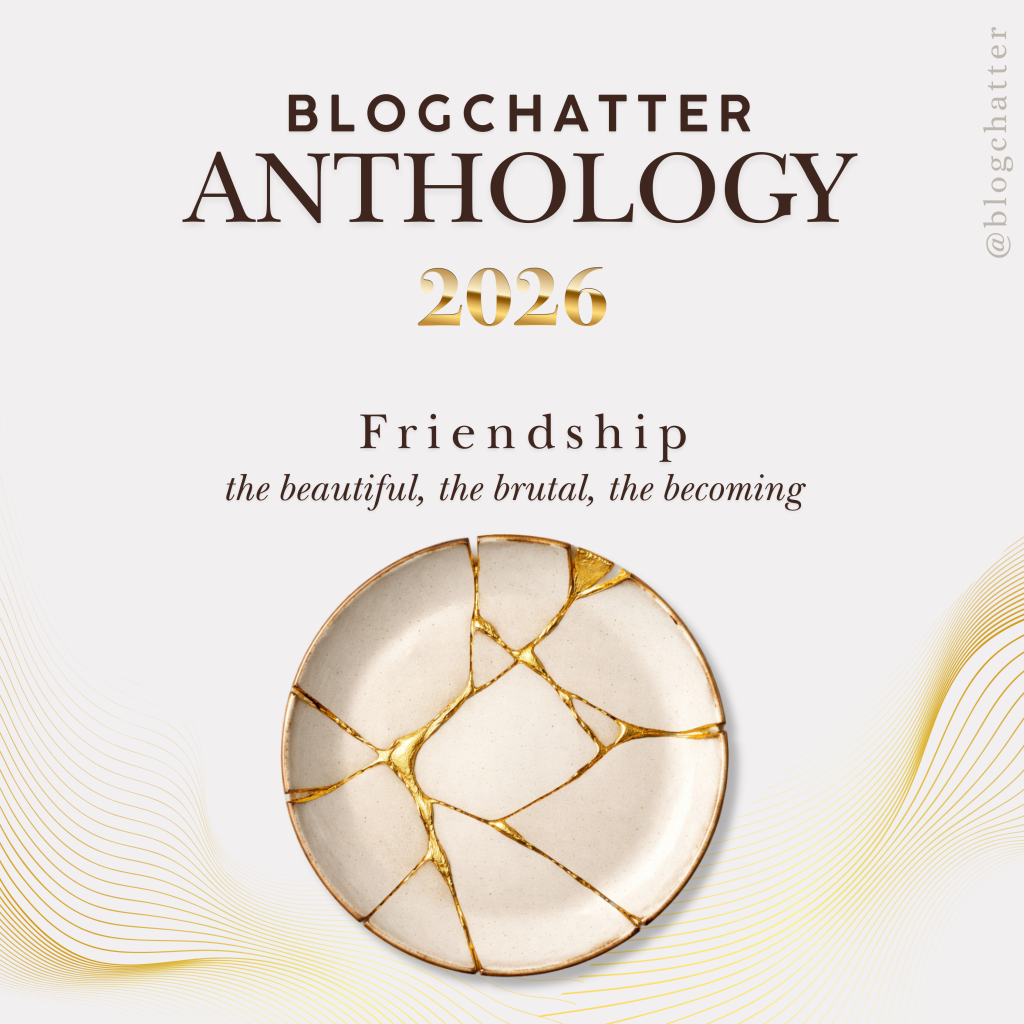
Here is a functional guide to help you get started. The theme of Blogchatter Anthology in 2026 is Friendship and we will give you a few examples to ease you in.
Know your theme: The said and the unsaid
Friendship is one of the most powerful and relatable themes you can explore. But writing a story about friendship is different from simply writing characters who are friends.
A strong story about friendship reveals something meaningful about connection, loyalty, trust, sacrifice, or betrayal. While writing, decide what it is that you are saying about friendship.
You can narrow it down into a theme statement.
Ask yourself what kind of friendship is this, what’s the truth about this relationship that can be revealed, is there a tension in this bond?
Try completing this sentence:
This story shows that friendship ______.
Some answers that you might come up with:
Friendship requires honesty.
True friendship survives distance.
Friendship can become toxic.
Loyalty to a friend comes at a cost.
Growing up sometimes means growing apart.
Notice that each of these sentences will take the story in a different direction.
Be clear about the backstory
For the reader to see the story clearly, first get that clarity in your head. Where did they meet, any shared childhood memories, inside jokes or a tradition. Pepper your story with these.
These small touches also give emotional weight to their choices later.
A few other things when you are writing your story
Subtle symbolism can deepen your theme. Some examples: a treehouse that the friends used can be a symbol of childhood innocence, a fraying bracelet may show a friendship under strain. The reader will be able to make a connection and that gives them an aha moment.
Keep the characters and the bonds real. Real life relationships are fraught with jealousy, resentment and even effort that’s not distributed fairly. Complexity rather than whites and blacks brings authenticity.
A turning point can define the story’s arc and the ending. This point can be when one of the character changes for better or for worse. The ending should also be able to reshape atleast one character, or the nature of the friendship itself.
Let the actions of the characters reveal the theme. Example: a friend staying in the hospital all night long or someone who walks away from a strong bond that seemed unbreakable.
Create distinct characters. Contrast is another way to keep the reader engaged. Some examples: one friend is cautious and the other is impulsive, one wants to leave their hometown, the other wants to stay.
Now that you have a framework to incorporating the theme and writing a great story, get started.
Registrations for Blogchatter Anthology 2026 are on till March 5th. If you haven’t registered yet, now is the time to do it.