Sonia Gandhi’s Instagram Debut Tells Us Something About How Books Are Sold Today
From newspaper reviews to Bookstagram and creator-led campaigns, book marketing has changed considerably. But is visibility becoming as important as the writing itself?
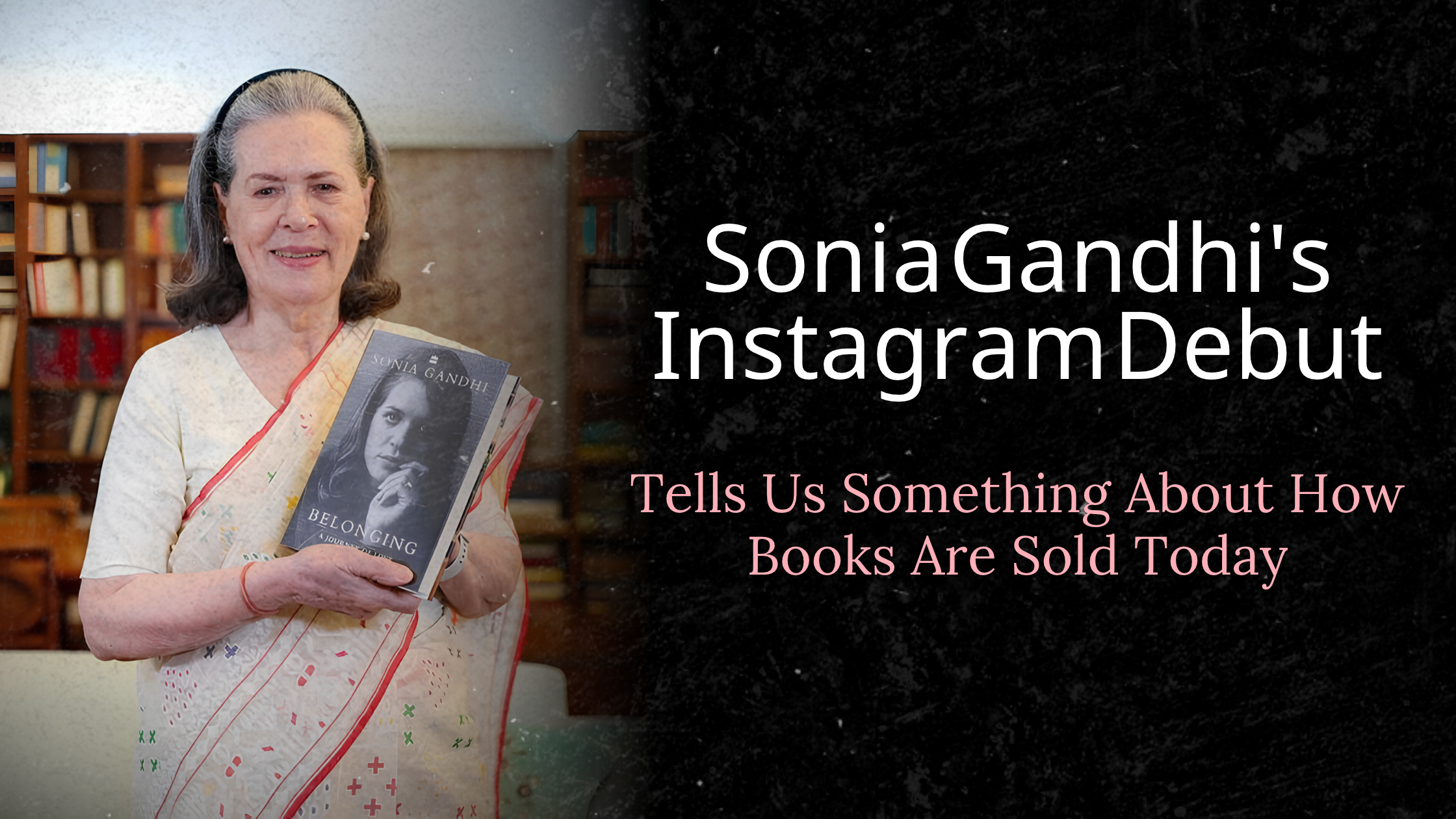
When Sonia Gandhi joined Instagram on October 22, 2026, her first post wasn’t about politics. It was about her memoir, Belonging: A Journey of Love.
The video showed her receiving copies of the book, looking through photographs and celebrating with Priyanka Gandhi Vadra. For someone who had spent decades in public life without a personal Instagram account, it was an unusual debut.
The memoir, published by HarperCollins India on November 10, had already made headlines following a disagreement with its original Indian publisher, Penguin Random House India. Now, its publicity had taken another interesting turn.
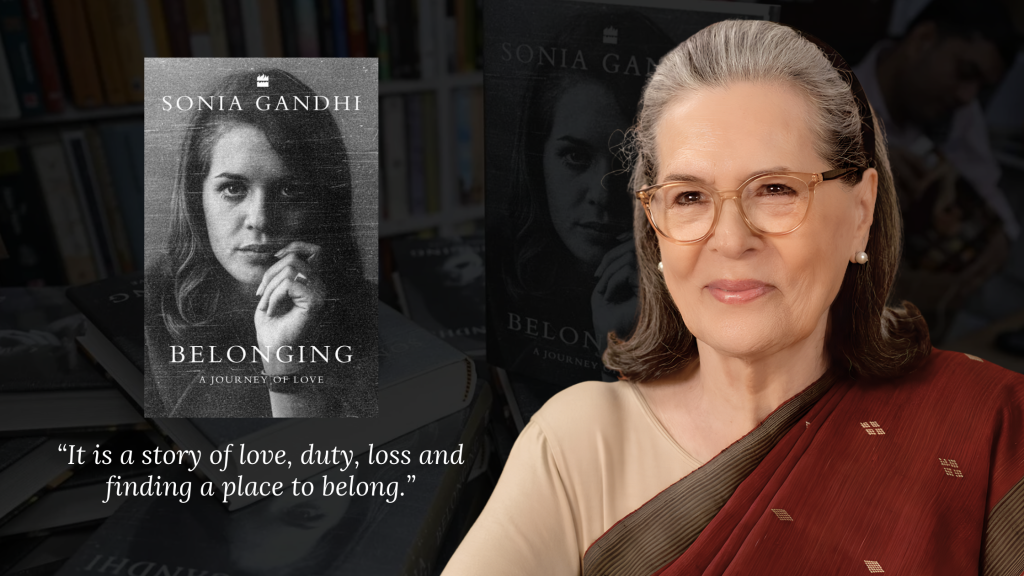
Sonia Gandhi hardly needed Instagram to make her book newsworthy. But her decision to use the platform to introduce it says plenty about how books are promoted today.
What Sonia Gandhi’s Memoir Tells Us About Changing Book Publicity
There was a time when book publicity largely depended on newspaper reviews, literary magazines, bookstore displays and author appearances. A recommendation from an established critic or a prominent display at a bookstore could introduce readers to a new writer.
Those avenues still exist, but they no longer have the same control over discovery.
Today, someone might buy a novel after watching a 30-second Instagram reel, listening to a podcast or seeing an enthusiastic recommendation in a readers’ group.
BookTok has been particularly influential internationally. According to Publishers Weekly, an estimated 59 million print book sales in the US in 2024 were associated with BookTok-related content.
And these platforms aren’t exclusively promoting new releases. Older titles can find fresh popularity when readers begin discussing them online.
A Book Launch Can Now Look Like a Film Campaign
Consider Prajakta Koli’s debut novel, Too Good to Be True, published in January 2025.
Its marketing went well beyond interviews and signing sessions. The campaign included an original soundtrack, a customised Blue Tokai coffee blend, Blinkit advertising and a 14-city tour involving college campuses.
According to the campaign creator’s portfolio, the book received over 20,000 preorders and reportedly sold 1.5 lakh copies within its first month.
Arundhati Roy’s 2025 memoir, Mother Mary Comes to Me, followed a different route. Penguin Random House India planned its publicity nearly a year ahead, combining bookstore promotions and literary events with podcasts, international interviews and a dedicated Instagram page. Roy also signed preordered copies for bookstores. As ThePrint reported, the campaign brought traditional literary publicity and digital platforms together.
Must Every Author Become a Content Creator?
Authors are increasingly encouraged to build audiences before their books arrive. Social media posts, newsletters, podcasts and reader interactions can all contribute to visibility.
But writing a book and constantly promoting yourself are two very different jobs.
An author with thousands of followers may attract immediate attention, while an equally talented writer with little online presence could struggle to get noticed.
And although influencer recommendations can help readers discover books, sponsored promotions also make transparency important. Readers deserve to know when enthusiasm comes with a commercial arrangement.
Who Decides Which Books Get Noticed?
Bookstores, critics and literary festivals remain relevant, but readers now have more influence over which titles gain attention.
A recommendation from a book blogger or an active reading community can introduce a book to people beyond the publisher’s usual reach.
For independent authors, this creates opportunities that were once difficult to access. It also means competing in crowded feeds where attention can disappear quickly.
Sonia Gandhi’s memoir arrived with the advantage of a famous name and considerable media interest. Most writers cannot count on either.
The bigger question for publishing is whether these new marketing channels will help more books find readers or simply make the already-famous even harder to compete with.