

The Chabimaster by Harinder S. Sikka: When Tradecraft, History, and Moral Risk Collide
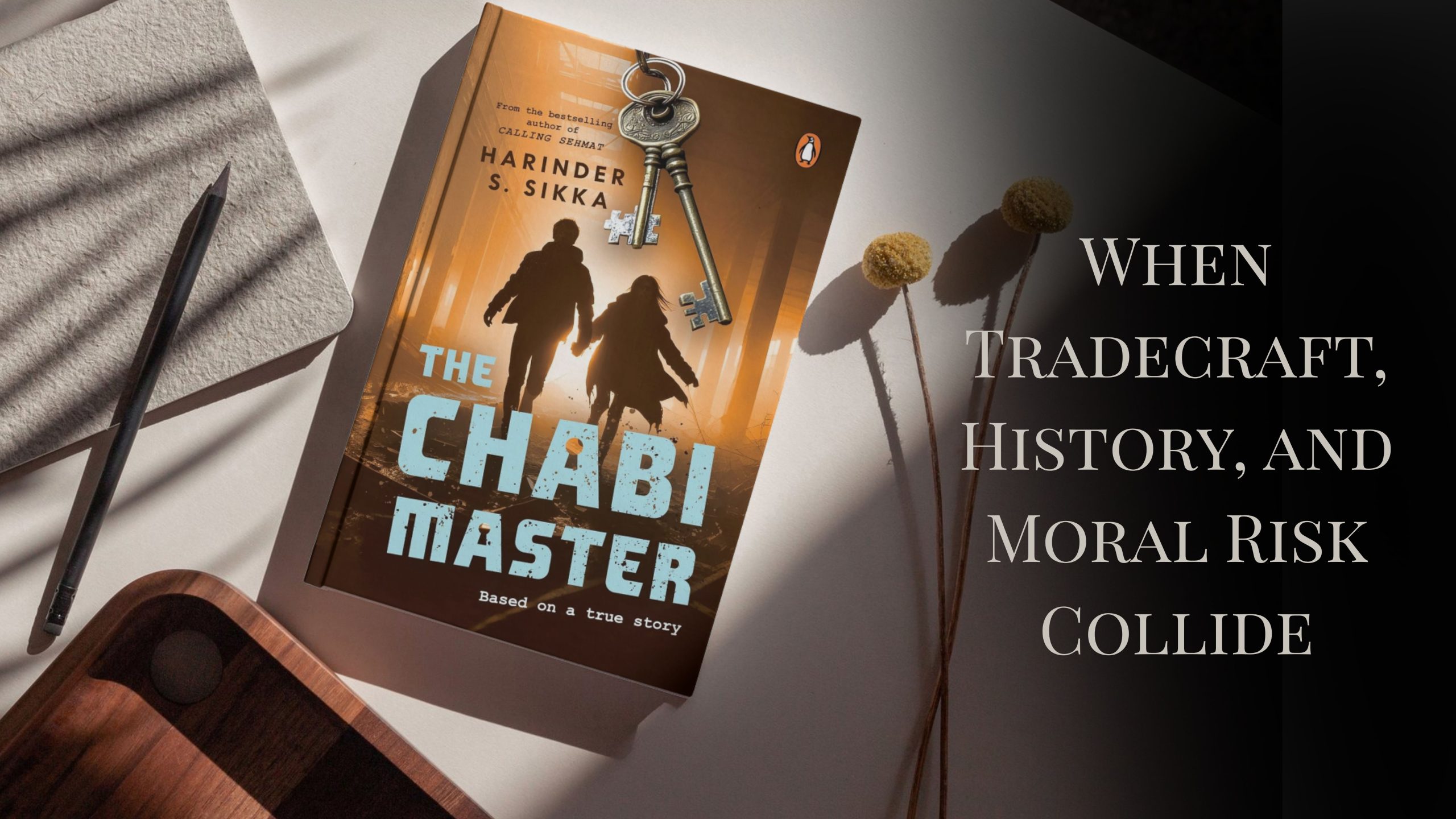
With The Chabimaster, Harinder S. Sikka returns to the terrain he knows best: the shadowed intersection of geopolitics, intelligence work, and human judgment. Published by Penguin Metro Reads, this high-stakes espionage thriller is set against one of South Asia’s most consequential political ruptures, General Zia-ul-Haq’s 1977 coup in Pakistan and the early years of martial law that followed.
Sikka, a former Indian Navy officer and the bestselling author of Calling Sehmat (the novel that inspired the blockbuster film Raazi), once again draws on lived institutional knowledge to craft a story that feels less imagined than engineered.
A Thriller Rooted in Real Geopolitics
The novel unfolds amid a rigorously researched political backdrop, using documented history as its canvas rather than a loose inspiration. The aftershocks of Zia’s takeover ripple across the region, shaping clandestine alliances, procurement networks, and the quiet wars fought through access, information, and technology rather than open combat.
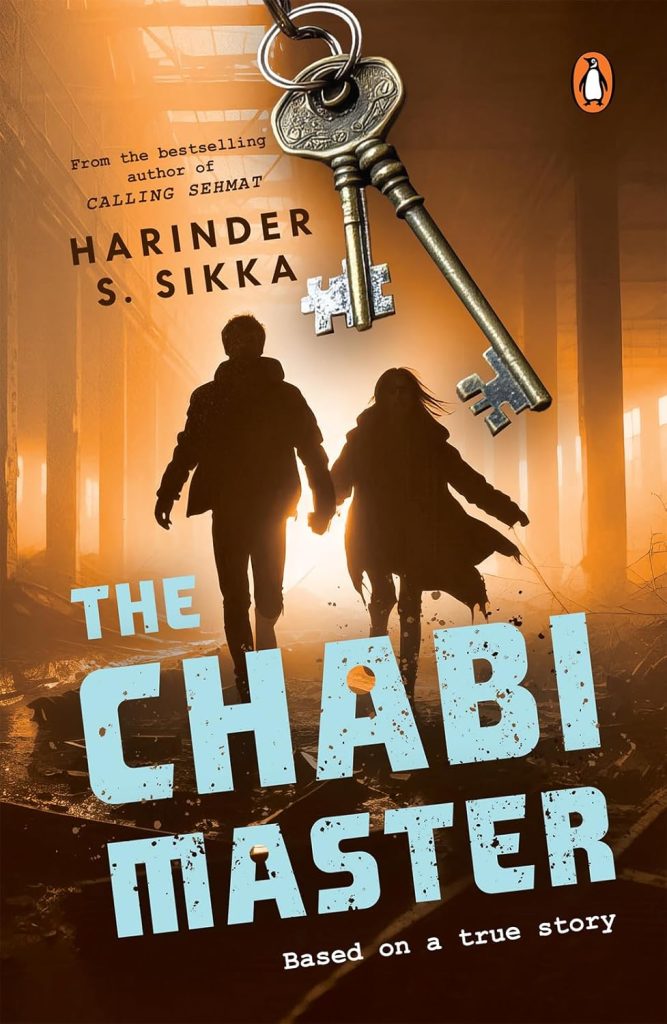
The Chabimaster focuses on the mechanics of power: how weapons move invisibly through international networks, how influence is engineered, and how small technical decisions can carry enormous geopolitical consequences.
Meet Samy, the ‘Chabimaster’
At the heart of the story is Samy, a RAW specialist whose exceptional mastery of locks and safes earns him the codename “Chabimaster.” His skill is not ornamental, it is operationally decisive. Tasked with penetrating a clandestine weapons network that could alter the regional balance of power, Samy’s pursuit takes him across India, Pakistan, London, and Istanbul.
Tradecraft as Storytelling
One of the book’s defining strengths is its granular attention to tradecraft, a rarity in Indian spy fiction. Floor plans, hotel logistics, ingress routes, safe mechanisms, and step-by-step technical problem-solving are rendered with precision. These details don’t slow the story; they are the story, creating tension through process.
This fact-forward approach gives the novel a distinctive texture. It reads like fiction built from operational manuals, while carefully avoiding the fictionalisation of real individuals.
Ethics Under Pressure
Beyond its plot, The Chabimaster poses difficult ethical questions. Intelligence work here is not heroic abstraction but a series of calculations under uncertainty. The book interrogates the cost of “necessary” risk, collateral damage, and the limits of certainty when decisions must be made with incomplete information.
In doing so, it continues the thematic lineage that began with ‘Calling Sehmat’, which brought questions of espionage and loyalty into mainstream conversation through ‘Raazi’. While comparisons are inevitable, The Chabimaster stands firmly on its own, more technical, more austere, and perhaps even more unsettling.
Why This Book Stands Out
What makes The Chabimaster compelling is not just its pace or premise, but its discipline. It treats espionage as a craft shaped by history, engineering, and consequence. For readers interested in real geopolitics, counter-proliferation networks, and the moral ambiguities of covert action, this novel offers multiple points of entry.
With The Chabimaster, Harinder S. Sikka delivers a precision-tooled espionage narrative, one that proves that in spy fiction, method can be as gripping as mayhem, and that history, when handled with care, can heighten suspense rather than constrain it.