
“Two titles in one moment”: Komal on new motherhood, a rare ovarian tumour, and choosing voice over silence
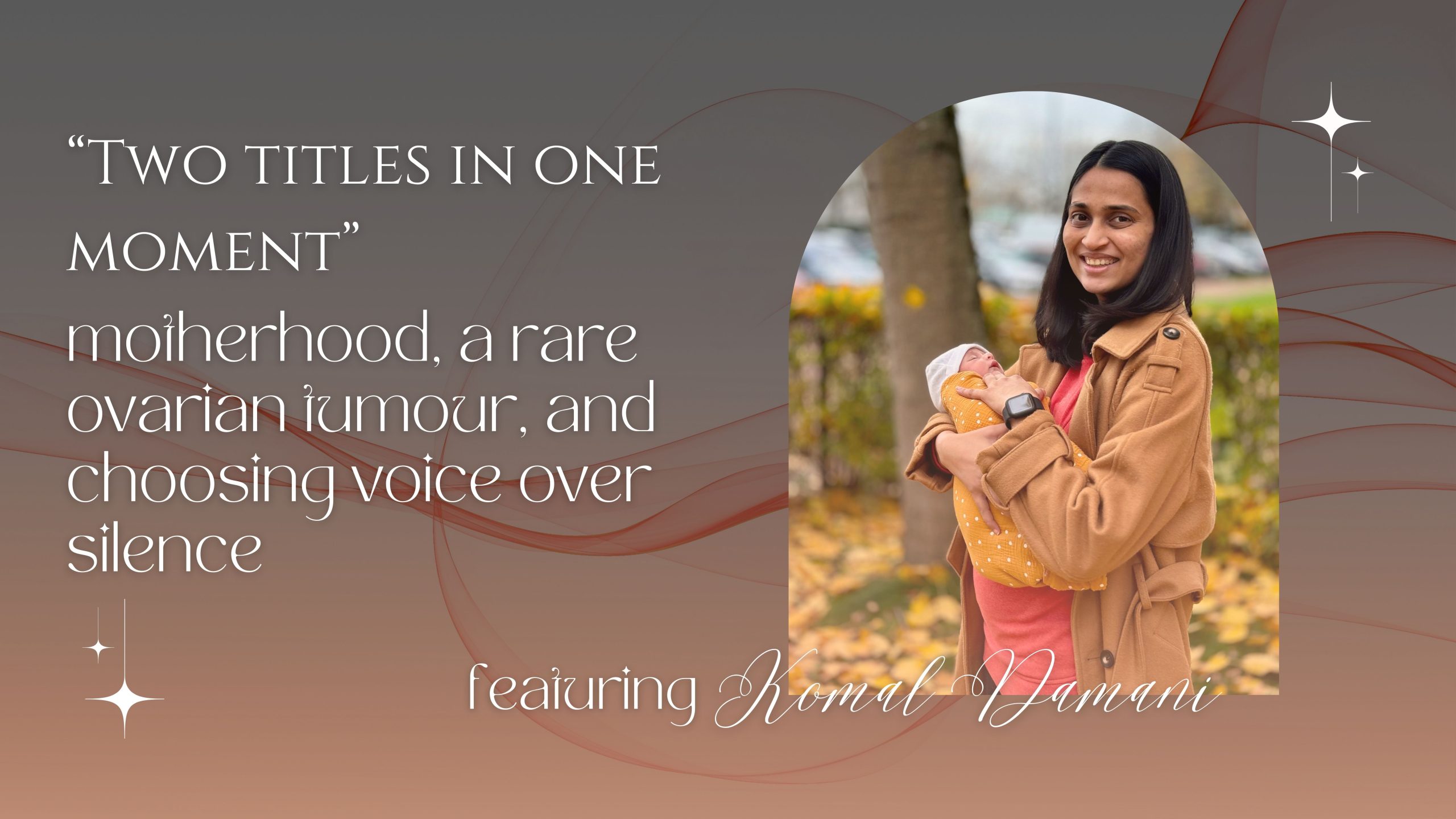
On the day she met her son, Komal also met her cancer diagnosis. In this candid conversation, she speaks about the blur of birth and biopsy, the weight of recovery, and why she wrote a book to stand with other cancer warriors. Let’s dive into our talk with her.
When did you first sense something was off? Was there any sign during pregnancy?
From the very beginning, I felt unusually anxious about my pregnancy, but I dismissed it as hormones. By the second trimester, I began having sharp pains. Everyone said pregnancy isn’t painless, and because scans showed my baby was fine, I endured it.
Later, doctors found a fibroid, but no one thought to check my ovary. Ovarian tumours are rare at my age, especially during pregnancy. Because blood tumour markers mirror pregnancy hormones, nothing raised alarm.
Take us to that day: welcoming your son and receiving your diagnosis. What’s the moment you remember most clearly?
In the operating room, they placed my newborn on my chest, and for a few blissful moments nothing else mattered. Then I heard: “We can’t find the fibroid.” The sudden panic was like a record scratch on the most beautiful song I’d ever heard. The joy of meeting my son fused instantly with the knowledge that something was terribly wrong. From that moment, my motherhood and my cancer diagnosis were linked.
I received two titles in one breath.
Tell us about the part in these journeys that we don’t talk about enough
Most people think the journey ends when treatment ends. Often, the hardest part begins then. The world expects you to be “better”, to return to a normal that no longer exists. Our real battle was recovery: learning a body that felt foreign and a mind still afraid of the future.
We had to learn to be a family again, not a medical team.
The scars, physical and emotional don’t vanish when the chemo bell rings. Living with them is its own, quieter journey.
How did newborn care and cancer care overlap and what was hardest, what was unexpectedly beautiful?
The hardest part was not fully stepping into the life I was fighting for. While others enjoyed milestones, I was often struggling to hold my child without wincing or fighting the fatigue of chemo.
And yet, there was beauty. A second chance sharpens your sight. My husband and son became my teachers, loving me exactly as I was: bald, scarred, often weak. My son wanted my presence, not my perfection.

Prayers, blessings, and simple acts of love from loved ones and strangers showed me a kind of support I didn’t know existed. In darkness, I found a new kind of strength and beauty.
What did support and self-care look like for you?
My support system was the village that carried me when I couldn’t walk. My husband was my rock. My sister, parents, and in-laws cared for both my son and me.
A handful of family and friends didn’t ask what we needed; they simply showed up.
Our son reminded us of the beautiful life waiting on the other side. And my team of doctors, nurses and trainers kept my heart steady and my body moving.

Self-care wasn’t spa days; it was daily discipline, mental and physical. It meant accepting a new normal and letting go of the person I was. I focused on small, intentional changes to build a healthy, happy life worthy of this second chance.
If you could rewrite how people respond to visible illness, what would you want them to do or say?
Let go of the instinct to fix us. Don’t tell us to be brave or stay positive. Those can feel like demands to hide our fear and pain. We are already brave to face this.
Instead, show up. Listen. Sit with us in silence. Distract us for a while. The most meaningful acts were simple: a friend taking my son to the park, a meal dropped off, a loved one just being there without asking anything in return. Support is less about the perfect words and more about your quiet presence.
What moved you from “this is my story” to “this should be a book”? Tell us more about it
My tumour was rare, and there was so little information, especially for a new mother. I went in blind and realised my experience could be a light for someone else.
There’s more to it than hair loss and side effects; it’s about navigating life when everything is chaotic.
My book isn’t a sob story. It’s a reminder that we can create moments of joy even under a shadow.
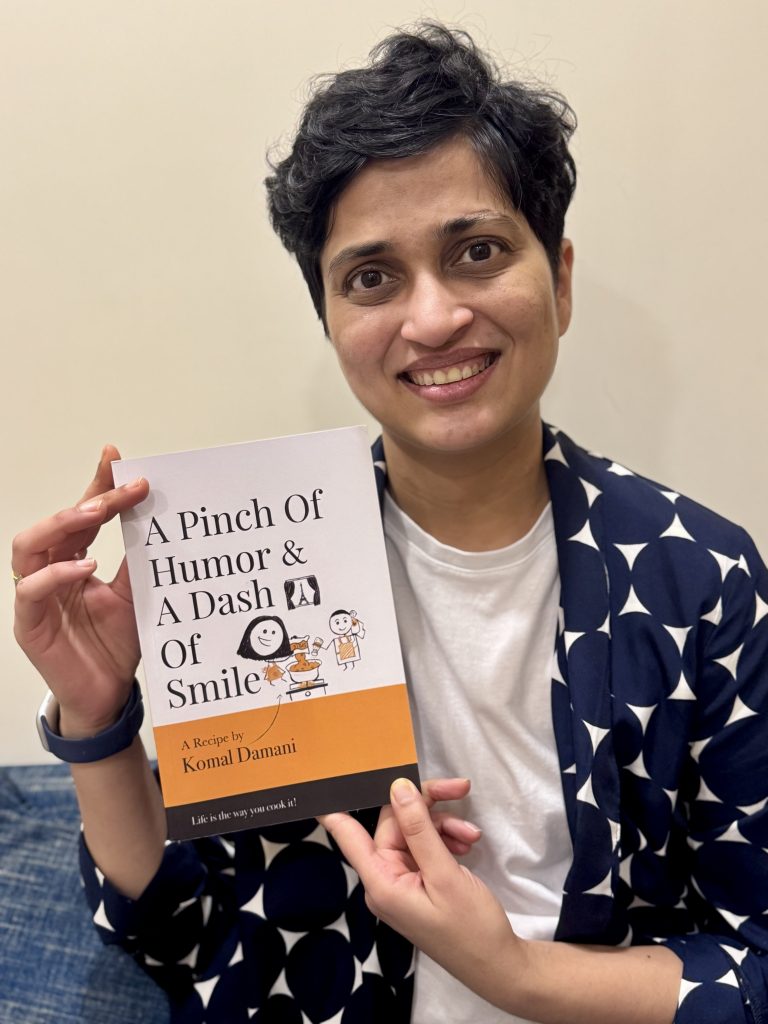
People asked how I could smile through it all, this book is my answer. A pinch of humour and a small smile can be powerful tools. It’s about finding the strength to live, not just survive.
Proceeds will support fellow families navigating cancer. You can buy it here.
One belief you let go of, and one you hold tighter now
I’ve always been a realist; nothing is permanent and life is a constant learning curve. This experience didn’t break that belief, it confirmed it.
What I hold tighter now is my trust in karma and my inner peace.
I can’t control what happens, but I can choose how I walk the path, meeting each challenge with acceptance, without regret.
Komal calls that operating-room moment “two titles at once.” Since then, she has chosen presence over perfection, voice over silence, and community over stigma. Her story doesn’t end with treatment; it widens into recovery, motherhood, and a book that turns pain into support for others.
Life is fragile and still deeply precious; when we show up for each other quietly, consistently, hope multiplies.

You can also connect with Komal on her Instagram
Do you have a story to share? You can do so through CauseAChatter Stories.