
Why “Always On” Platforms Are Becoming the New Normal
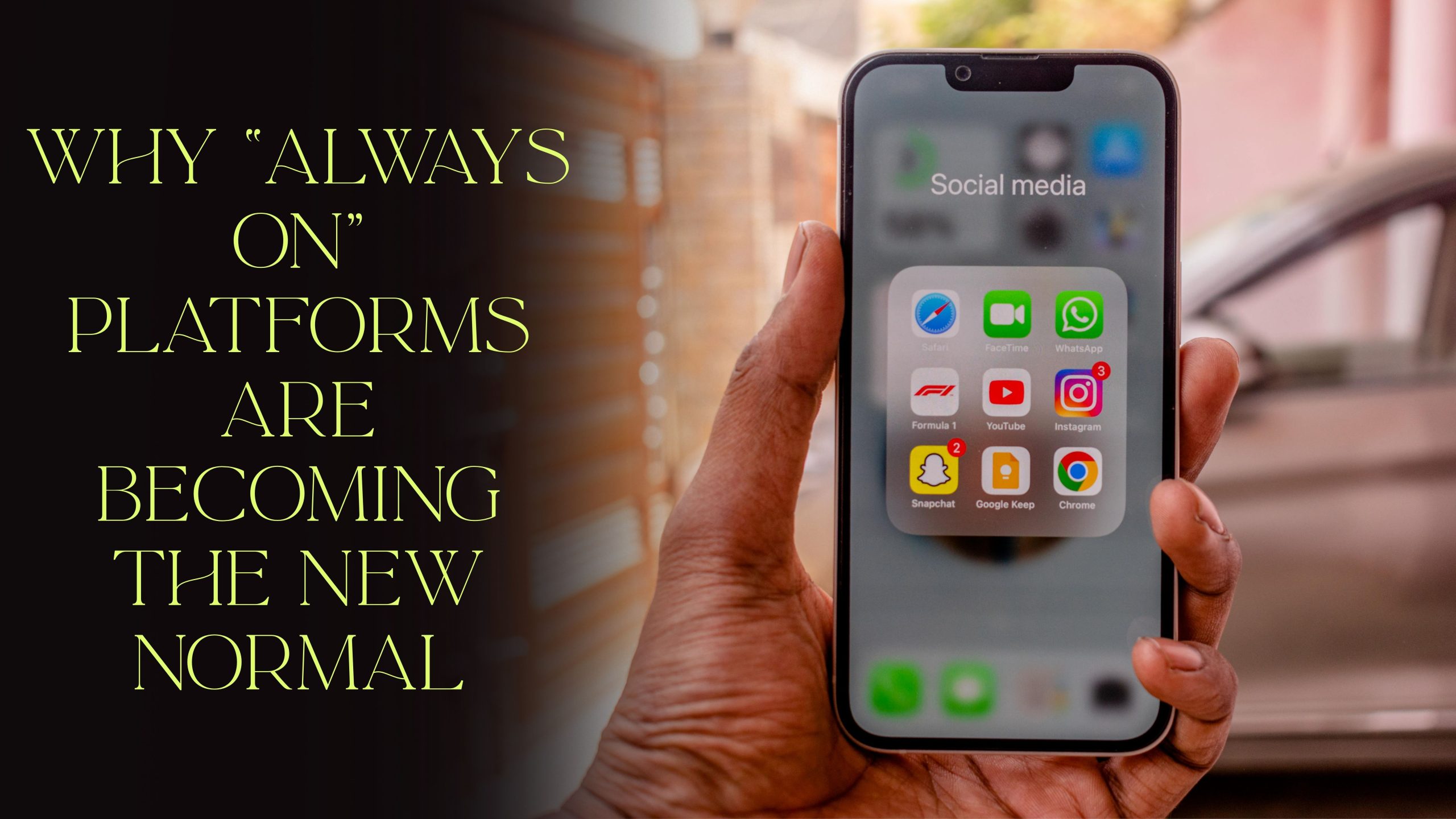
We’ve gotten used to instant access to digital services. Movies, food, customer support, and entertainment are all available on demand, so people now expect results immediately instead of waiting for “business hours.” That is why “always on” platforms are becoming the new normal. It is not just a tech upgrade. It reflects a real shift in user behaviour, including less patience for delays, more frequent check-ins, and a growing demand for services that feel available 24/7.
In this article, we’ll break down what’s driving the always-on trend, the kinds of platforms leading the charge, and why users keep coming back. We’ll also cover the trade-offs around burnout, trust, and responsible design, as well as what businesses can do to stay competitive without becoming intrusive.
Always-Available Experiences
“Always on” platforms are services designed for instant access; you tap in, get what you need, and move on.
You see this model everywhere. Streaming platforms deliver on-demand shows and live events whenever you are ready. Social feeds and messaging apps are never truly “closed,” which means there is always something new to check. Delivery apps turn cravings into orders in a few taps. Live service entertainment keeps the door open around the clock, including live casinos like Betway, where the experience is designed to feel immediate and real-time.
Live formats fit the always-on model because they are easy to enter and exit. You can jump in for a few minutes, play or watch, and hop out with no major commitment. These platforms also keep improving how they hold attention. Recommendations, personalised offers, and “next up” prompts reduce the time you spend deciding what to do next.
Add frictionless accounts and fast payments, and the whole experience becomes so smooth it barely feels like a process. That is the point of always-on design: remove delays, reduce effort, and make participation feel effortless.
What Changed: The Forces Driving “Always On”
“Always on” did not happen because one company flipped a switch. It happened because several everyday upgrades stacked on top of each other.
First, smartphones became the default way people go online. Phones are always within reach, and constant connectivity makes it normal to check apps in tiny moments throughout the day. Notifications only reinforce the habit.
Second, signing in and paying got easier. Digital wallets and frictionless checkout remove small hurdles that used to slow people down, so “do it now” becomes the default.
Third, mobile apps have improved. A cleaner design, faster load times, and smarter prompts reduce user effort while lowering drop-off for platforms.
Finally, the infrastructure behind the scenes caught up. Cloud computing allows platforms to scale, stay available, and deliver reliable experiences across regions and time zones.
The Psychology of “Always On” Design
Convenience is the main selling point. You open the app, get what you want, and close it with almost no effort or planning. Because the experience is low-friction, people fall into micro-sessions. You check “for two minutes,” get a quick hit of something interesting, and then come back again and again.
A major driver is the reward loop. When you do not know exactly what you will see next, such as new messages, fresh content, a like, or a deal, your brain stays curious. Behavioural science calls this intermittent reinforcement, often in a variable pattern, and it is known to encourage persistent checking behaviour.
Social proof turns the volume up. Views, likes, trending labels, and “people are talking about this” cues nudge users to join in. Real-time feedback, including replies, reactions, and live updates, makes the platform feel active and alive.
Personalisation reduces decision effort as well. Instead of choosing from endless options, the platform serves a short list that feels “for you.” That lowers cognitive load and makes it easier to keep going.
Why Businesses Love It
Businesses love always-on platforms because they turn one-time users into regulars. Higher retention and repeat use often lead to stronger profits over time. Bain’s research, published in the Harvard Business Review, found that a 5% increase in retention can raise profits by 25% to 95%.
Always-on products can also create a flywheel. More usage generates more data. More data improves personalisation. Better personalisation boosts engagement, which increases usage again.
Monetisation becomes more flexible too. Instead of relying on a single big purchase, platforms can mix subscriptions, ads, and smaller in-app purchases, including microtransactions, to accommodate different budgets and habits.
When the product includes social features, the community becomes a growth engine. As more people join, the platform becomes more valuable through classic network effects.
What Users Get (When It’s Done Well)
When well-designed, always-on experiences are created, users benefit too. The biggest advantage is convenience and speed. You can get things done on your schedule instead of waiting for someone else’s operating hours. That is why self-serve, always-available digital services keep growing.
Users also get more choice and customisation. Instead of a one-size-fits-all experience, the service can remember preferences, recommend better options, and let people adjust settings so the experience feels personal.
Support is another win. Many companies now offer 24/7 chat, help centres, or automated support tools so users can solve problems quickly without waiting on hold.
Finally, the experience works across devices. You can start on your phone, continue on your laptop, and pick up where you left off. Users now expect consistent cross-device experiences, and always-on platforms are built to deliver that.
Always On, Always a Choice
“Always on” is the new normal because it matches how people live. Life is fast, mobile, and built around personal schedules. The opportunity is real, but so is the responsibility. Businesses should build for convenience while also prioritising trust, control, and healthy use. That is what lasts.