
The Strange Pressure To Read The “Right” Way
Reading looks like a simple hobby from the outside, but readers know there is a lot of judgement inside it.
A casual conversation in the Blogchatter community brought this up recently. People spoke about being judged for reading romance, murder mysteries, queer romance, Chetan Bhagat, fiction, Nancy Drew, Vedic literature, western philosophy, and even for not having read certain classics. Some had been judged for their genre choices. Some for their format. Some had not been judged openly, but still worried about how their reading looked to others.
That says enough about where reading culture is today.
The Hidden Ranking System Around Books
A lot of this comes from the way we rank books in our heads. Non-fiction often gets treated as more useful. Literary fiction gets more respect. Romance and thrillers are still dismissed in many circles, even though both genres have loyal, active, thoughtful readers. Popular fiction gets mocked because it is popular. Classics become a different kind of pressure because people assume a “real” reader must have read the expected names by a certain age.
This is not only unfair, it is boring.
A person’s bookshelf does not need to look like a university reading list to be taken seriously. People read for many reasons. They read to relax, to escape, to learn, to feel less alone, to pass time, to understand people, to enjoy a plot, to return to something familiar. A reader who enjoys romance is not automatically shallow. A reader who prefers thrillers is not avoiding serious thought. A reader who has skipped some classics is not less of a reader.
The Paperback Debate Needs A Reality Check
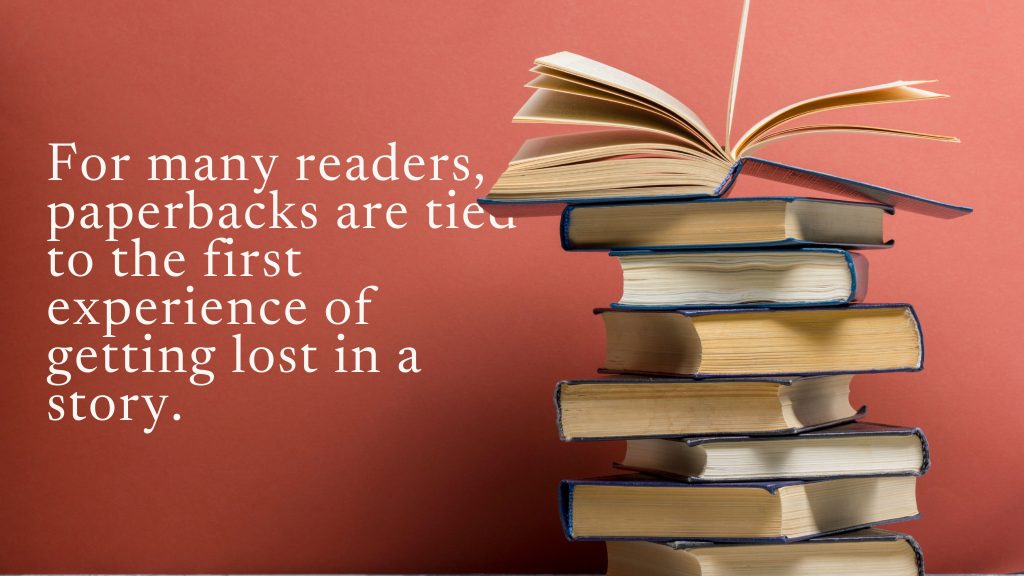
The paperback debate brings out another kind of judgement. Many people still treat paperbacks as the most “proper” way to read. The love for paperbacks is easy to understand. There is comfort in the feel of a book, the smell of pages, the break from screens, the memory of childhood reading.
But that does not make every other format inferior. Our chat had several practical answers about this. Some readers use Kindle because it is convenient. Some read on their phones because the phone is always with them. Some have used PDFs because buying books was not always affordable. Some listen to audiobooks because their days are full of work, chores, caregiving, pets, business, or writing, and audio is the only format that fits into their routine.
Here the idea of “real reading” becomes too narrow. Reading is not only one visual of a person sitting with a paperback and a cup of coffee. It can also be someone listening to a book while cooking, someone reading on a Kindle during travel, someone using a phone at night, someone returning to an old PDF from their student days.
The format changes the experience, but it does not cancel the reading!
Online Book Spaces Are Helpful, But Not Innocent
Online reading spaces have helped many readers find community, recommendations, reading challenges, and confidence in their own taste.
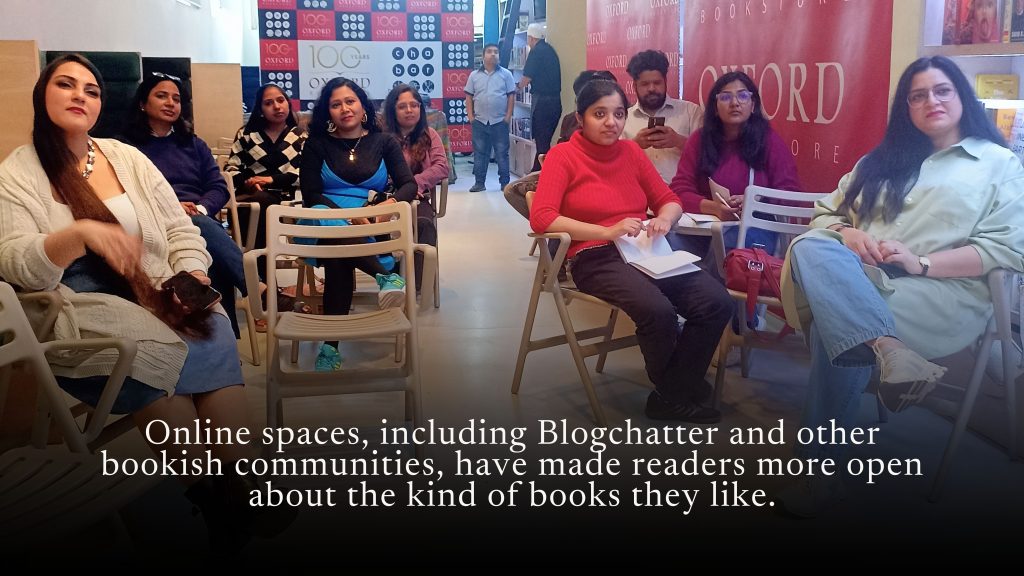
At the same time, these spaces are not free from performance. When reading becomes public, people become aware of how their taste looks. Reviews are not always neutral. Recommendations may be paid or part of barter collaborations. Some people avoid criticising popular authors because they do not want trouble. Some books keep getting recommended because they already sound intellectual online, not necessarily because they are the right fit for that reader.
That just means readers need to be more alert. A glowing review is not always useful. And popular recommendation is not always personal. A “must-read” list may have more to do with trends than with your actual reading life.
Reading Goals Should Not Turn Books Into Homework
Then there is the pressure to finish books quickly 😛
Reading goals can be fun. They can help people return to reading after a long gap. They can make the habit feel active and rewarding. But the moment the number becomes more important than the experience, reading starts behaving like another productivity task.
In the chat, readers spoke about guilt around slow reading, pressure to post reviews quickly, and the way social media keeps adding to everyone’s TBR list.
Some said they now do not finish books when the book is not calling them back, and that actually feels like a useful reading skill. Why? Because sometimes it is simply a reader knowing their time, mood, and attention better. Some books need patience. Some books need the right phase of life. Some books are just not worth pushing through.
Reading fast is fine if that is how someone reads. Reading slowly is fine too. The problem begins when speed becomes a badge and slowness starts feeling like something to apologise for.
Maybe…We Should Just Let Reading Be Personal Again
What stood out from the chat was not that readers judge each other. We already know that. We have all either done it, faced it, or politely pretended not to notice it.
What is worth mentioning is that reading has casually collected rules around it. The book should be serious enough. The format should count. The review should sound balanced. The reading goal should look decent. The unread classic should come with a guilty explanation. Even a comfort read somehow needs a defence.
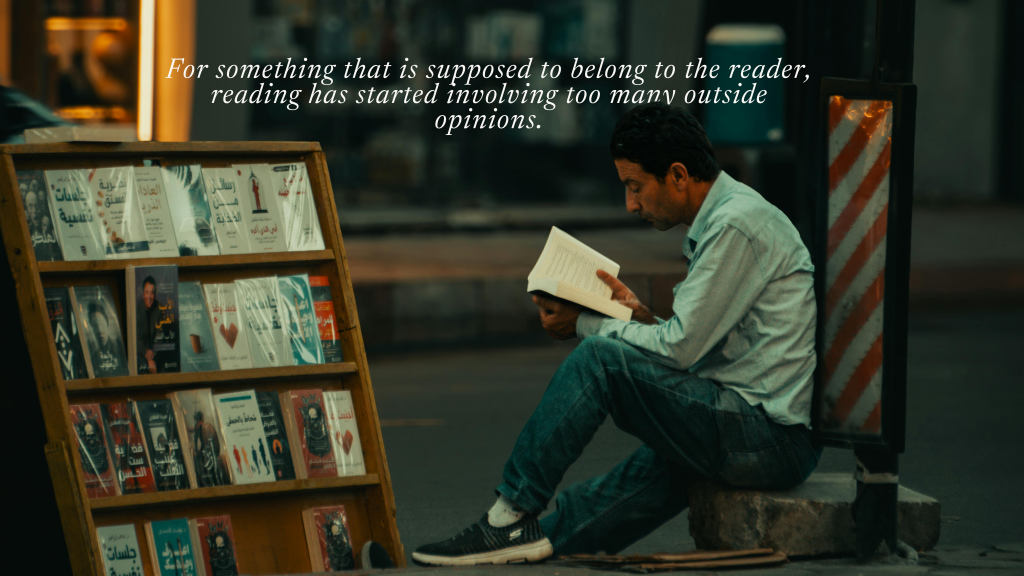
Maybe that is what we need to question more.
Reading does not need to be purified, ranked, or audited all the time. A reader’s taste can be messy, mixed, emotional, practical, nostalgic, trendy, private, and still completely valid.
The best reading life is not the one that looks most impressive online. It is the one a reader can actually keep returning to without feeling watched.
Join our community WhatsApp group to be part of more such engaging discussions.