

This Is Where the Serpent Lives by Daniyal Mueenuddin: Of Power and Betrayal
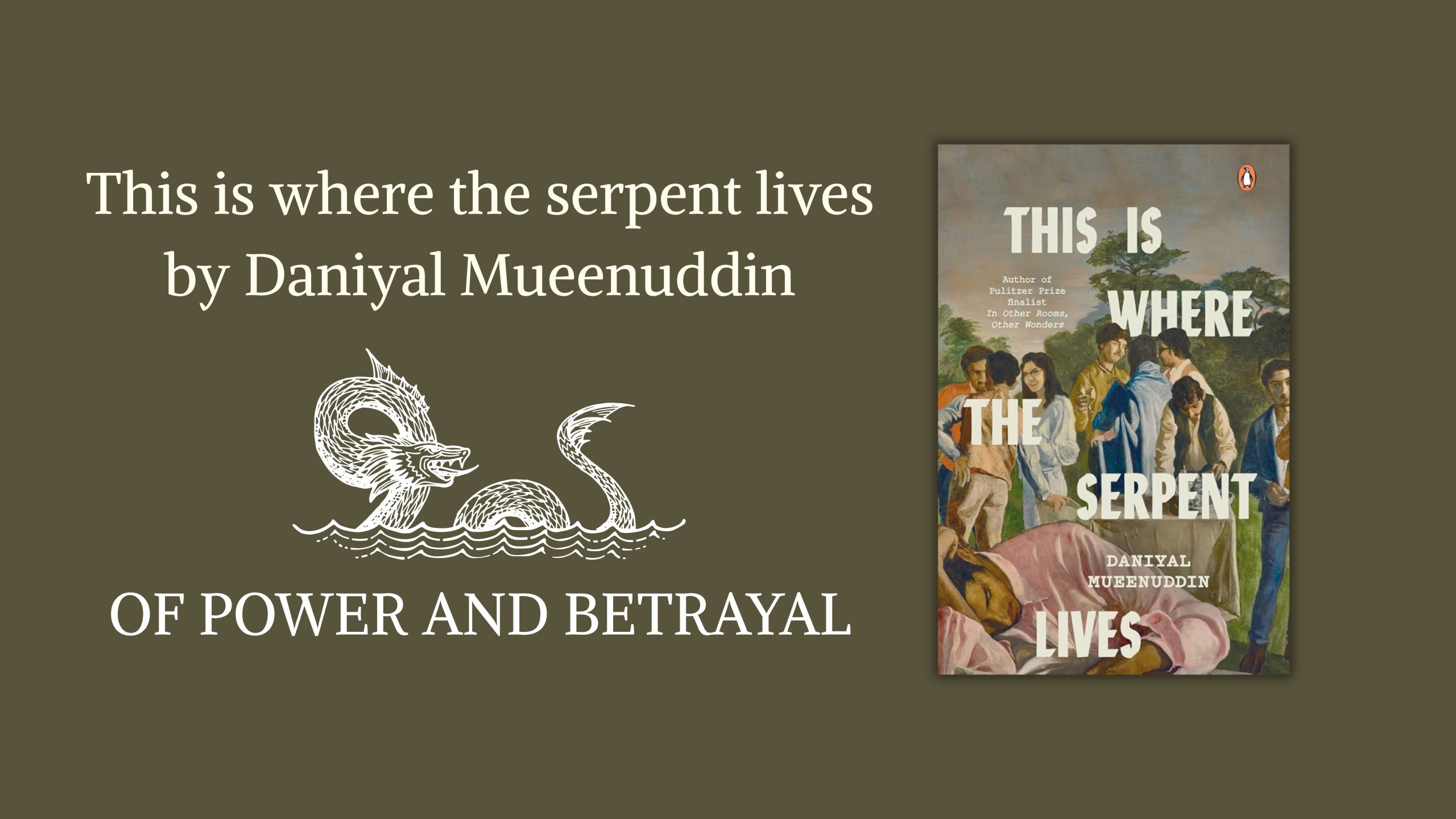
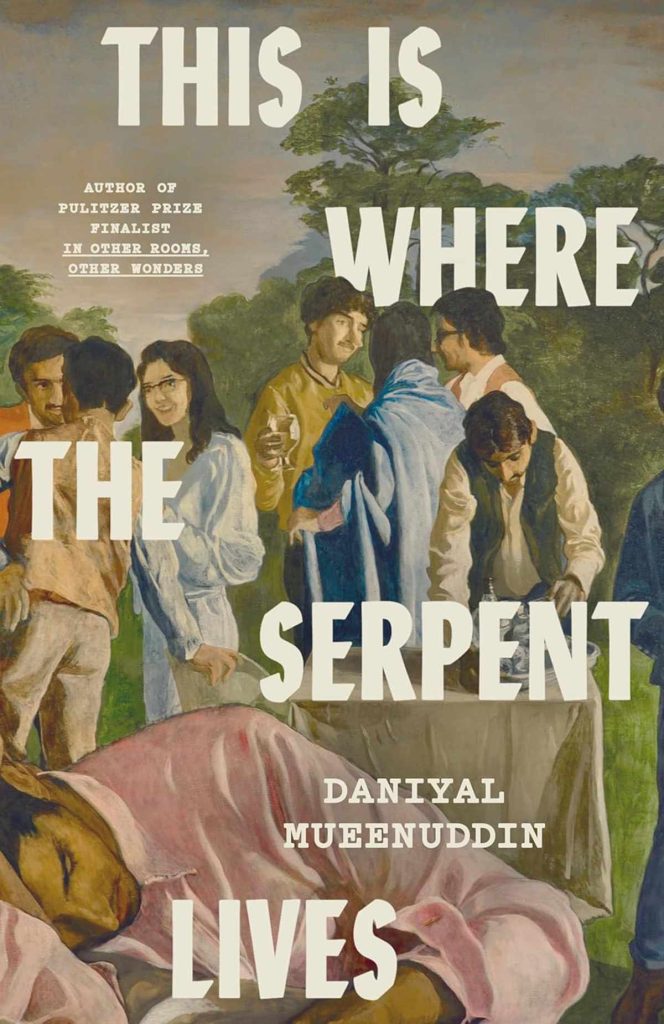
Daniyal Mueenuddin’s This Is Where the Serpent Lives unfolds like a quiet reckoning, with four interconnected stories that map the fragile, often unforgiving terrain of class and power in rural Pakistan. Each narrative introduces a new protagonist, yet they are bound by invisible threads of hierarchy, ambition, and consequence, culminating in a final movement where everything converges with unsettling clarity.
Four Interconnected Stories
The opening story introduces Bayazid, “the one with magic,” a child discovered under uncertain circumstances by Karim, a tea seller. Whether abandoned or lost, Yazid’s origins remain ambiguous, but his trajectory is anything but. Industrious and perceptive, he transcends the limitations of his socio-economic position, building relationships that stretch beyond his prescribed world. Yet, this very defiance becomes his undoing. His attraction to Yasmin, his friend Zain’s sister, marks him as transgressive, a figure who dares to breach the invisible but rigid boundaries of caste and class. Here, the “serpent” emerges not as inherent malice, but as a label imposed on those who refuse to remain in their assigned place. The story closes with a sense of inevitability: aspiration, when mismatched with social standing, becomes a kind of trespass.
The second story shifts focus to Rustom, the foreign-returned son, armed with ideals of socialism and justice. His inheritance, which is a sprawling estate in rural Punjab, quickly becomes a crucible where theory collides with reality. Rustom encounters a world governed not by principle but by patronage, corruption, and quiet violence. His attempt to navigate this system leads him into compromises that unravel his moral framework. The munshi, an unassuming yet calculating figure, embodies another iteration of the serpent, one who thrives within the system, subtly extracting power and profit. Rustom’s downfall is not dramatic but insidious, shaped by forces he neither fully understands nor controls.
From Rustom’s world, the narrative opens into the lives of Hisham and his wife Shehnaz, figures who epitomize feudal authority. Their existence is defined by influence, wealth, and an intricate web of connections. Yet beneath this veneer lies a deeply personal betrayal: Hisham’s deception of his brother, his marriage to his brother’s beloved, and the guilt that festers quietly over time. In this story, power does not absolve, rather it corrodes. The serpent here is internal, coiled within memory and conscience, a reminder that even those at the top of the hierarchy are not immune to moral decay.
The final story draws these threads together through Saqib, a boy raised within the orbit of privilege in Colonel Atar and Hisham’s household. Intelligent and observant, Saqib understands the rules of the world he inhabits, and more importantly, how to bend them. His ambition is not reckless but calculated; he seeks to rise above his station using the very tools he has learned from his environment. Yet when he crosses an unspoken boundary, the consequences are swift and unforgiving. The irony is stark: the same actions that might be overlooked, in someone of higher status become punishable offenses in him. Responsibility, the novel suggests, is not an absolute but a privilege afforded selectively.
Mueenuddin’s strength lies in his ability to render a vast social landscape through intimate, deeply human moments. His characters are not mere representatives of class positions; they are textured, contradictory, and achingly real. A gesture, a glance, a fleeting decision, these small details linger, revealing the devastating and sensitively portayed impact of his language.
How the Serpent Shows Up
At its core, This Is Where the Serpent Lives is not simply about individuals but about the systems that shape them. It is a study of how caste, class, and economic standing dictate not only opportunity but also morality, who is allowed to desire, to fail, to transgress, and to be forgiven. The “serpent” is not a singular figure but a shifting presence, inhabiting different forms across the stories: ambition, betrayal, survival, guilt.
About the Author
Daniyal Mueenuddin is a Pakistani-American author who writes in English. His short story collection In Other Rooms, Other Wonders, has been translated into sixteen languages, and won The Story Prize, the Commonwealth Writers’ Prize and other honors and critical acclaim.