From Barbenheimer to Dunesday: Can Hollywood Recreate an Internet Phenomenon?
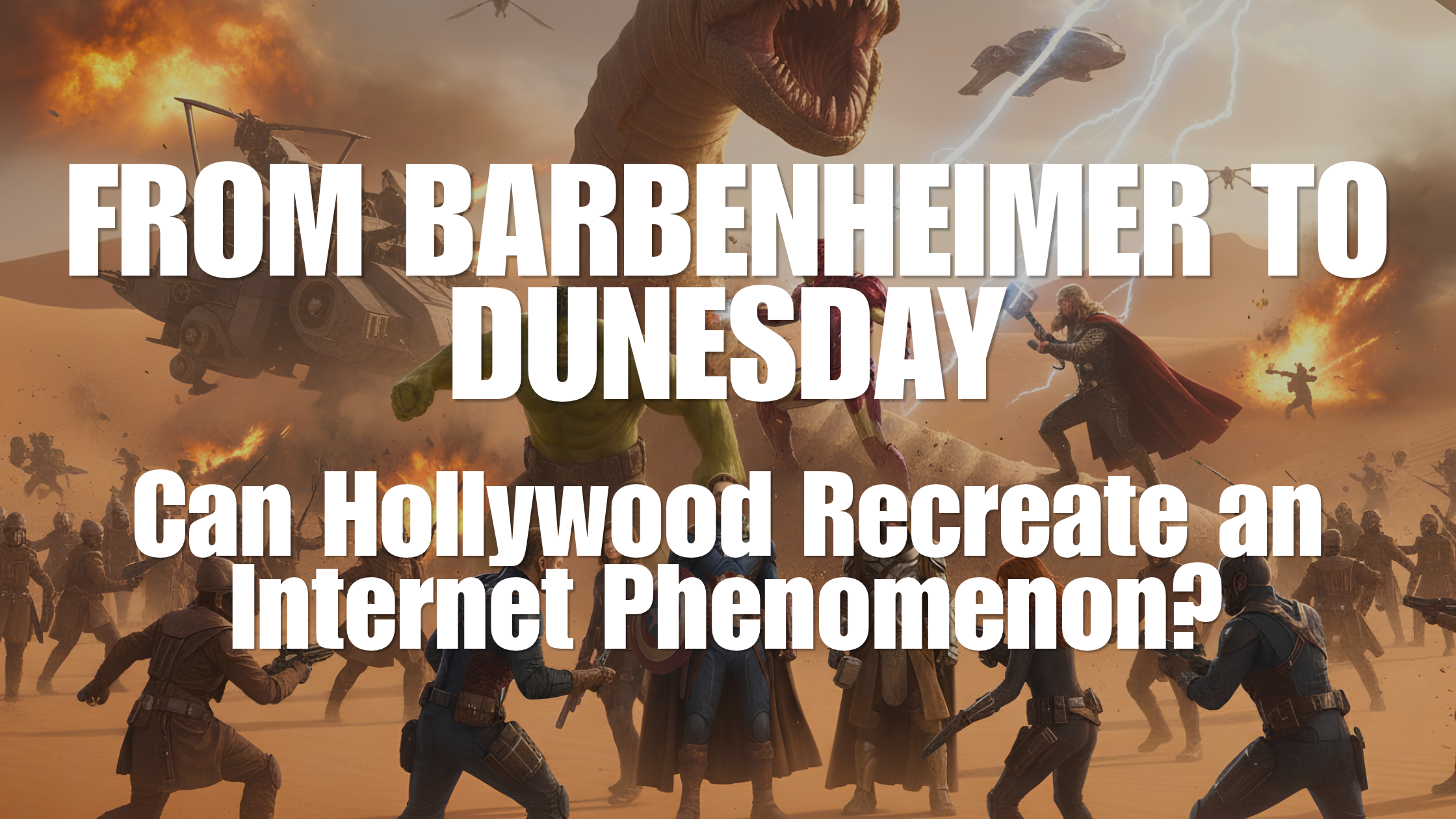
In January 2026, during a discussion about Marty Supreme, Robert Downey Jr. and Timothée Chalamet brought up an interesting coincidence. Their respective films, Avengers: Doomsday and Dune: Part Three, were scheduled to release on the same day. Downey Jr. even suggested a name for the occasion: Dunesday.
With both films arriving in cinemas in December, comparisons with Barbenheimer were inevitable. But can Hollywood recreate something that happened so spontaneously on the internet three years ago?
When two competing films became a shared experience
On 21 July 2023, Greta Gerwig’s Barbie and Christopher Nolan’s Oppenheimer arrived in cinemas. The contrast between a pink world populated by dolls and a historical drama about the development of the atomic bomb gave the internet plenty to work with.
People created crossover posters, planned themed outfits and debated which film to watch first. In the days leading up to the release, over 40,000 moviegoers had purchased tickets to watch both films on the same day at AMC Theatres alone.
The two releases were an example of counterprogramming, a strategy where films with different audience appeal are released around the same time. Interestingly, audiences ended up embracing both.
Watching the films together became a social occasion, even for people who might not ordinarily have been interested in one of them.
When fans do the marketing
Film studios spend considerable amounts on trailers, advertising, promotional tours and celebrity appearances. During Barbenheimer, however, some of the most entertaining publicity came from ordinary social media users.
A funny meme could introduce someone to a film they had no intention of watching. An Instagram post about someone’s double-feature plans could inspire an entire group of friends to book tickets.
The studios benefited from thousands of people creating and circulating content without being commissioned to do so.
With Dunesday, Hollywood already knows the potential of such audience participation. The fact that two leading actors publicly embraced the idea months before their films’ release shows how readily celebrities can participate in building anticipation around a box office clash.
Does Dunesday need to be another Barbenheimer?
Unlike Barbie and Oppenheimer, both Avengers: Doomsday and Dune: Part Three belong to established cinematic franchises with dedicated fandoms.
Marvel fans have spent months discussing the return of Robert Downey Jr. as Doctor Doom and the inclusion of characters from earlier X-Men films. Dune fans, meanwhile, are anticipating the next chapter of Denis Villeneuve’s adaptation of Frank Herbert’s novels.
There could also be considerable overlap between these audiences, giving Dunesday a different dynamic from Barbenheimer.
We have seen brands attempt to recreate viral advertisements, popular memes and successful social media campaigns. Yet, repeating the formula rarely guarantees the same response. Much of Barbenheimer’s charm came from how unexpectedly people embraced the pairing.
Perhaps Dunesday doesn’t need to follow that formula at all. Its fandoms have years of cinematic history, character theories and inside jokes to draw from.
Hollywood can encourage the conversation, but audiences will ultimately decide what Dunesday becomes. And that might be something the studios haven’t imagined yet.
Would you make a weekend out of watching both films?