

Women in STEM History Left in the Footnotes: Why Recognition Came Too Late
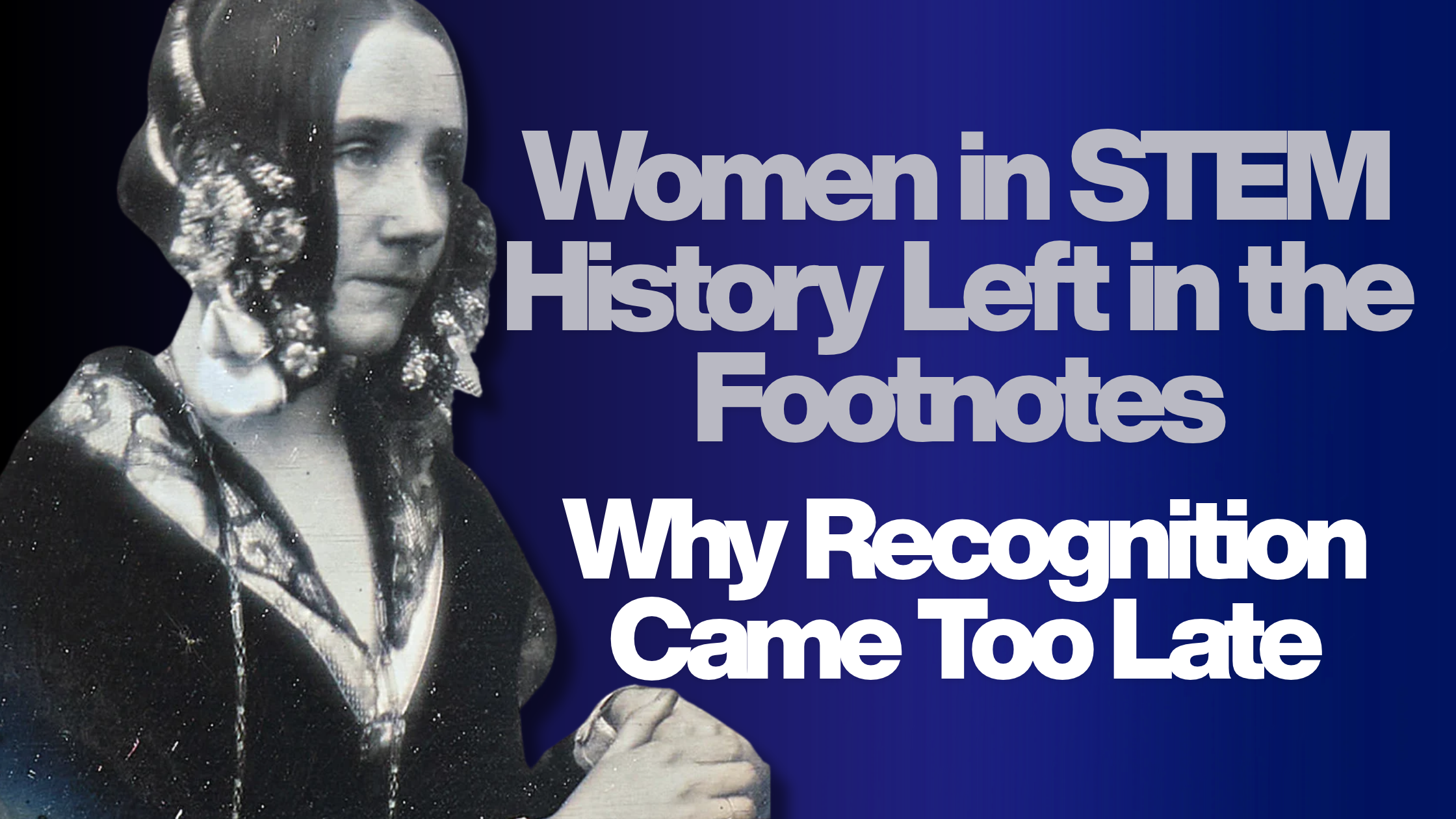
Ask who wrote the first computer program and most people may struggle to name anyone. One of the most widely accepted answers is Ada Lovelace, who wrote an algorithm for Charles Babbage’s Analytical Engine in the 1840s, long before the modern computer existed. Her story is also part of a much larger history of women in STEM whose work was recognised years, sometimes decades, after it deserved to be.
Who was Ada Lovelace?
Ada was the child of poet Lord Byron but never knew him well. Her parents separated when she was only a few weeks old, and Byron permanently left England. Her mother, worried that Ada might inherit her father’s unpredictable temperament, pushed her towards mathematics and science instead of poetry.
It worked, though perhaps not quite the way her mother planned.
Ada became a gifted mathematician, studied with some of the best tutors available to her and became friends with scientist Mary Somerville. As a teenager, she met Charles Babbage, who was designing a huge calculating machine called the Analytical Engine.
Some years later, Ada translated a paper about the machine from French into English. She then added her own notes, which grew to almost three times the length of the original paper.
Inside those notes was an algorithm showing how the machine could calculate Bernoulli numbers. It is widely regarded as the first published computer program, although historians still debate exactly how much of the work should be credited to Ada and how much came from her collaboration with Babbage.
What made her thinking unusual was that she saw the machine as more than a calculator. Ada imagined that if things such as music or language could be represented using symbols, machines might one day be able to work with them too.
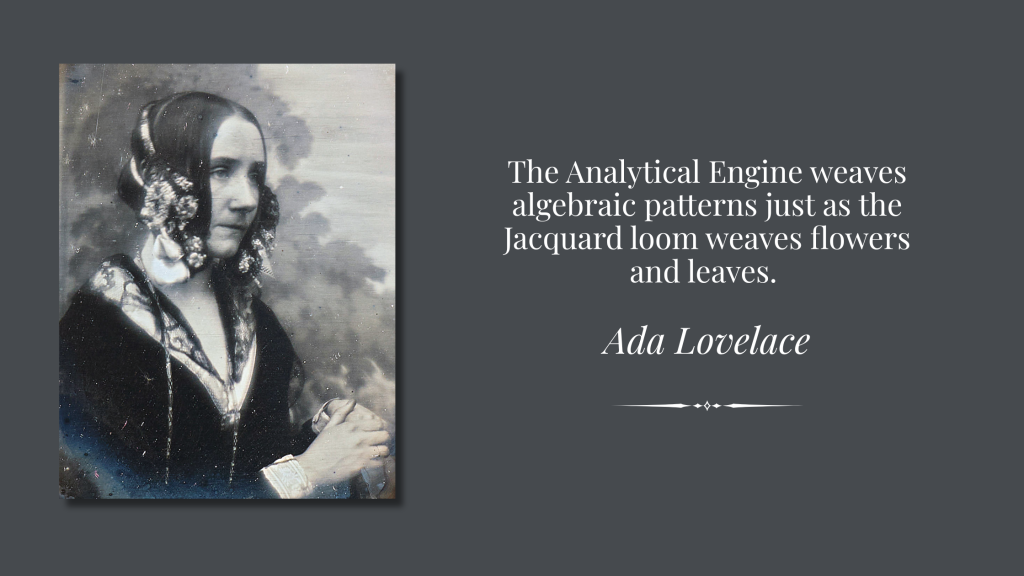
Ada died of cancer at 36. Her notes attracted little attention for decades and were republished much later, as interest in computing began to grow. Today, a programming language carries her name, while Ada Lovelace Day celebrates the achievements of women in STEM across science, technology, engineering and mathematics.
But Ada’s story is part of a much larger pattern.
Why did women in STEM receive less credit?
Historian Margaret Rossiter gave this pattern a name: the Matilda Effect. It describes the tendency for the work of women scientists to receive less recognition, or for credit to go instead to male colleagues, supervisors or collaborators.
Ada’s story is old, but the pattern appears repeatedly across scientific history.
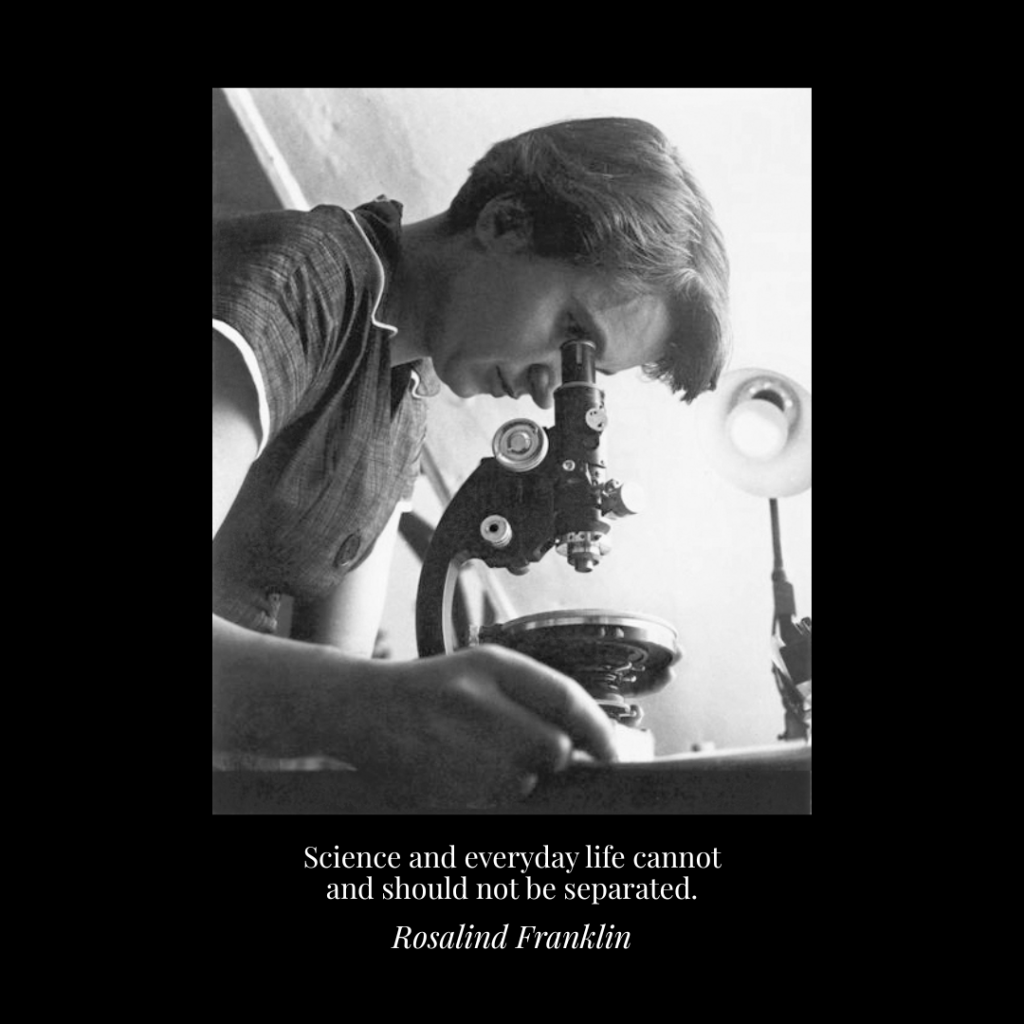
Rosalind Franklin produced crucial X-ray diffraction images that helped scientists understand the structure of DNA. She died in 1958. Four years later, the Nobel Prize for the discovery went to James Watson, Francis Crick and Maurice Wilkins.
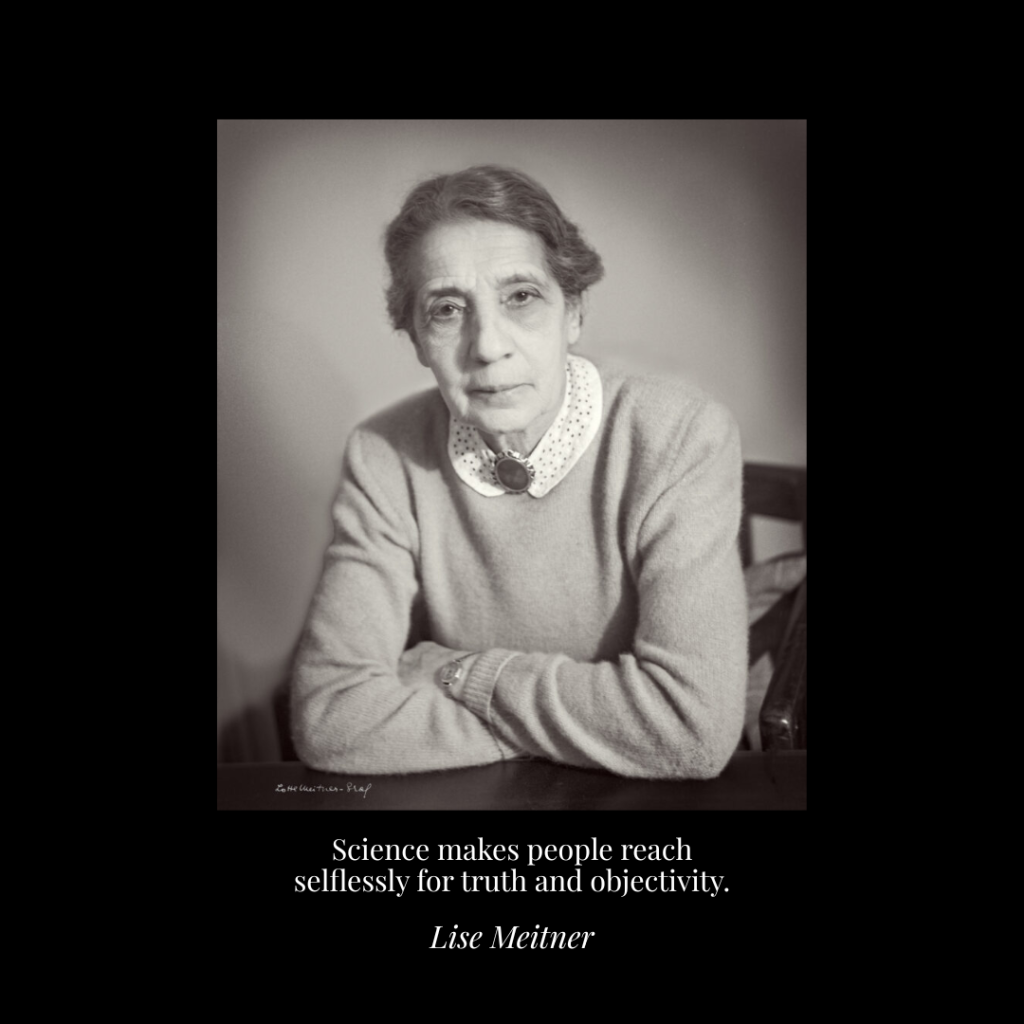
Lise Meitner played an important role in explaining nuclear fission after decades of work with chemist Otto Hahn. Hahn received the 1944 Nobel Prize in Chemistry alone.
Neither woman was unknown in her own field. But the scale of their contributions became far more widely discussed only later.
Indian women in STEM who deserve to be remembered
India has its own history of women in STEM doing important scientific work while remaining far less familiar to the public than many of their male contemporaries.
Dr Bibha Chowdhuri was one of India’s earliest women physicists working in high-energy physics and cosmic rays. She conducted important research with D. M. Bose and later worked with Nobel laureate Patrick Blackett in Manchester. Her work remained relatively little known outside scientific circles for decades. Years after her death, a star was named Bibha in her honour.
Asima Chatterjee became the first Indian woman to receive a Doctor of Science degree from an Indian university. Her research focused heavily on medicinal chemistry and compounds derived from plants, including work related to anti-malarial, anti-epileptic and anti-cancer properties.
Anna Mani, often remembered as the Weather Woman of India, began her career in physics and worked under C. V. Raman. She later became an important figure in Indian meteorology, helping develop and standardise instruments used to measure weather conditions, solar radiation and wind energy.
E. K. Janaki Ammal, a botanist and cytogeneticist from Kerala, worked extensively on plant genetics and sugarcane breeding. She earned a doctorate in botany from the University of Michigan at a time when very few Indian women were able to pursue advanced scientific research. She later received the Padma Shri for her contribution to science.
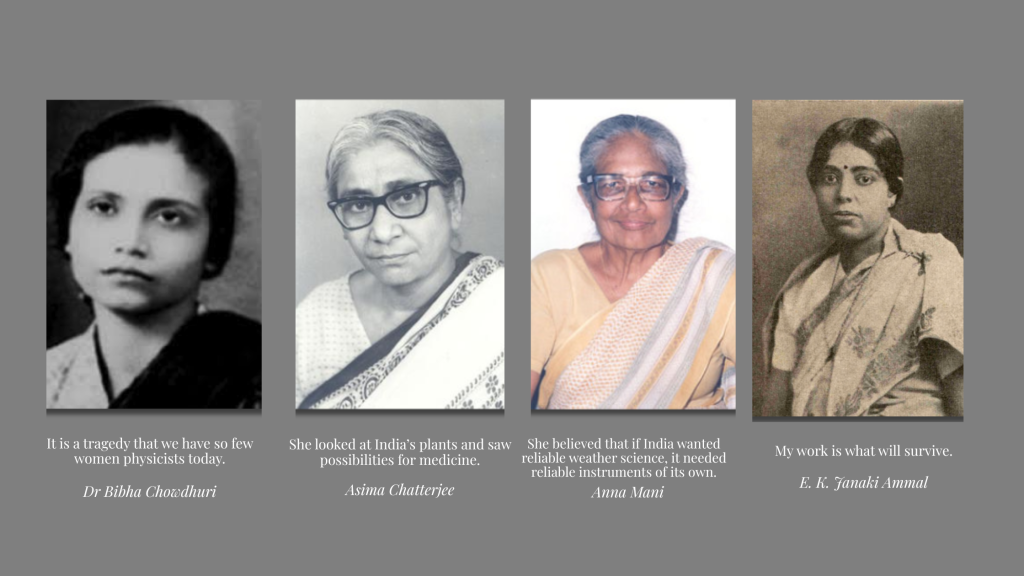
These women were not absent from science. They were working, publishing, researching and contributing. What often came much later was widespread recognition.
Why are women in STEM often recognised too late?
There is rarely one reason.
For generations, women had fewer opportunities to enter universities, laboratories and scientific institutions in the first place. Even when they did, senior positions, awards and public recognition were far more likely to go to men.
Sometimes a woman’s contribution was overshadowed by a more famous colleague. Sometimes her work was recorded but rarely discussed outside specialist circles. Sometimes her name simply disappeared from the version of history most people grew up learning.
That is why the Matilda Effect still feels relevant when we talk about women in STEM today.
It asks us to look beyond the names already printed in textbooks and ask who else was in the room, doing the work.
Ada Lovelace is no longer a forgotten name. Rosalind Franklin is now widely discussed when we talk about DNA. Scientists such as Bibha Chowdhuri, Anna Mani and Janaki Ammal are slowly becoming better known too.
But recognition should not require rediscovery decades later.
The more important question is which women in STEM are doing important work today whose names we still aren’t learning?