

How Taylor Swift turns a dead girl trope into a survival story- The Fate of Ophelia
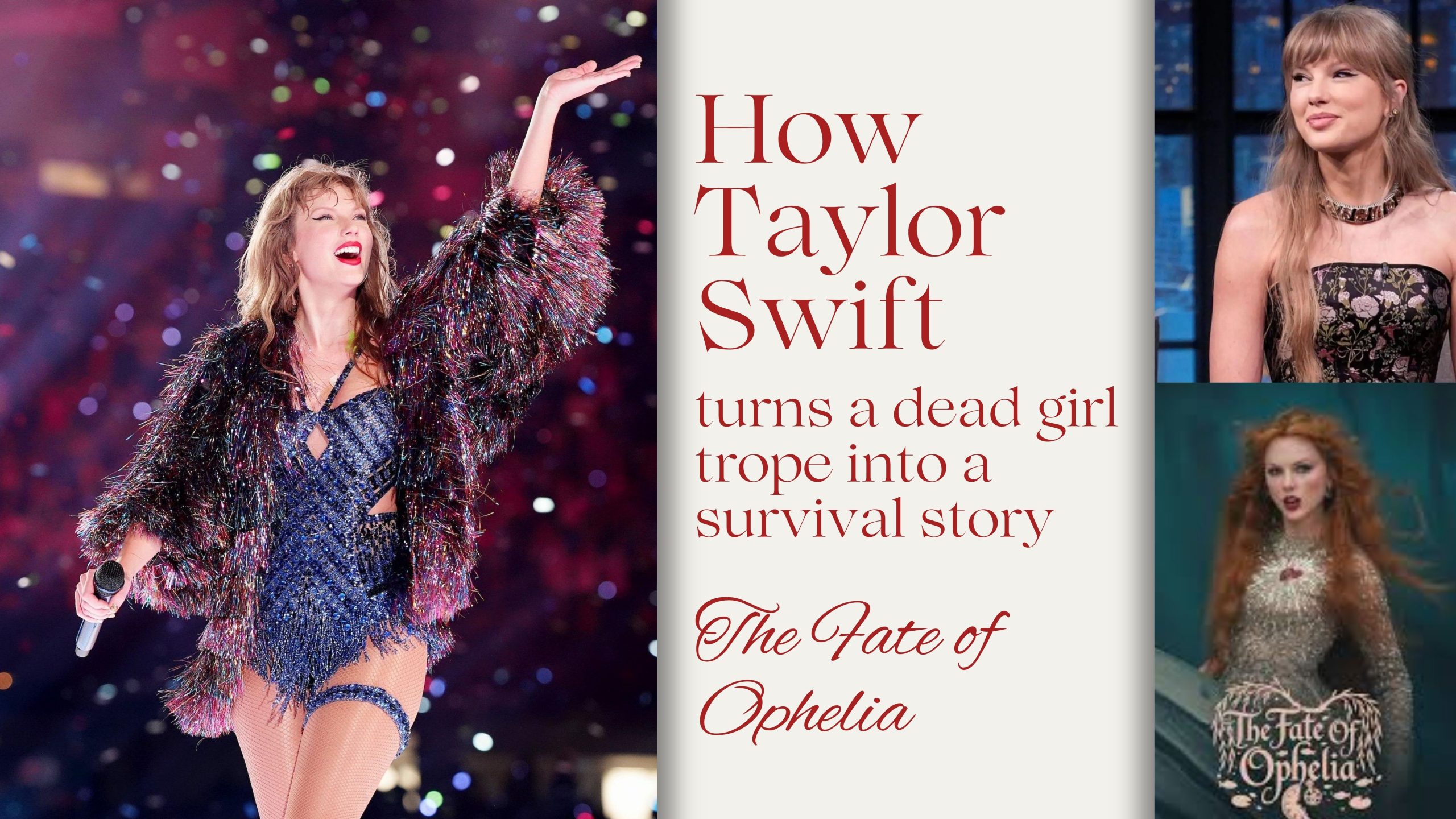
We have met Ophelia before.
In Hamlet, she is the girl who unravels under grief, gets called “mad” and ends up in the water. In art and culture, she becomes an image more than a person, floating among flowers, pretty but very doomed.
She is the prototype of the “dead girl” whose suffering makes everyone else’s story gain meaning.
Now we have Taylor Swift singing The Fate Of Ophelia, and suddenly this old ghost is back on our feeds.
From “mad” girl to overwhelmed woman
In Shakespeare, Ophelia’s inner life is mostly filtered through the men around her. We rarely get language for what she is actually going through.
Taylor’s Ophelia space feels familiar but more precise. The song circles around things like being watched and judged, drowning in sadness, pressure and not being able to carry it all alone.
That is a very different frame from “she went crazy for love”.
When we describe a woman as overwhelmed, grieving, burnt out or traumatised, we are not romanticising her collapse. We are naming the weather around her. We are saying this is what happened to her, rather than treating her pain like a mysterious personality quirk.
That small change in language is the first step away from the dead girl trope.
It also fits a pattern in Swift’s work. She has gone back to Shakespeare before with Love Story, keeping the romance of Romeo and Juliet but rewriting the tomb into a happy ending. In The Fate Of Ophelia she does something similar on a visual level as well. The music video recreates famous pictures of ruined women, from pre Raphaelite paintings of Ophelia to John William Waterhouse’s The Lady of Shalott, complete with boat, flowers and flowing hair. In the original texts and canvases, these women are frozen at the edge of death, their misery turned into something beautiful to look at.
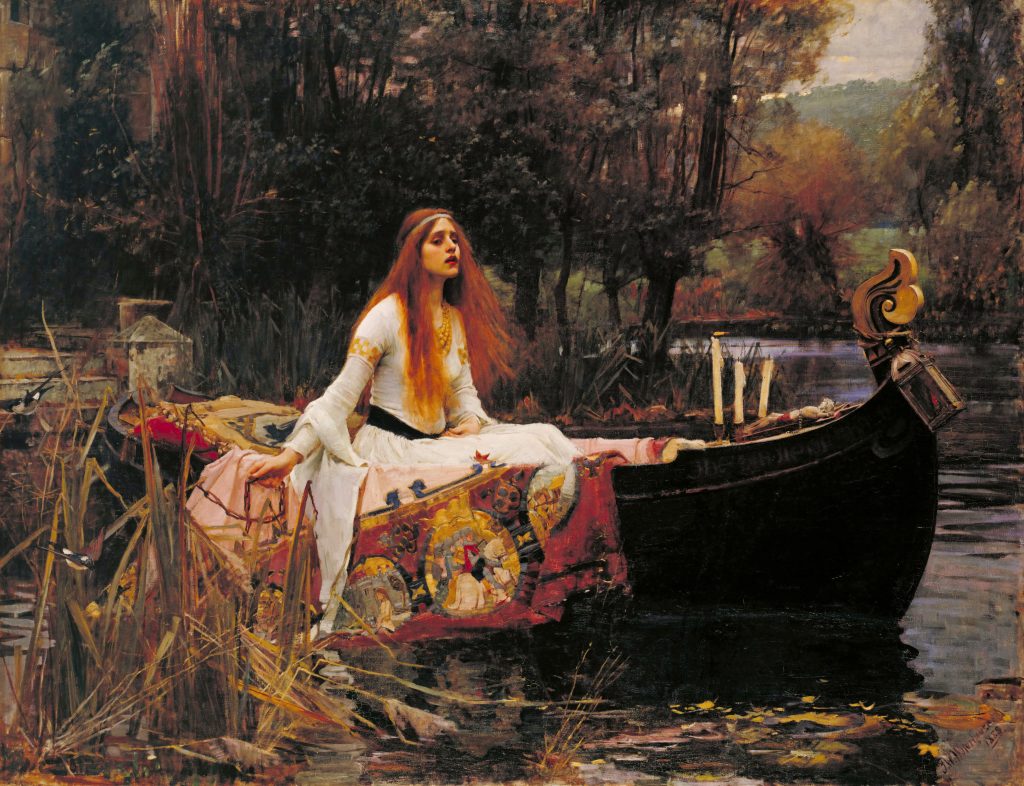
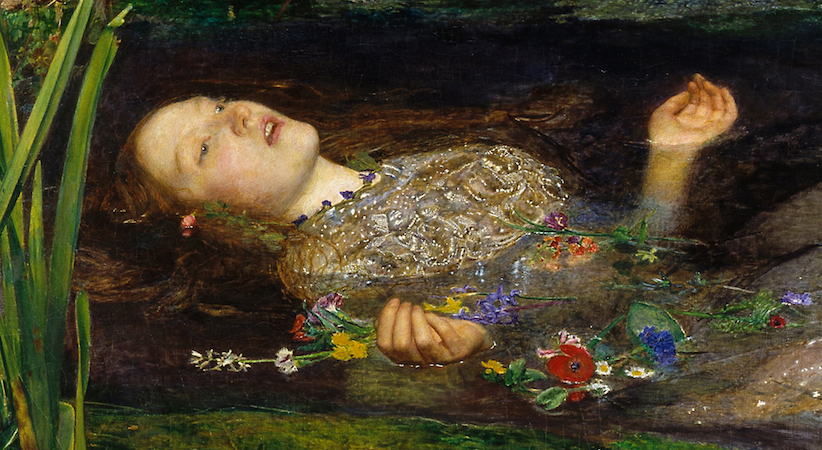
Swift keeps the aesthetics, the gowns, the water, the frames, but lets the woman in the picture climb out, look back at us, and live! It is a reminder that pop culture can inherit these romanticised images of female suffering and still choose to change the story attached to them.


The dead girl trope vs a survival arc
In the original play, Ophelia’s death mainly services other people’s emotions. Her drowning intensifies Hamlet’s guilt and Laertes’ rage. She becomes useful only after she is gone. (angry eye roll at this)
The song flips that. She is telling the story from after that worst night. The whole point is that this fate was possible and did not happen. A survival story says you can be fragile and still be here, you can reach a point of “almost” and still step back and your worst moment does not have to be your last chapter.
That feels closer to how many of us actually experience breakdowns. There is a bad season, there is a night that could have gone very wrong, and then there is the slow, boring, hopeful work of staying, of course correction, rebuilding and so on.
It is much harder to write than a dramatic death scene but it is the story people need more.
Love that steadies without saving the day
Older stories often treat romance as the problem. The love interest pulls the girl under, and passion is shown as chaos and tragedy. In The Fate Of Ophelia, it is the opposite. The relationship is not what harms her, it is one of the things that helps her hold on. That does not turn the song into “he rescued her and now everything is fixed”. It just shows that steady, loyal, basic care can make survival easier.
There is something very modern in saying that intense love does not have to be destructive to feel real. The risk and the drama are still there but so are boundaries, support systems and a sense that two people are on the same team.
Horatio walked so Taylor could sing
At the end of Hamlet, almost everyone is dead. One person remains with a task. Horatio will “tell (Hamlet’s) story”. The storyteller decides what survives.
In a way, Taylor is doing that job for Ophelia. She is reaching back in time, picking up a girl who was left in the water and asking, “What if we do not leave her there this time?”
When we curate content around struggles women go through, we get to choose whether we treat them as aesthetic tragedies or as people who lived, struggled, asked for help and made it through.
What this means for creators
If we take one thing from The Fate Of Ophelia, it could be this checklist:
- Describe the storm honestly instead of calling women “crazy”
- Let’s stop glamorising the chaotic water
- Let the story continue after that worst night
- Show relationships that reduce damage instead of adding to it
The fate of Ophelia no longer has to be a body in a river. It can be the version where she looked down, felt the pull, reached out, and stayed. And we are the ones who decide which version we keep telling.
Ok, now we’re going to get back to practicing that hook step while we sing at the top of our voice with Taylor.