
India’s Secret Chocolate Trail: The Cities Behind the Bean-to-Bar Boom
Did you know World Chocolate Day is celebrated every year on July 7, marking the day chocolate is believed to have first arrived in Europe in 1550? Kocoatrait is India’s 1st Sustainable, Zero-Waste Chocolate.
India’s chocolate map has some amazing cities and regions: Auroville for Mason & Co., widely known as India’s finest bean-to-bar chocolate brand; Tamil Nadu and Kerala, home to farm-to-bar makers like Paul and Mike and Soklet (tree to bar); Mysuru’s Naviluna, India’s first cold-processed bean-to-bar house; Anand in Gujarat, home to the Amul chocolate factory; and Ooty, which hosts India’s first dedicated chocolate museum.
The backbone of India’s chocolate story is its cocoa-growing belt – Kerala’s Idukki hills, Karnataka’s Coorg and Chikmagalur estates, Tamil Nadu’s Pollachi region, and Andhra Pradesh’s Godavari belt — where Indian cacao is grown, not just processed.
Which Indian city actually started the bean-to-bar movement?
It has to be Auroville in Tamil Nadu. Mason & Co, founded there by Fabien Bontems and Jane Mason, is widely regarded as India’s bean-to-bar brand.
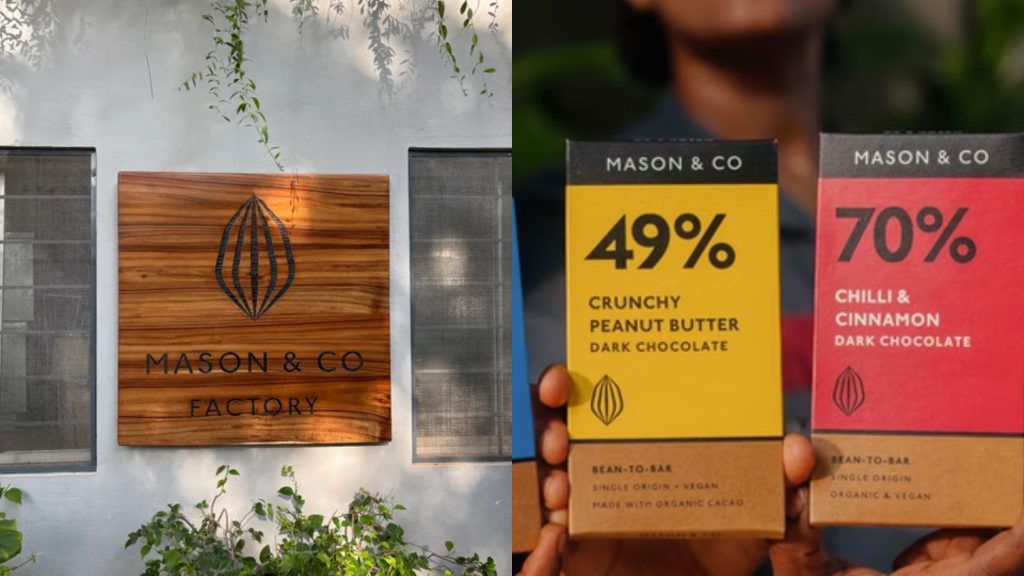
It is built around an all-female, highly skilled local team. They are trained in the full chocolate-making process. The cacao comes from a single-origin certified farm and undergoes sorting, roasting, cracking, winnowing, grinding, tempering, moulding, and packaging.
Auroville’s start matters: small-batch processing, one-origin sourcing, and flavour built around Indian zones rather than imported cocoa.
Where does India’s actual cocoa come from?
India grows its own cacao, and it comes from our four states. Cacao is mostly cultivated in Tamil Nadu, Kerala, Andhra Pradesh, and Karnataka.
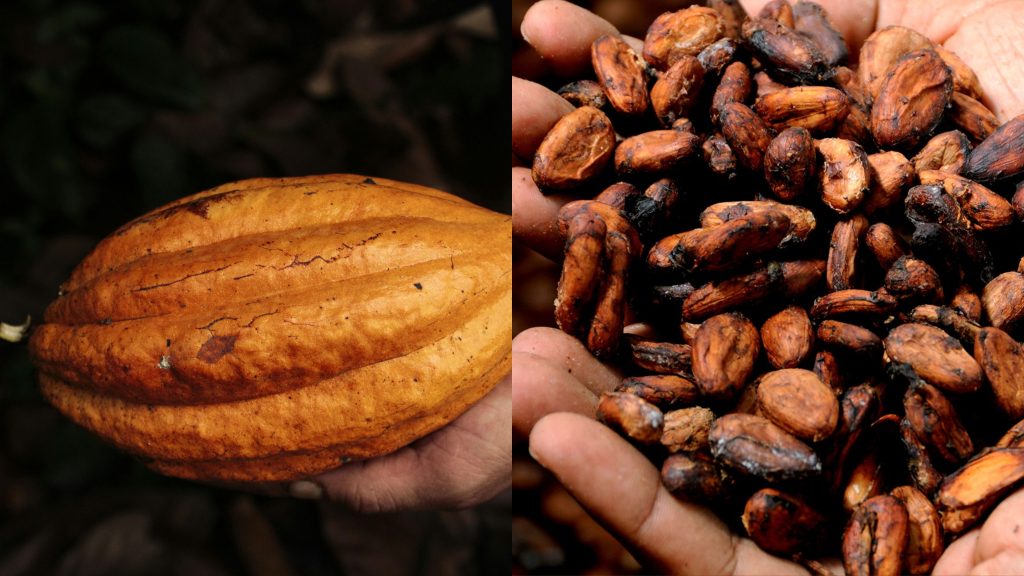
These areas also grow banana, coconut, and areca nut, and the final beans have a distinct flavour that chocolatiers often describe as flavour incorporation. Most brands work directly with farmers in places like the Idukki Hills or the Godavari region to improve post-harvest handling and explore different flavour profiles.
What Makes Indian Craft Chocolate Different From Imported Bars?
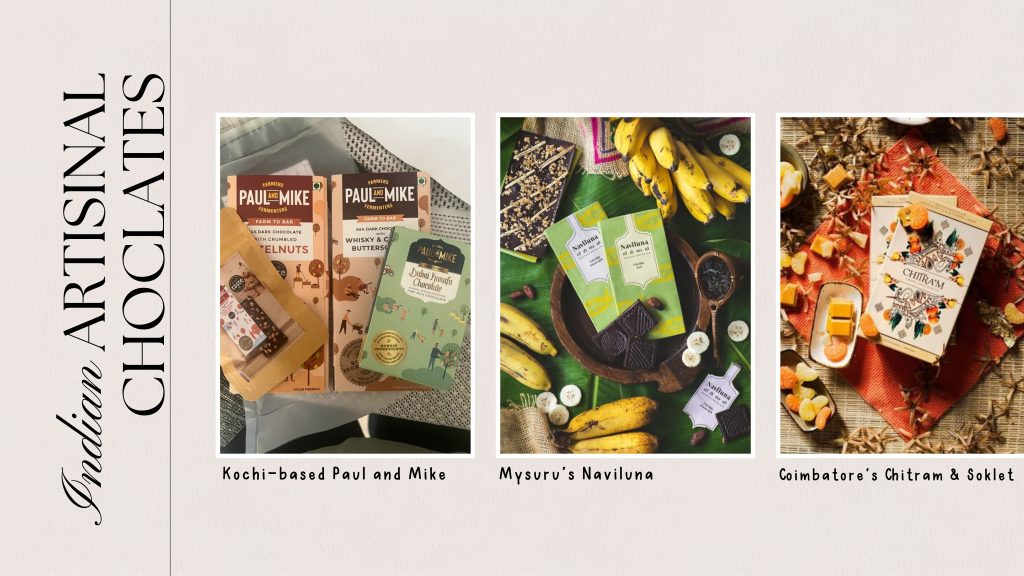
Flavour is where India’s chocolate cities stand out. We are not mimicking European chocolates. Most bean-to-bar brands have explored unique flavours like mango, tamarind, filter coffee, sesame, lemon, and black pepper. International brands focus on common chocolate flavours. Kochi-based Paul and Mike, Mysuru’s Naviluna, and Coimbatore’s Chitram & Soklet have immense fame in their regions and worldwide. These are rooted in regional flavour combinations rather than in importing Swiss chocolates.
Our philosophy is reflected in our packaging and sustainability choices, such as Kocoatrait, the world’s and India’s 1st Sustainable Luxury Zero-Waste and Single-Origin bean-to-bar chocolate brand. The brand is the brainchild of L Nitin Chordia, India’s 1st Certified Chocolate Taster and co-founder of Kocoatrait, and Poonam Chordia, India’s 1st certified female chocolate taster.
Where Should You Start If You Want to Explore India’s Chocolate Map?
If you are a chocophile or planning a sweet chocolate trail across India, this is a helpful starting-point guide.
- Start with Auroville: a factory tour of the bean-to-bar concept.
- Try Coimbatore/Kochi-based brands – Paul and Mike, Soklet, and Chitram. Look for single-origin chocolates.
- Visit the Chocolate Museum – India’s very own 1st chocolate museum.
India’s chocolate story is not competing with Switzerland or Belgium. It is about these uniquely distinctive cities and regions proving that Indian cacao, grown in Indian soil and flavoured with local ingredients, holds its own category and fanbase, rather than being a copy.