
The Future of Health Is Preventive: What Abbott Creator Day Showed About Healthcare Innovation
For the longest time, healthcare has been understood through one familiar cycle. Something goes wrong, symptoms appear, tests are done, treatment begins, and life adjusts around it.
But that idea of health is changing.
The future of health is becoming more preventive than reactive. It is no longer only about responding to illness after it happens. It is also about early awareness, timely monitoring and everyday choices that help people understand their health before things reach a crisis point.
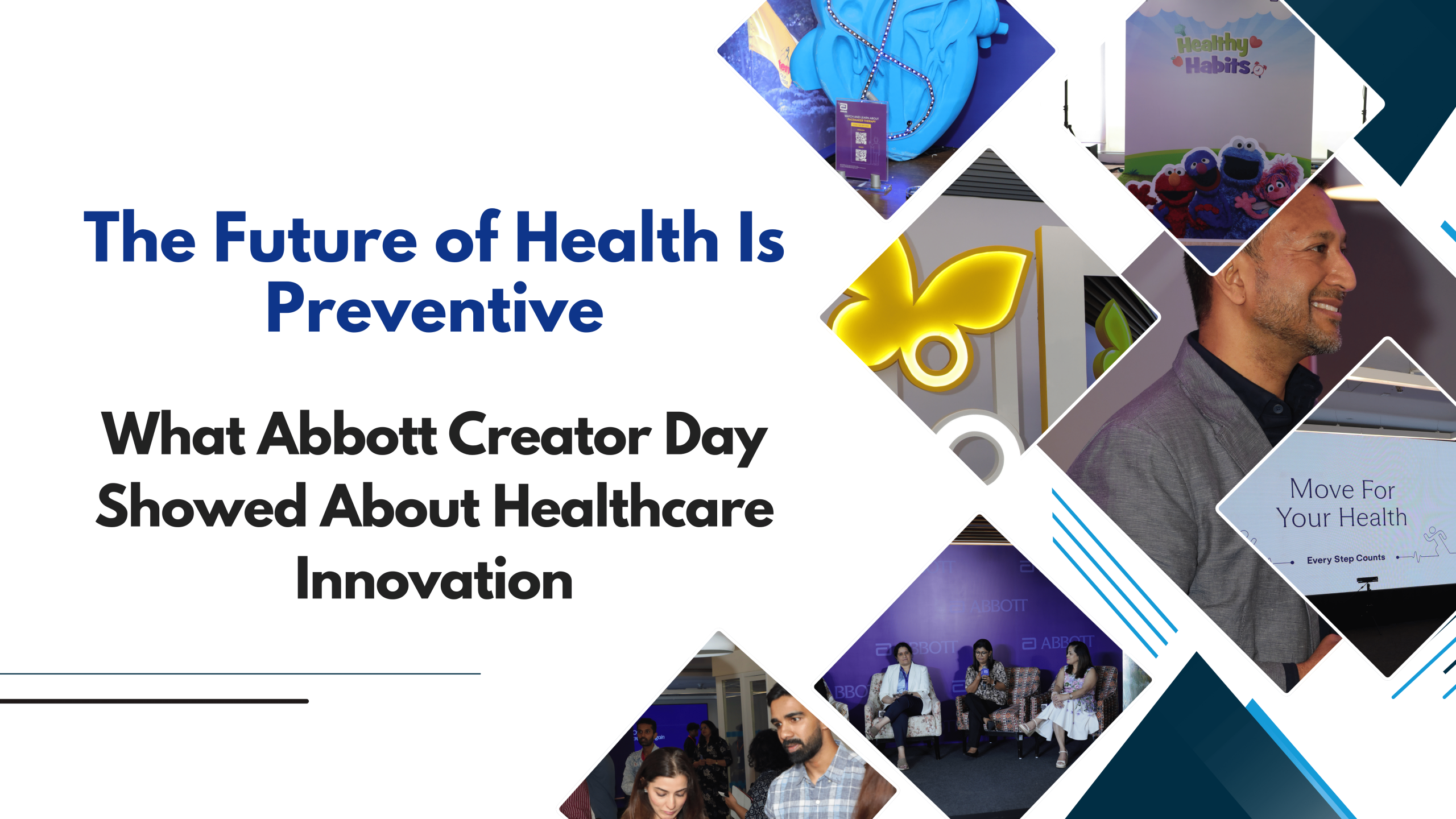
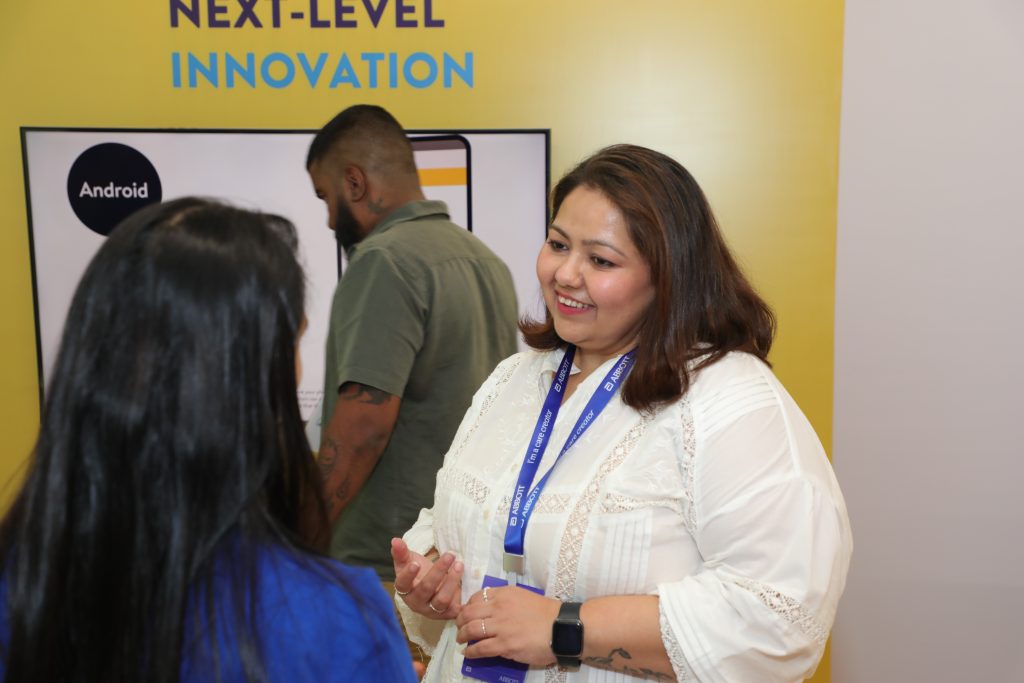
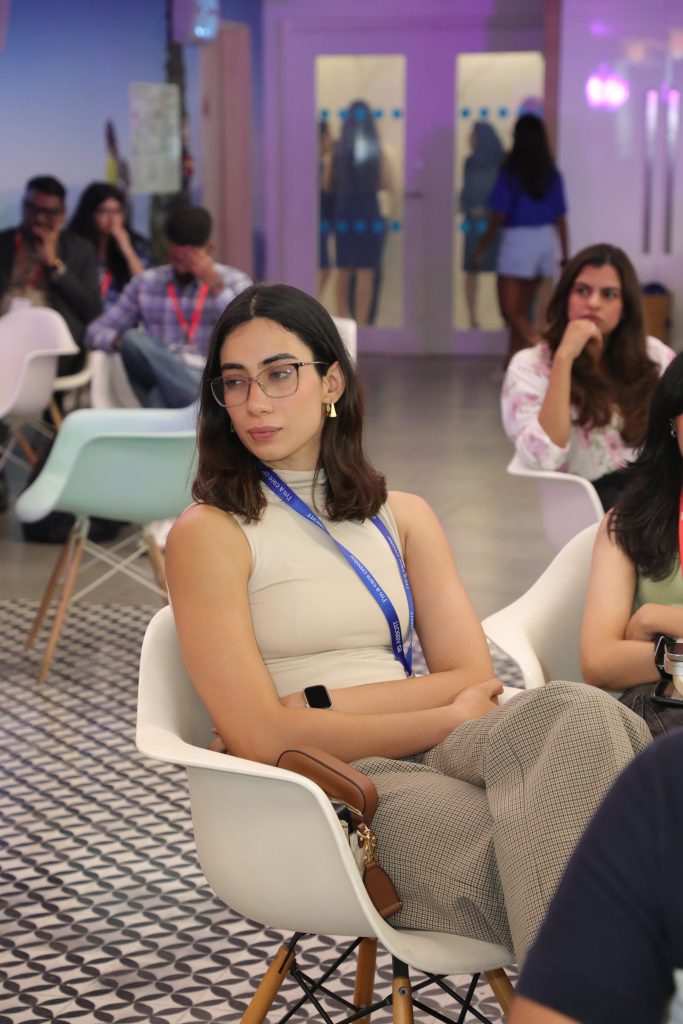
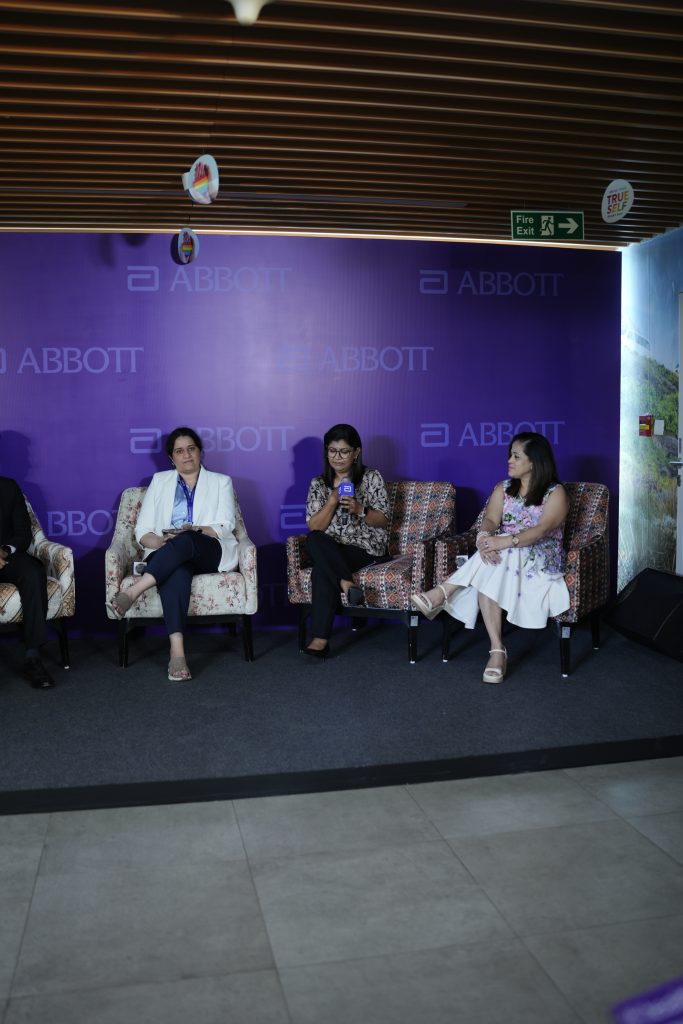
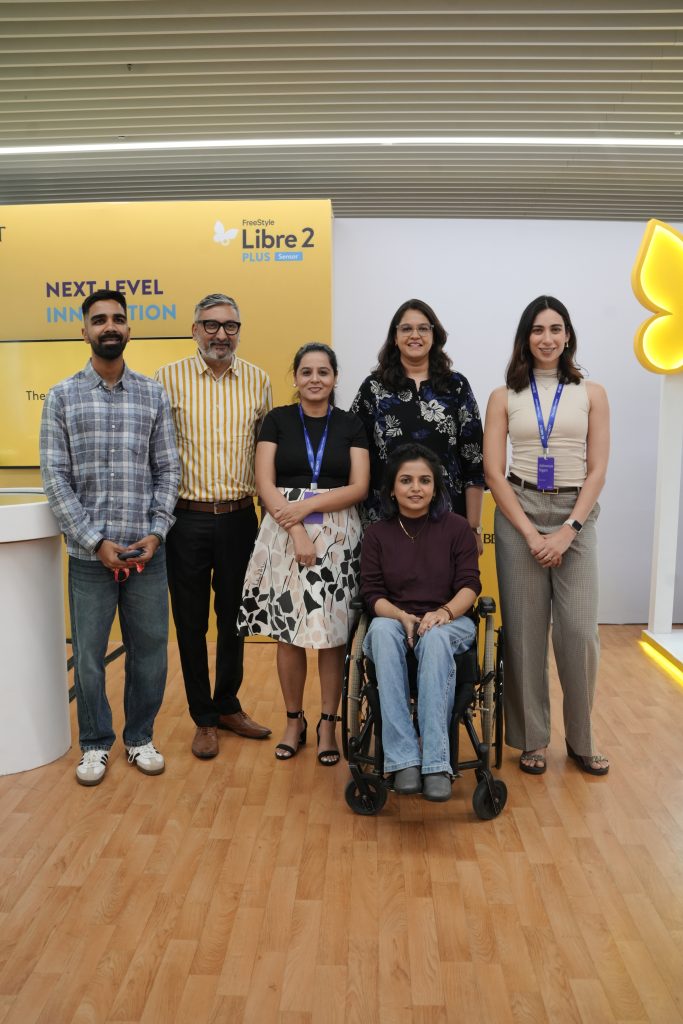
This was one of the strongest takeaways from Abbott Creator Day, where creators got a closer look at how healthcare innovation is moving into everyday life. The event brought together conversations, product experiences and expert insights across diabetes care, nutrition, diagnostics, heart health and wellness.
What we experienced was the technology and the shift in thinking that comes with it.
What is preventive healthcare and why is it becoming important?
Preventive healthcare focuses on understanding health risks earlier. It looks at patterns, warning signs, nutrition, lifestyle, diagnostics and regular monitoring before a condition becomes harder to manage.
Many health concerns do not begin suddenly. Diabetes, heart health issues, metabolic health changes and nutritional gaps often build over time. When people have access to better information, they can ask better questions, speak to their doctors earlier and make more informed choices.
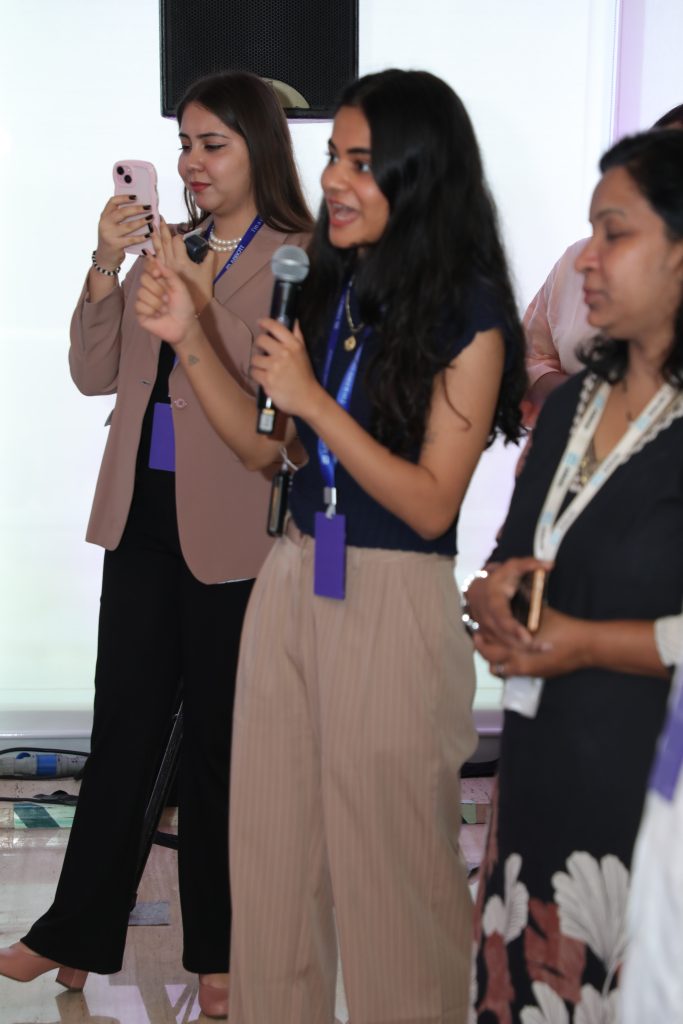
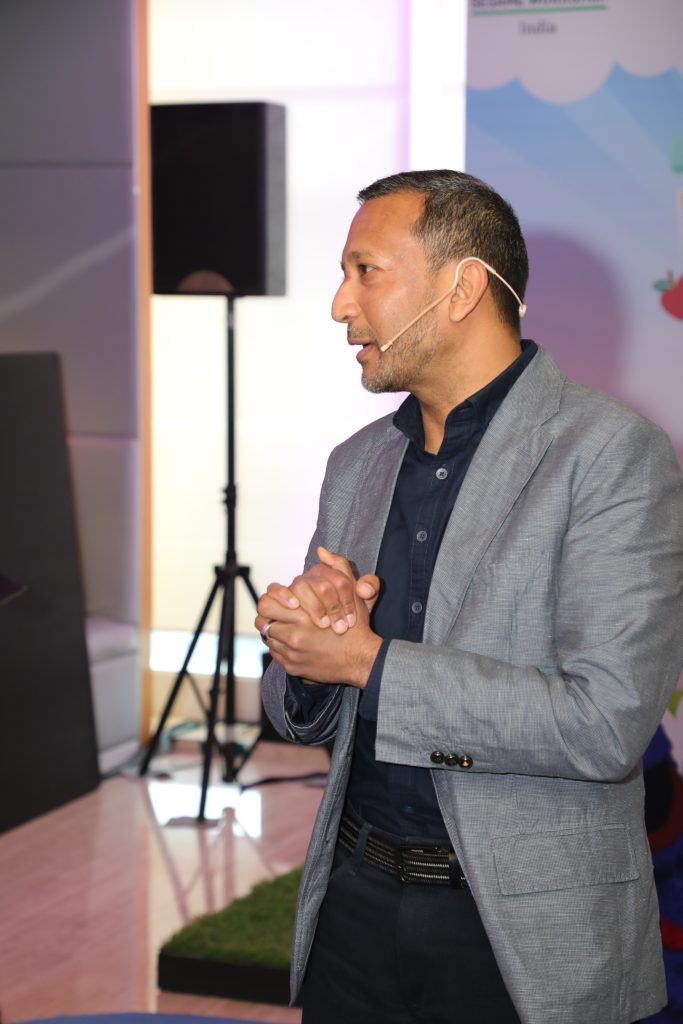
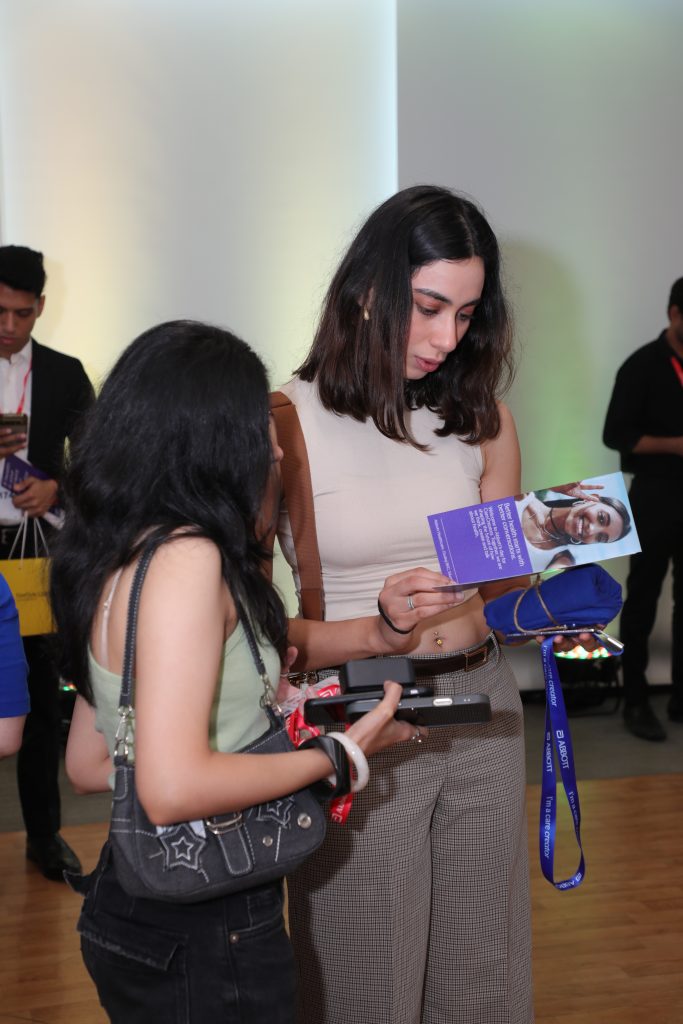
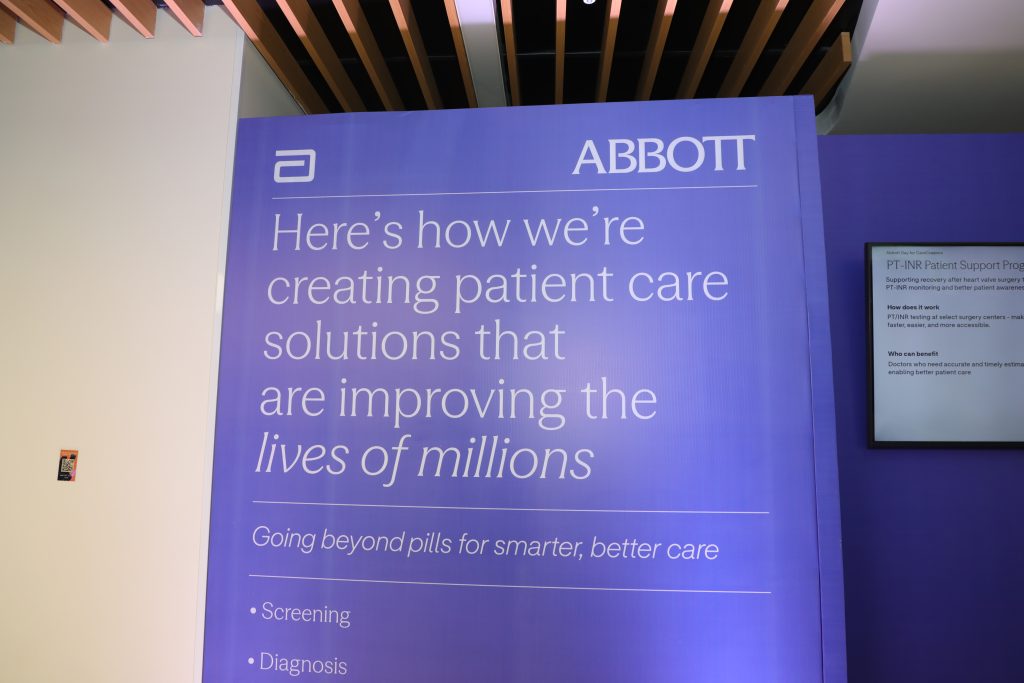
At Abbott Creator Day, this idea came through in different ways. Creators were introduced to how healthcare is becoming more connected to daily life through tools, nutrition support, diagnostic experiences and expert conversations. The event covered Abbott’s work across diabetes care, heart health, diagnostics and nutrition, with the aim of turning a healthcare experience into more relatable digital conversations.
From treatment to timely awareness
A preventive approach begins with knowing what is happening inside the body earlier and more clearly.
In the diabetes care zone, conversations around glucose monitoring highlighted how devices like FreeStyle Libre can help people understand glucose trends over time instead of depending only on isolated readings. This kind of continuous insight can support people living with diabetes, caregivers and healthcare providers in making better day-to-day decisions.
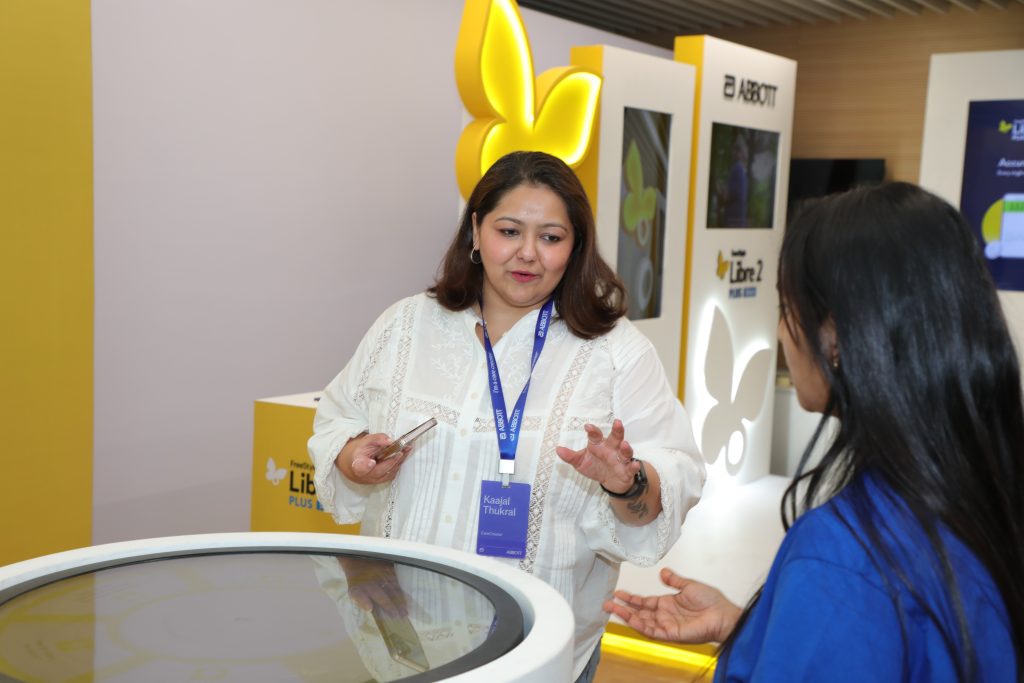
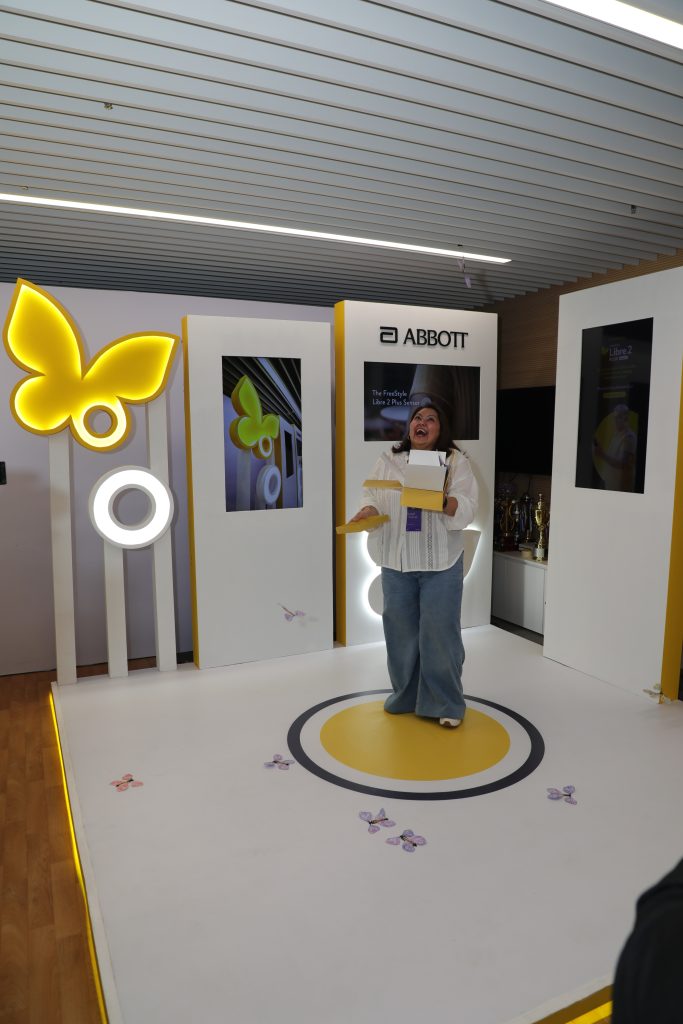
The discussion around GLP-1 and diabetes management also showed how diabetes care is evolving. It brought attention to newer approaches, changing needs and the importance of understanding metabolic health in a more complete way.
We learnt how healthcare innovation is also about helping people use information in ways that make daily health decisions easier.
How are glucose monitoring, diagnostics and nutrition helping shape the future of health?
The future of health is being shaped by three things people can connect with easily: knowing more, acting earlier and building better everyday habits.
Glucose monitoring helps people see trends. Diagnostics can help identify risks earlier. Nutrition support can become part of daily care instead of being treated as generic advice.
At the nutrition zone, including the Ensure Café, creators saw how science-based nutrition can be part of regular routines, especially for people managing specific health needs. Nutrition is often spoken about casually, but in the larger healthcare conversation, it plays a deeper role. It can support strength, recovery, energy and long-term wellbeing.
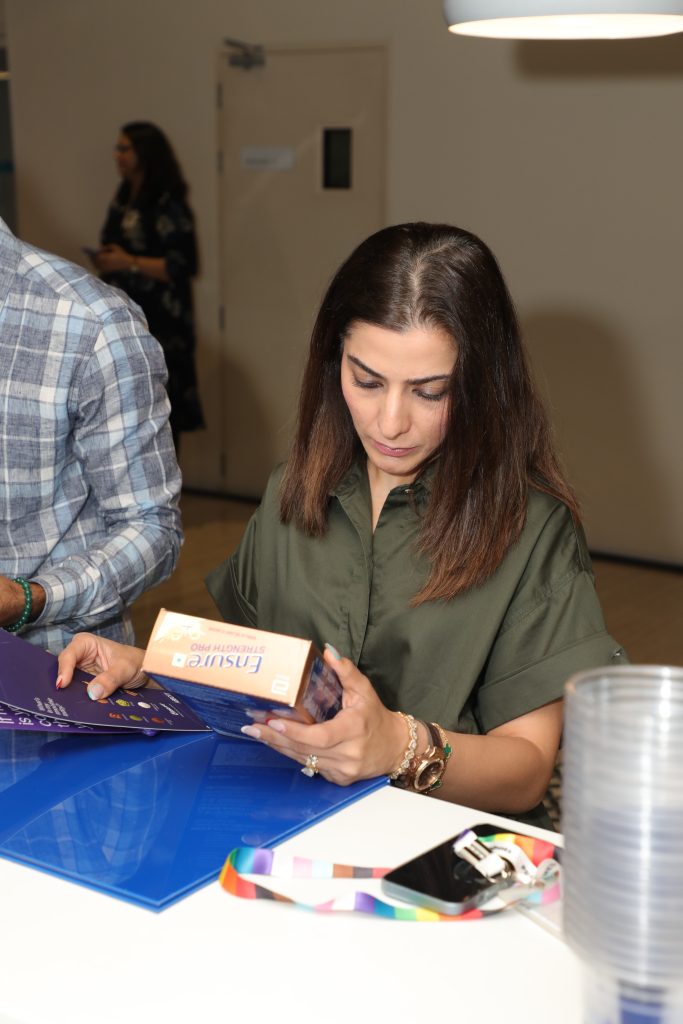
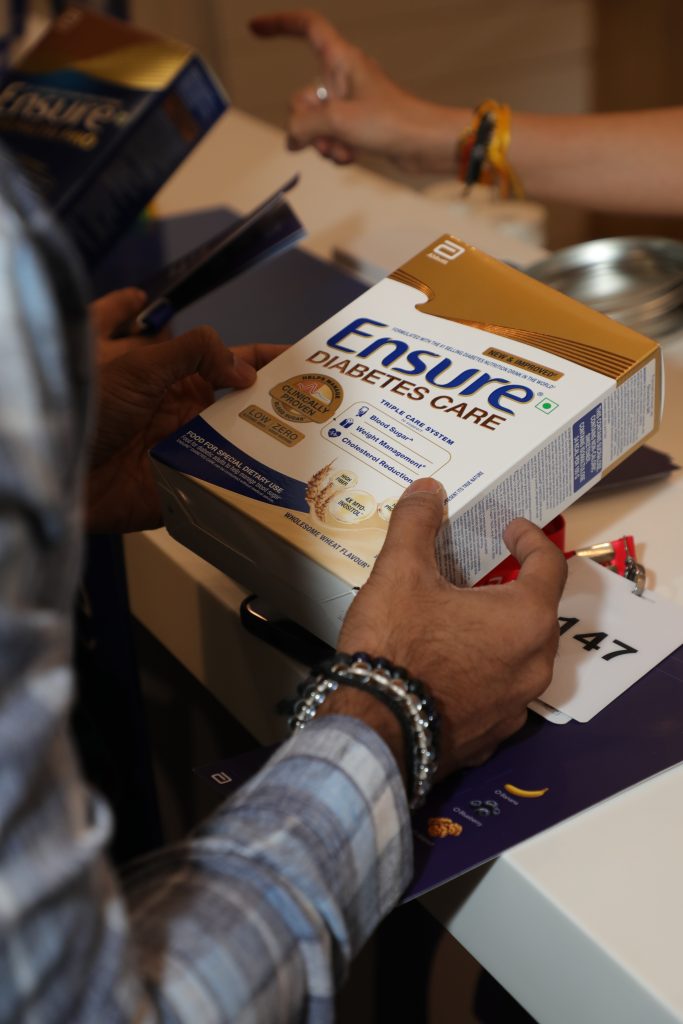
A pre-campaign survey we held also showed that nutrition was already a strong association for Abbott, with 44.2% respondents connecting the brand with nutrition and 71.5% identifying Ensure Diabetes Care as a science-based nutritional supplement.
Heart health needs earlier attention
Heart health was another important part of Abbott Creator Day.
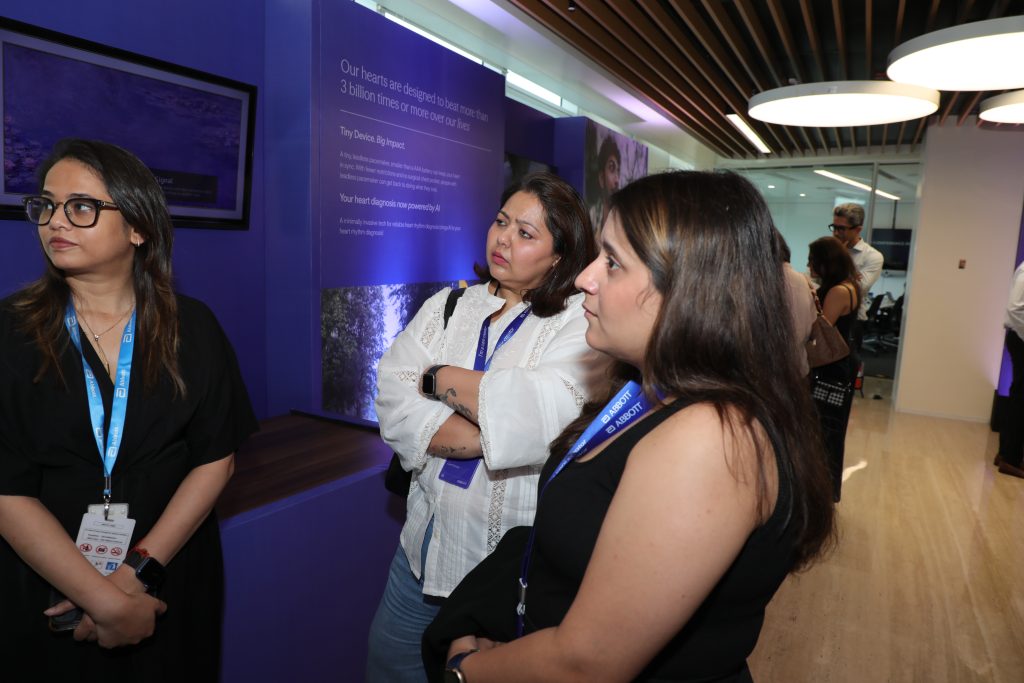
Through expert-led conversations and diagnostic experiences, the event brought focus to how early awareness can change the way people approach cardiovascular health. Heart care is often discussed only after a scare, a diagnosis or a family history moment. But preventive care asks a different question. What can be understood before that point?
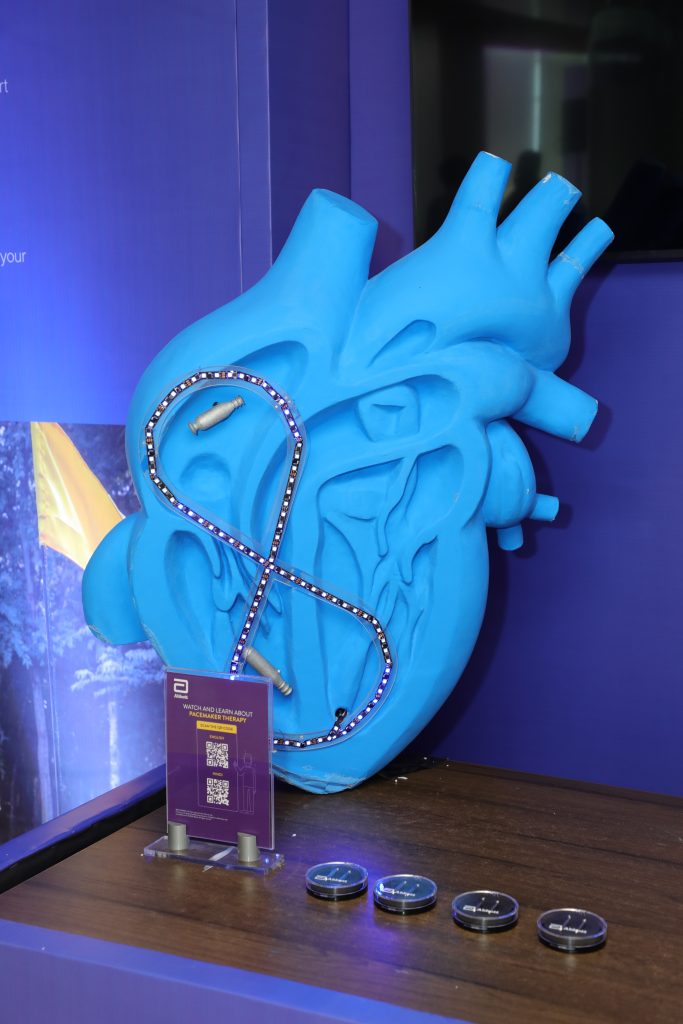
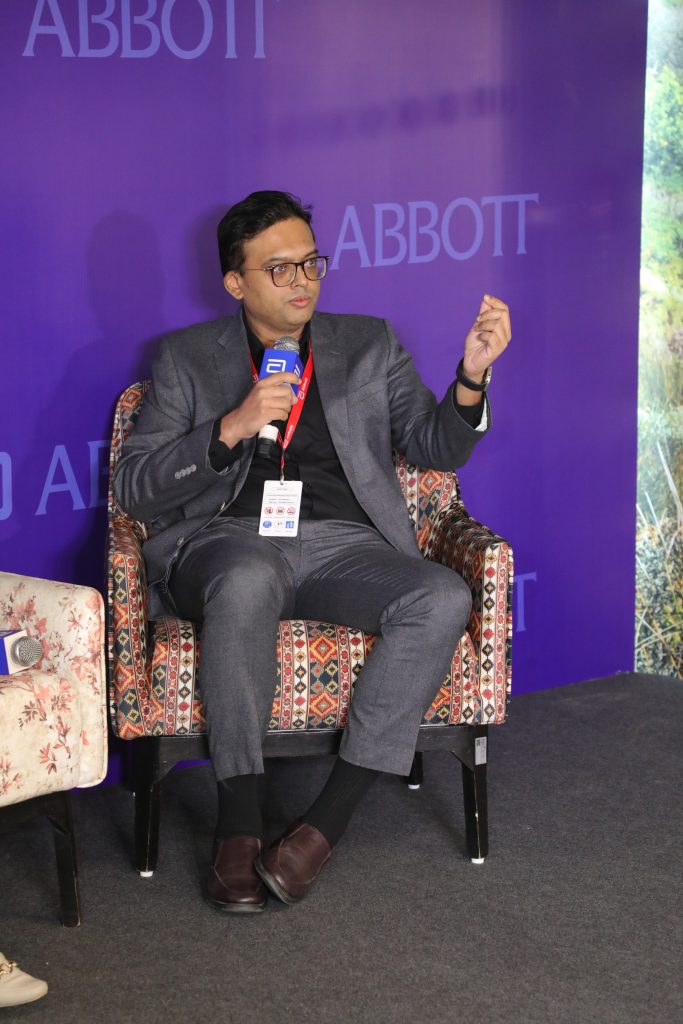
The face scanner and heart health discussions helped creators see how diagnostics and regular monitoring can make heart health less intimidating and more action-oriented.
The pre-campaign survey showed that heart care recall was led by medicines at 51.4% and diagnostic tests at 38.5%, while 30% respondents were still not sure about Abbott’s work in heart health. This shows why education-led conversations around heart care remain important.
Making healthcare easier to talk about
One of the challenges in healthcare communication is that innovation can sound distant. It can feel technical, complicated or meant only for doctors and specialists.
Creator-led conversations can help change that.
When creators experience healthcare innovation first-hand, they are able to translate it for their audiences in a language that feels closer to real life. They can ask questions people may be hesitant to ask and can connect information to lived experiences. They can most importantly make healthcare feel less like a hospital conversation and more like something that belongs in everyday decisions.
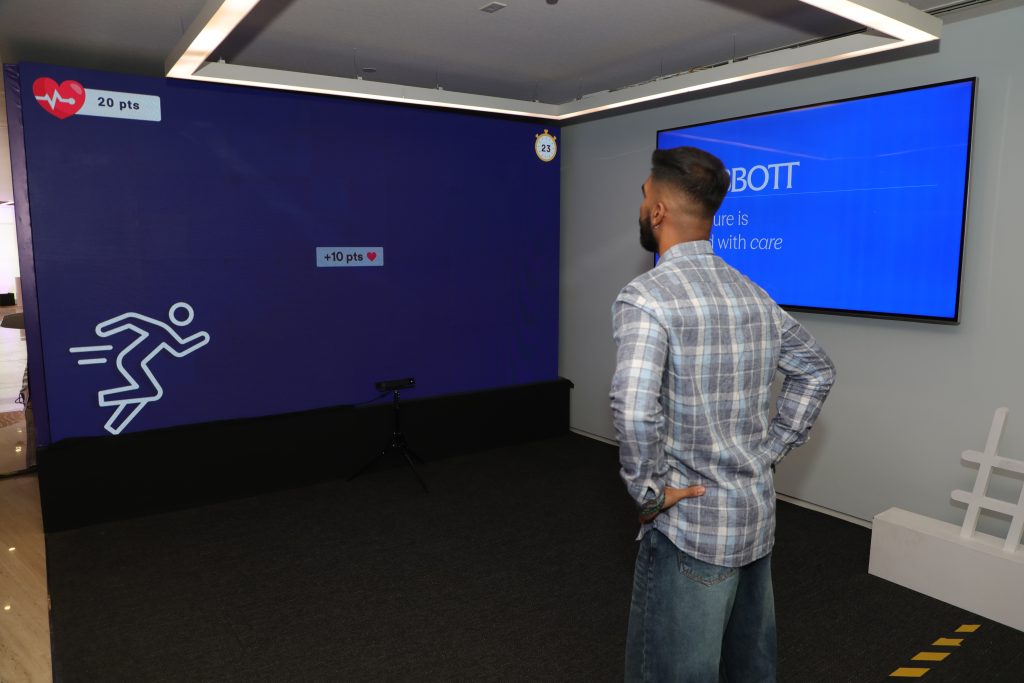
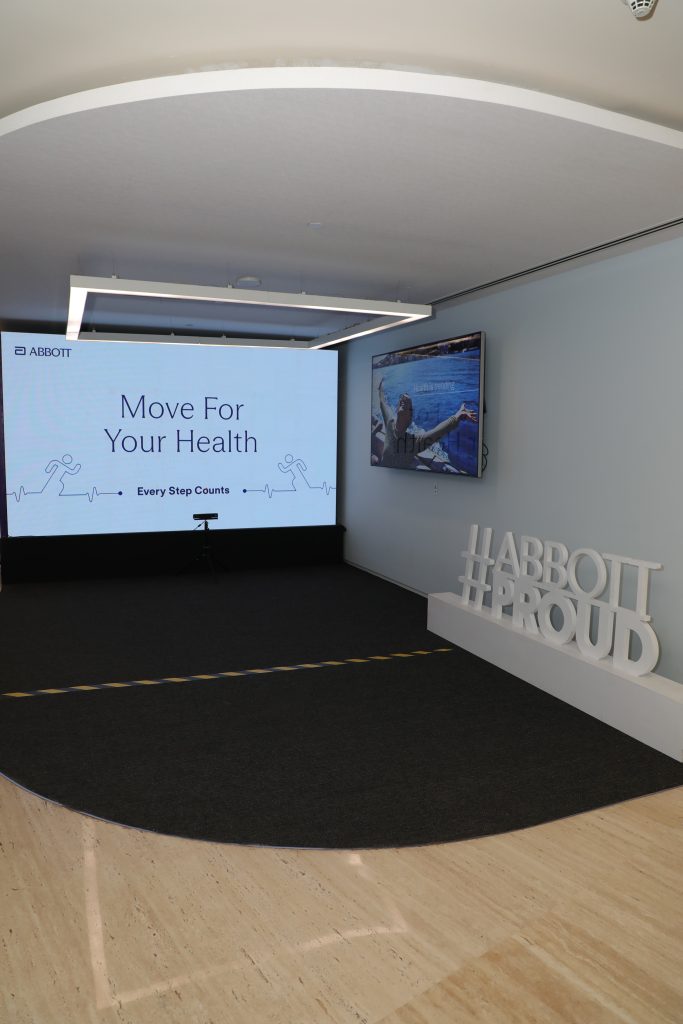
The panels, product kiosks, the very fun movement game, Sesame Muppet show and interactive experiences helped creators engage with health topics in ways that were visual, participative and easier to remember.
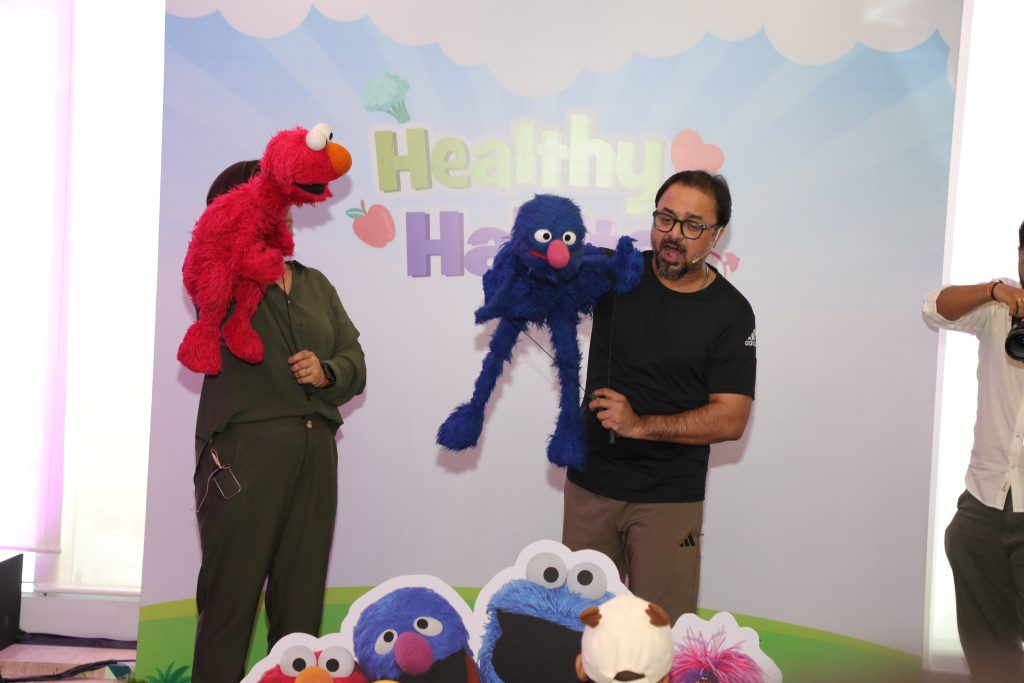
Why creator-led healthcare conversations matter
Healthcare decisions are personal. People often look for information, reassurance and stories that make a topic easier to understand.
For Abbott Creator Day, the content did not stay limited to event coverage. Creators shared stories, reels, polls and personal reflections. That is the value of making healthcare communication more human. It helps people see the link between innovation and real life.
The shift ahead
Health is no longer something people think about only when they are sitting inside a clinic. It starts much earlier, with the questions they ask, the signs they learn to notice, the information they are able to access, and the everyday choices they make for themselves and their families.
Preventive healthcare is not about making people afraid. It is about helping them understand their health better, sooner.
At the event we saw this idea come alive through every conversation that took place. We saw that healthcare innovation is now connected to daily life, helping people track, understand, manage, and care for their health before things reach a crisis point. And that’s why the future of health is Abbott.