
Bhoot Chaturdashi: Bengal’s Own Night of Ghosts
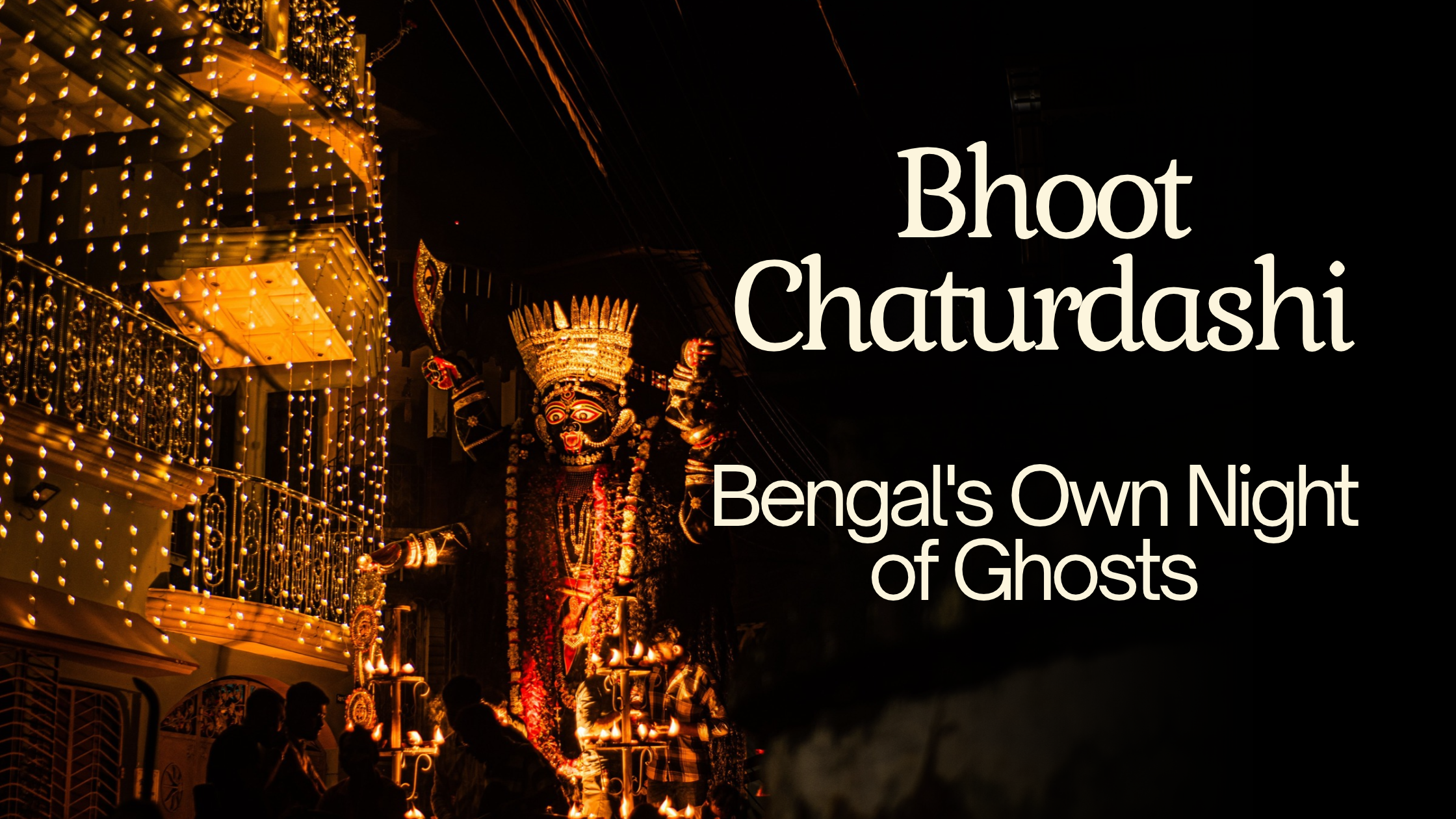
Has globalisation and social media made Halloween so popular among Indians that it now feels like one of our own festivals?
But what if we told you that India has its own tradition associated with ghosts and spirits? One where people light lamps, remember their ancestors and observe rituals passed down through generations.
This is the story of two different cultures and their fascinating traditions: Bhoot Chaturdashi and Halloween.
While Halloween brings images of carved pumpkins, spooky costumes and trick-or-treating, eastern India has its own fascinating night of ghosts, spirits and ancient traditions. Known as Bhoot Chaturdashi, this festival is observed mainly in West Bengal and parts of eastern India on the fourteenth day of the waning moon during the Kali Puja period.
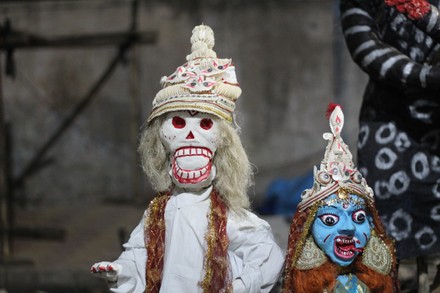
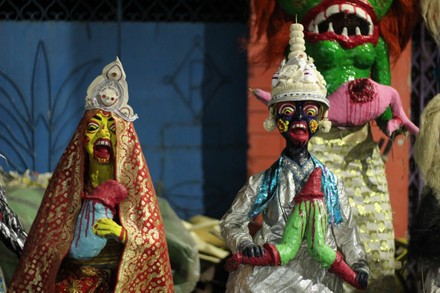
Often compared to Halloween, it has a distinctive cultural and spiritual significance rooted in Bengali beliefs and customs.
Why Is Bhoot Chaturdashi Celebrated?
The name itself offers a clue. In Bengali, bhoot means ghost or spirit, while chaturdashi refers to the fourteenth lunar day. According to popular belief, the night is associated with spirits and the unseen world. Families observe traditional rituals intended to remember ancestors and protect their homes from negative influences.
Bhoot Chaturdashi usually falls on the day before Kali Puja, although the exact calendar date changes each year. The festival is closely connected with the wider celebrations of Kali Puja and, in some regions, the period around Diwali. While Halloween is celebrated on October 31, Bhoot Chaturdashi follows the Hindu lunar calendar.
The Mystery of 14 Lamps
One of the best-known traditions of Bhoot Chaturdashi is lighting 14 earthen lamps, known as choddo prodip, around the home. These lamps are traditionally placed in different corners of the house to illuminate dark spaces.
The number fourteen is significant because it is linked to the fourteenth lunar day and, in popular Bengali tradition, the remembrance of fourteen generations of ancestors. According to folklore, the spirits of these ancestors return to visit their families on this night, and the lamps help guide them home.
The lamps symbolise light, remembrance and protection. For families observing the custom, the ritual is not simply about warding off ghosts; it is also a way of honouring those who came before them.
Why Do People Eat 14 Types of Greens?
Food is another important part of the celebration. Many Bengali households prepare choddo shaak, a traditional dish made using fourteen varieties of leafy greens. The ingredients may differ according to local availability and family tradition.
Eating these greens is associated with seasonal practices and traditional beliefs about protecting the body during changing weather. Like the lamps, the fourteen greens connect the festival to the symbolism of the number fourteen.
The custom also shows how folklore, food and family rituals come together in everyday cultural life.
Is Bhoot Chaturdashi Really India’s Halloween?
The comparison is tempting, but the two celebrations are not identical. Halloween today is widely associated with costumes, parties, decorations and trick-or-treating, although its history also includes traditions connected with the dead. Bhoot Chaturdashi centres more on household rituals, ancestral remembrance and regional beliefs.
Both festivals, however, reflect humanity’s longstanding fascination with ghosts, spirits and the boundary between the living and the dead. They turn the mysterious into something communities can experience together, whether through spooky stories or the warm glow of lamps.
Bengal also has a rich tradition of ghost stories, with supernatural characters appearing in its folklore and literature. The fascination with spirits extends well beyond this one festival.
Bhoot Chaturdashi may not have Halloween’s global popularity, but its traditions offer a glimpse into Bengal’s rich cultural imagination. From fourteen flickering lamps to a plate of seasonal greens, the festival reminds us that India’s folklore has its own wonderfully eerie ways of welcoming the festive season.
So, while Halloween is often about dressing up for a night of fright, Bhoot Chaturdashi offers a different kind of mystery, shaped by ancestral memories, flickering lights and stories passed down through generations.