

Harmonizing LGBTQIA+ Rights in India
Acceptance, such a basic need of every human being. Humans being a social and dependent species, we want people to accept us for who we are not what we are supposed to be. Is it too much to ask for? Then why is it that LGBTQIA+ community people have to fight for it every day of their lives?
Yes, there are a lot of countries out there in the world that have legal laws abiding LGBTQIA+ community rights which are far more progressive than India. Whereas, here in India even though in 2018, the Indian Supreme Court overturned this law in a landmark decision, recognizing the rights of LGBTQIA+ individuals and striking down this discriminatory law people are still facing a mountain of challenges even in everyday areas such as financial rights, family recognition, inheritance, adoption, housing, healthcare access and workplace safety.
In August 2024, the Ministry of Finance clarified that queer people face no restriction in opening joint bank accounts or nominating a person in a queer relationship to receive the account balance after death. That is a useful step, but it still does not solve the larger absence of marriage, adoption and full family recognition for queer couples.
By harmonizing LGBTQIA+ rights, what we mean is bringing the laws and attitudes around LGBTQIA+ rights in India into line with the rest of the civilized world.
The Sad State of the LGBTQIA+ Community in India
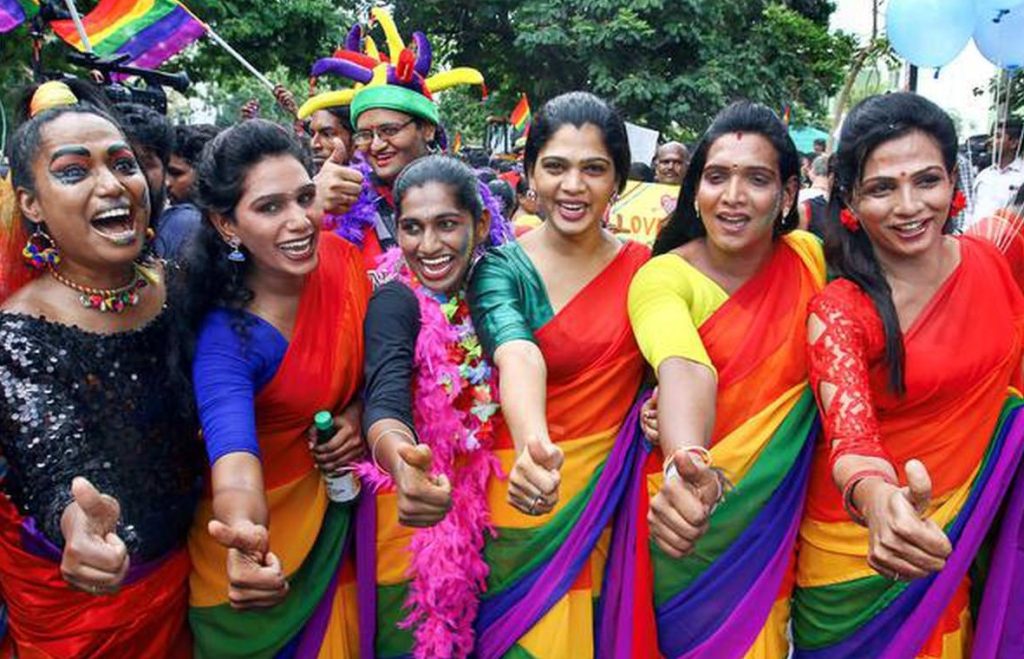
Before talking about making changes in the law, there is a desperate need for people to have awareness about the same. There are still many people in India who view being LGBTQIA+ as a sin or a disease. And that’s just plain silly. It really is pathetic to hear someone say, “I can’t hang out with you, you might give me the gay”? It’s like they think being LGBTQIA+is contagious. Newsflash, folks: it’s not.
But despite all the challenges, there are some bright spots. There are LGBTQIA+ organizations in India that are working tirelessly to promote equality and acceptance. And there are brave individuals who are coming out and living their truth, even in the face of adversity.
All these are great, but definitely not enough.
The Bare Truth
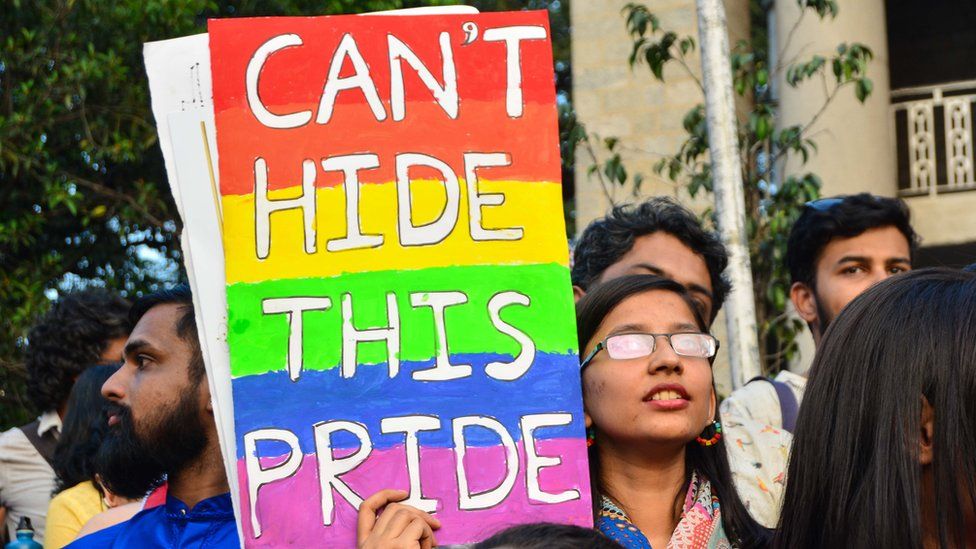
Now, you might be thinking, “Wait a minute, I thought India was a modern, progressive nation!” And to some extent, you’d be right. India has made great strides in recent years in terms of social and economic development. But when it comes to LGBTQIA+ rights, India is lagging behind. And not just a little bit.
The gap is still visible in law, policy, institutions and everyday social behaviour.
To put it in perspective, same-sex relationships were decriminalized in India in 2018. Same-sex relationships were decriminalised in India in 2018. That was eight years ago, but legal freedom has still not translated into full equality. Marriage, adoption, inheritance, family recognition and everyday institutional rights remain complicated. Now, you might be thinking, “Well, at least they’re making progress.” And again, you’d be right. But the fact remains that there is still a long way to go.
For example, same-sex marriage is still illegal in India. That means that even though two people of the same gender can be in a relationship without fear of legal repercussions, they cannot get married.
In October 2023, the Supreme Court refused to legally recognise same-sex marriage and said that changes to marriage law must come from Parliament. Review petitions against this decision were dismissed in January 2025. So, as of 2026, same-sex marriage is still not legally recognised in India.
This creates a strange half-recognition. Queer people may no longer be criminalised for who they love, but their relationships still do not receive the same legal protection as heterosexual marriages.
There has been one important court development around family. In 2025, the Madras High Court said that marriage is not the only way to form a family and recognised the idea of “chosen family” in LGBTQIA+ jurisprudence. This does not legalise same-sex marriage, but it does acknowledge that queer people can build valid family units outside marriage.
The picture is also mixed for transgender rights. The Transgender Persons (Protection of Rights) Amendment Bill, 2026 has raised concern because it affects self-identification, which has been central to transgender rights in India. Rights groups and legal experts have criticised this as a possible rollback rather than progress.
Where do we start?
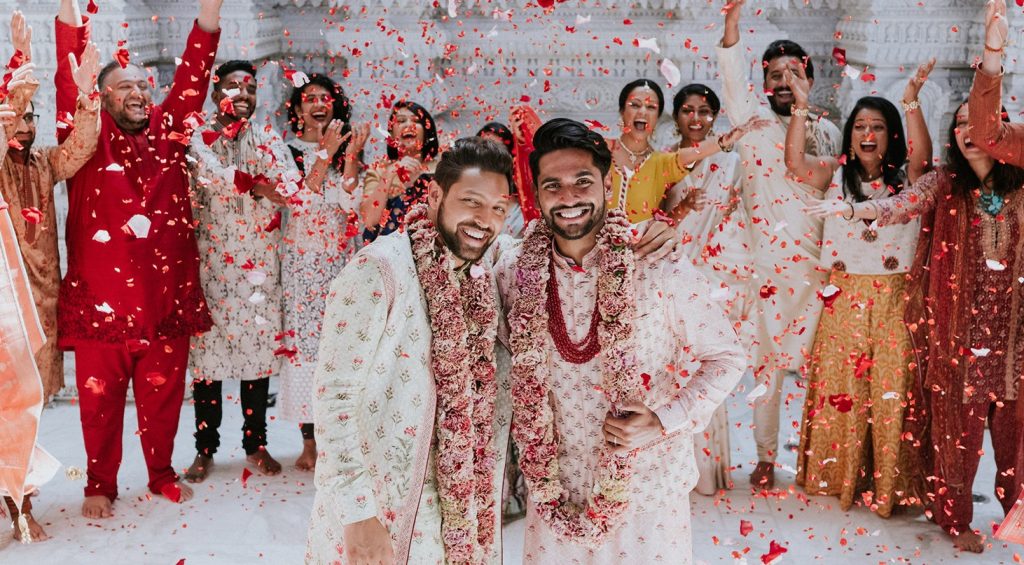
Well, for starters, we can educate ourselves and others about the realities of LGBTQIA+ identities. We can listen to the stories of LGBTQIA+ people in India and amplify their voices. We can support organizations that are working to promote equality and acceptance.
But perhaps most importantly, we can be allies. Being an ally means standing up for LGBTQIA+ rights, even if you’re not part of the community yourself. It means being a vocal advocate for equality and fighting against discrimination in all its forms.
Being an ally also means checking your own biases and assumptions. It means recognizing that LGBTQIA+ people are just as diverse and complex as anyone else and that there’s no one “right” way to be LGBTQIA+. It means being willing to listen and learn from the experiences of LGBTQIA+ people, even if it’s uncomfortable or unfamiliar.
The Final Judgment
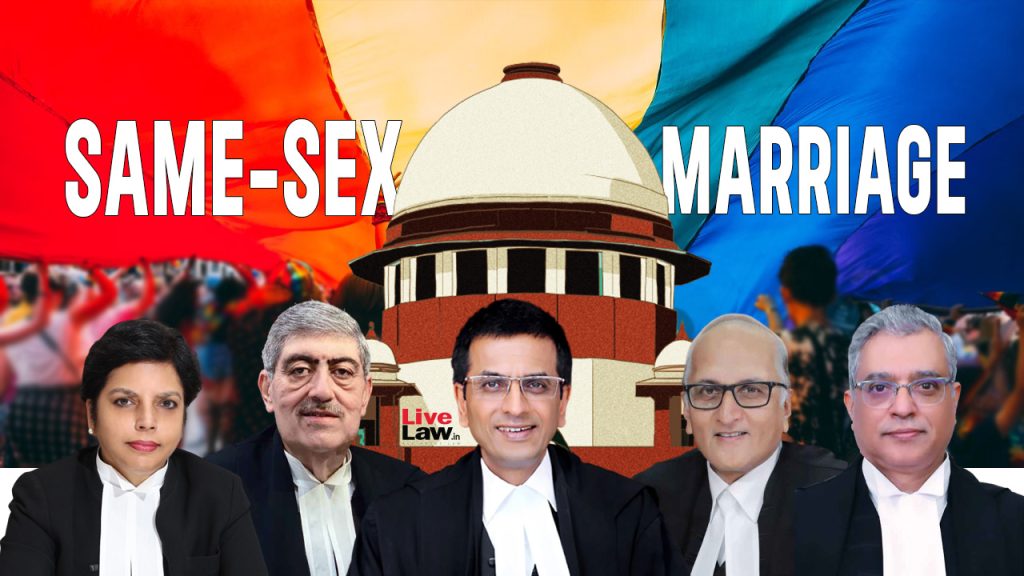
The Supreme Court has already delivered its verdict on marriage equality. In 2023, it refused to legalise same-sex marriage, and in January 2025, it dismissed review petitions against that decision. This means the legal battle is no longer at the “verdict reserved” stage. The demand now moves more clearly towards Parliament, policy reform and everyday legal protections for queer couples.
At the end of the day, LGBTQIA+ rights in India (and around the world) are about basic human dignity and respect. It’s about ensuring that every person has the right to love who they love and be who they are, without fear of discrimination or violence.
The question is not whether India should abandon culture. The question is whether culture can make room for dignity, safety, love and equal rights. Because no tradition should require people to live with less protection than everyone else.
Let’s not hide ourselves and bind the growth of our nation in the name of culture anymore. And that’s something that we should all be able to get behind.