
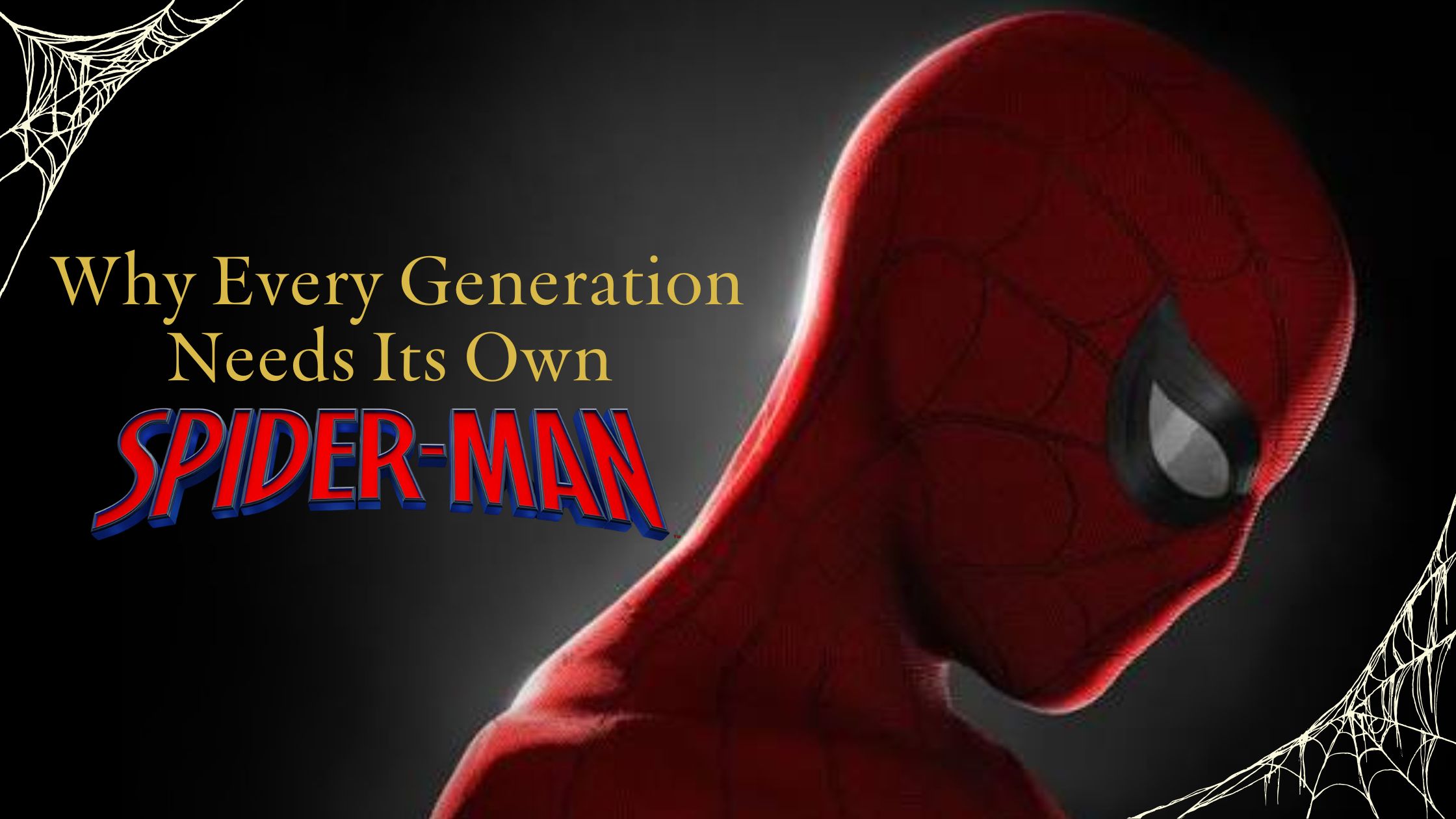
Why Every Generation Needs Its Own Spider-Man
Batman has money. Superman can move planets. Thor is a god.
Spider-Man on the other hand has rent due, unfinished homework, a damaged suit and someone waiting for him to show up on time.
Aaand he usually does not.
That has always been the appeal of Spider-Man. Beneath the mask is someone trying to manage a life that refuses to cooperate.
The radioactive bite gives him powers, but it does not solve loneliness, grief, guilt, money problems or the fear of disappointing people.
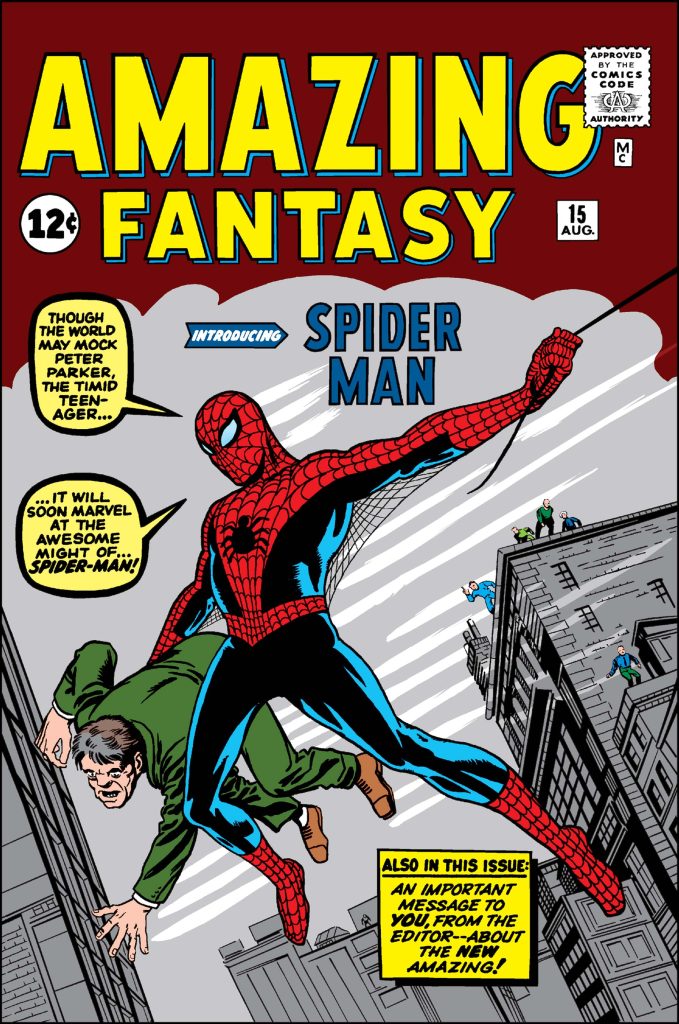
Peter Parker first appeared in Amazing Fantasy #15 in 1962 as a teenager who was neither a sidekick nor a polished young hero. He was awkward, resentful and capable of making a terrible decision. His story was built around what happened after that decision.
More than six decades later, Spider-Man has been played by different actors, redrawn across animated series and reinvented across comics, countries and universes. Some versions are Peter Parker. Many are not.
We keep returning to him because Spider-Man was never meant to be one fixed person. He is an idea that keeps finding a new face.
Tobey Maguire’s Spider-Man carried the weight of responsibility
For many of us, Tobey Maguire was the first Spider-Man who felt real.
His Peter Parker was shy and painfully sincere. He lived in a small room, struggled to keep a job and repeatedly failed the people he loved because saving strangers came first. Even when he won, he seemed to lose something.
Sam Raimi’s films treated responsibility as a burden Peter willingly carried. His powers did not free him. They made it harder for him to live an ordinary life.
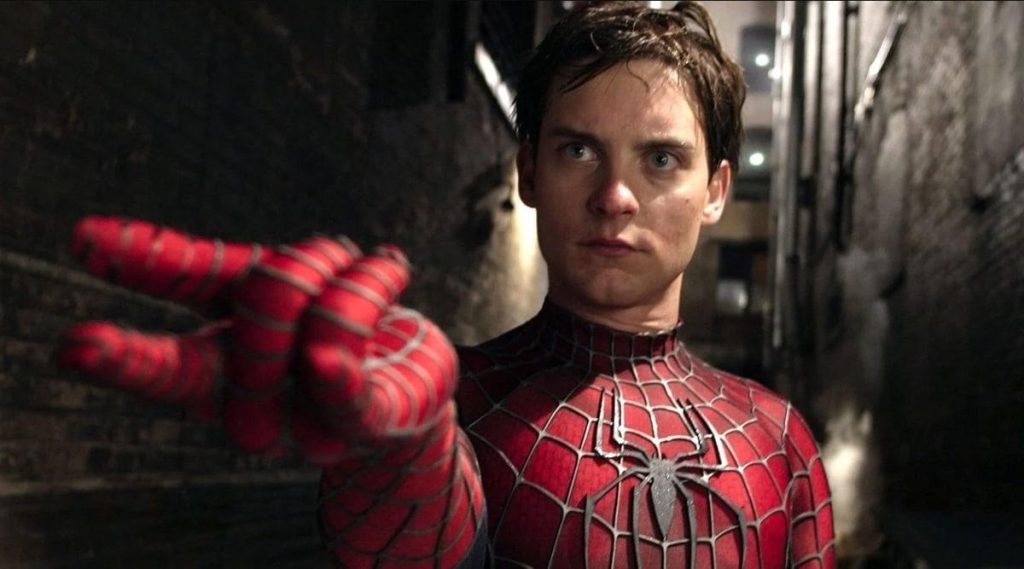
Tobey’s Spider-Man arrived at a time when superhero films were still trying to convince audiences that comic-book characters could have emotional depth. The films gave us spectacle, but their strongest moments were often small. Peter watching Mary Jane from a distance. Aunt May facing financial trouble. Peter choosing to walk away because being with him might put someone else at risk.
His Spider-Man was not cool. He was earnest. That is exactly why people remain attached to him.
Andrew Garfield gave us a Spider-Man shaped by grief
Andrew Garfield’s Peter Parker was sharper, restless and visibly angry.
He joked while fighting criminals, moved like Spider-Man had stepped directly out of a comic panel and carried his pain close to the surface. His version had already grown up with questions about his parents. His story unfolds, loss becomes one of the forces that shapes the way he sees responsibility, love and the people he is trying to protect.
This Spider-Man is constantly confronted with the fear that caring deeply about someone can also mean having something to lose.
Garfield’s return in Spider-Man: No Way Home works especially well because the film allows that history to follow him without pretending his earlier experiences have disappeared.
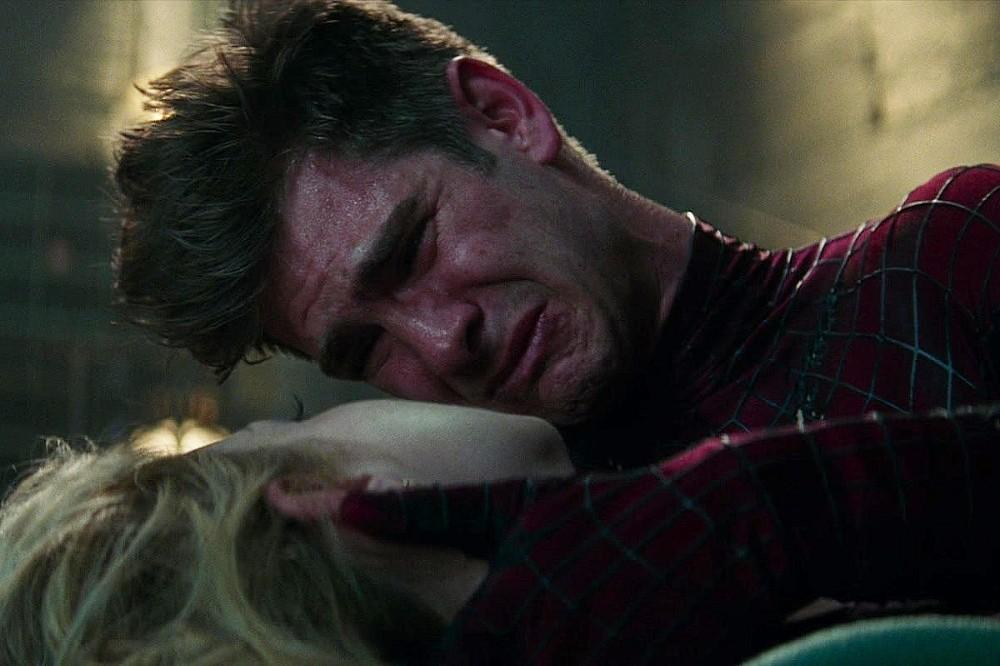
His Spider-Man connected with people who knew that growing does not always mean moving on. Sometimes it means learning how to keep living with what happened.
Tom Holland’s Peter grew up among superheroes and still felt alone
Tom Holland entered the Marvel Cinematic Universe in a world already crowded with gods, billionaires, aliens and Avengers.
His Peter did not need to discover that superheroes existed. He wanted to join them.
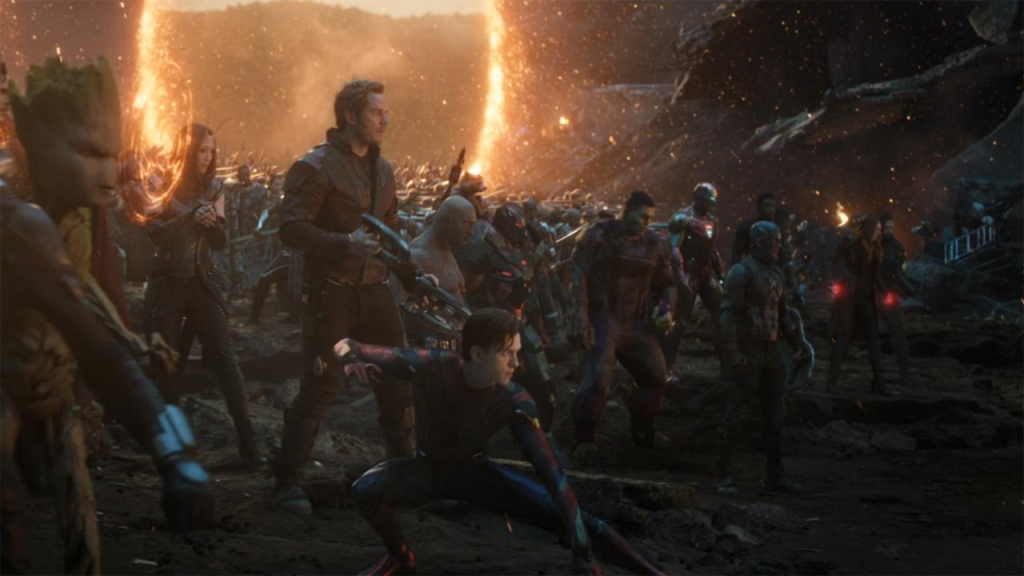
That changed the shape of his story. His early problems were linked to approval. He wanted Tony Stark to trust him. He wanted the suit. He wanted to prove that he deserved to be in the room with larger heroes.
As his films progress, however, that sense of security begins to disappear. Peter is forced to make decisions without always having an Avenger, a mentor or a piece of Stark technology ready to solve the problem for him.
By Spider-Man: No Way Home, his story has moved much closer to the lonely, neighbourhood-level Spider-Man that has existed in the comics for decades.
Tom’s Spider-Man began with access to extraordinary technology. Over time, his story asks what remains when those advantages are no longer enough.
Each live-action Peter reflects a different fear about growing up. Tobey fears failing his responsibilities. Andrew fears losing the people he loves. Tom wrestles with approval, identity and the question of who he is when other people cannot define that for him.
But Peter Parker is only one part of Spider-Man’s story now.
Miles Morales proved that Spider-Man did not have to be Peter Parker
Miles Morales first appeared in Ultimate Fallout #4 in 2011, created by Brian Michael Bendis and Sara Pichelli. He entered Marvel’s Ultimate Universe at a moment when the Spider-Man identity was undergoing a major change.
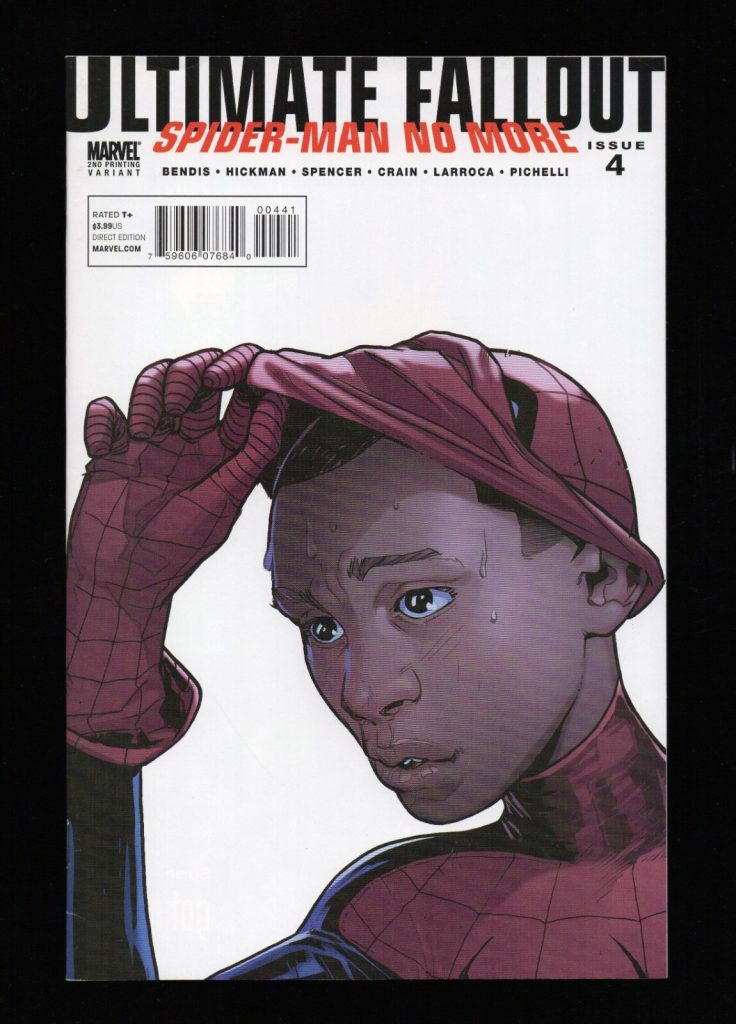
Miles was not introduced as Peter with a different face. He inherited a name already loaded with expectation.
The animated Spider-Verse films understood the pressure at the centre of his story. Miles is surrounded by people who already have an idea of what Spider-Man should look like, how he should behave and what experiences supposedly come with wearing the mask.
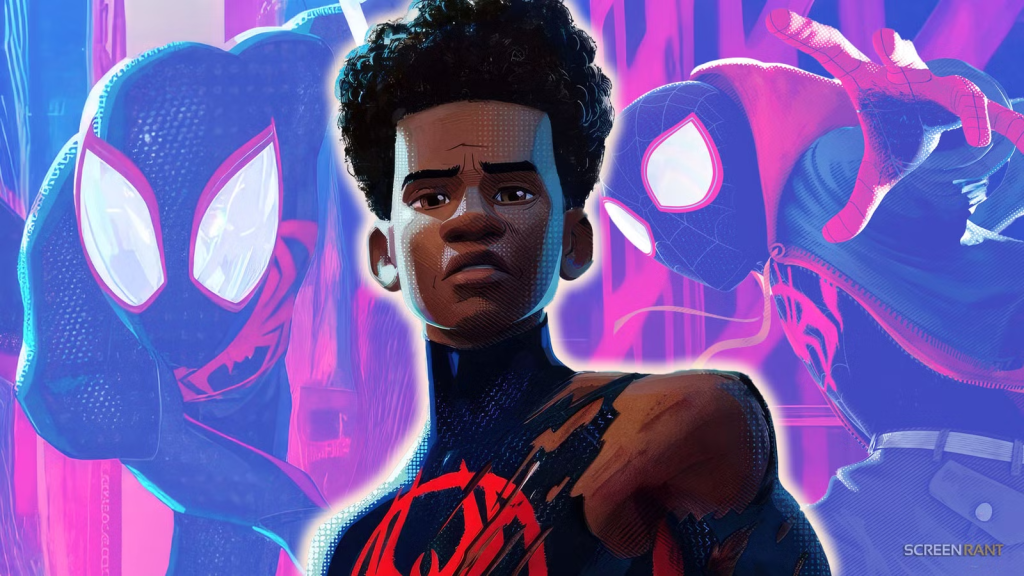
His journey is not about becoming more like Peter. It is about rejecting the belief that there is only one correct way to be Spider-Man.
Miles has different powers, a different family and a different relationship with his city. He wears sneakers with his suit. He paints. He moves to his own rhythm.
His existence changed the familiar Spider-Man message. Anyone can wear the mask does not mean everyone must become the same beneath it.
Gwen Stacy was allowed to become more than a tragedy in Peter’s story
For decades, Gwen Stacy was largely remembered through her relationship with Peter Parker and one of the most famous storylines in Spider-Man comics.
Then a different universe let the spider bite Gwen instead.
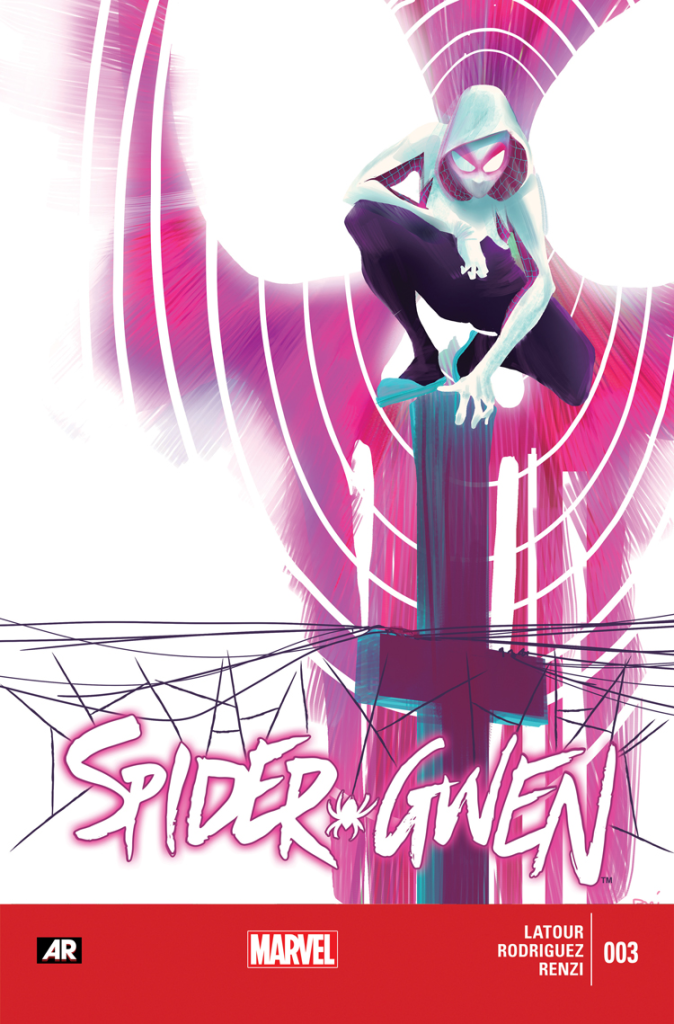
On Earth-65, Gwen becomes the hero and Peter Parker occupies a very different role in her story. She eventually takes the name Ghost-Spider, though fans still commonly call her Spider-Gwen.
The reversal does more than create a stylish costume and a new set of powers. It gives Gwen a life beyond the role that once defined her in Peter Parker’s story.
She now carries guilt of her own. She hides the truth from her police-captain father. She plays drums, makes difficult choices and struggles with the distance between her public identity and private life.
Spider-Gwen shows what can happen when a character who once existed mainly to shape a male hero is given her own story.
Miguel O’Hara asks what Spider-Man looks like in the future
Spider-Man 2099 first appeared in comics long before the animated films made Miguel O’Hara widely recognisable.
Miguel is a geneticist living in Nueva York in the year 2099, where powerful corporations dominate society. He becomes an enemy of those corporations rather than a friendly figure protected by public trust.
He is not Peter Parker transported into the future. Miguel is more severe, more physically intimidating and less naturally hopeful.
In Spider-Man: Across the Spider-Verse, Miguel becomes one of the characters with the strongest ideas about how the Spider-Verse should work. Miles does not always agree with him.
Their conflict gives us two very different interpretations of what responsibility can mean when the rules themselves are being questioned.
Pavitr Prabhakar made Spider-Man local to India
Before Across the Spider-Verse gave us the animated Pavitr Prabhakar, Spider-Man India already existed in comics.
Created by Jeevan Kang, Suresh Seetharaman and Sharad Devarajan, Pavitr debuted in Spider-Man: India in 2004. He was raised by Uncle Bhim and Aunt Maya, protected Mumbai and faced Indian versions of familiar threats.
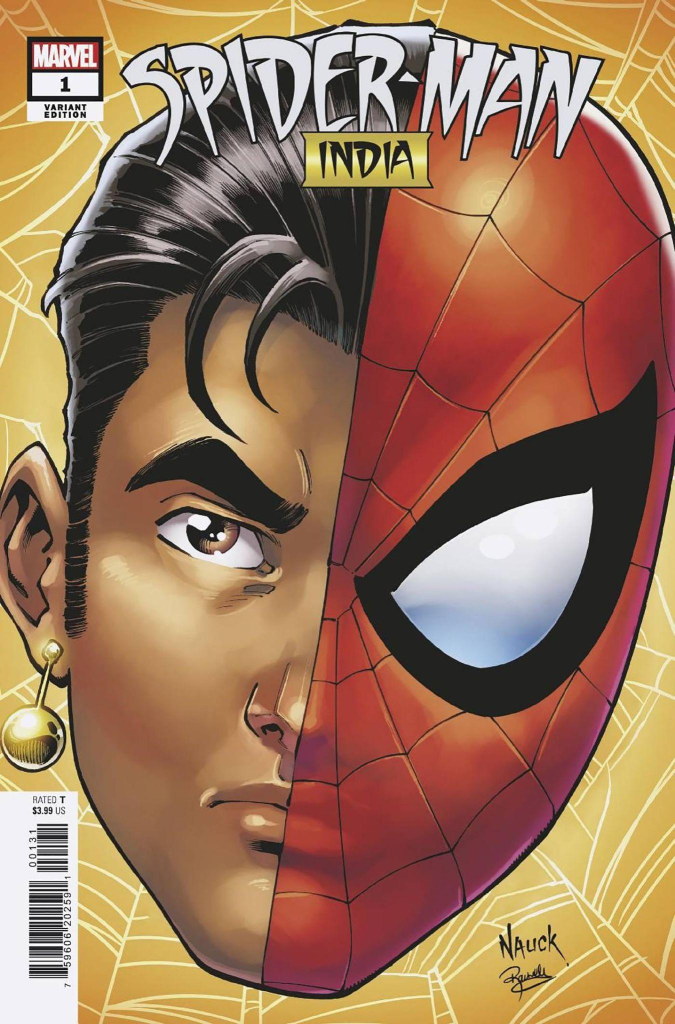
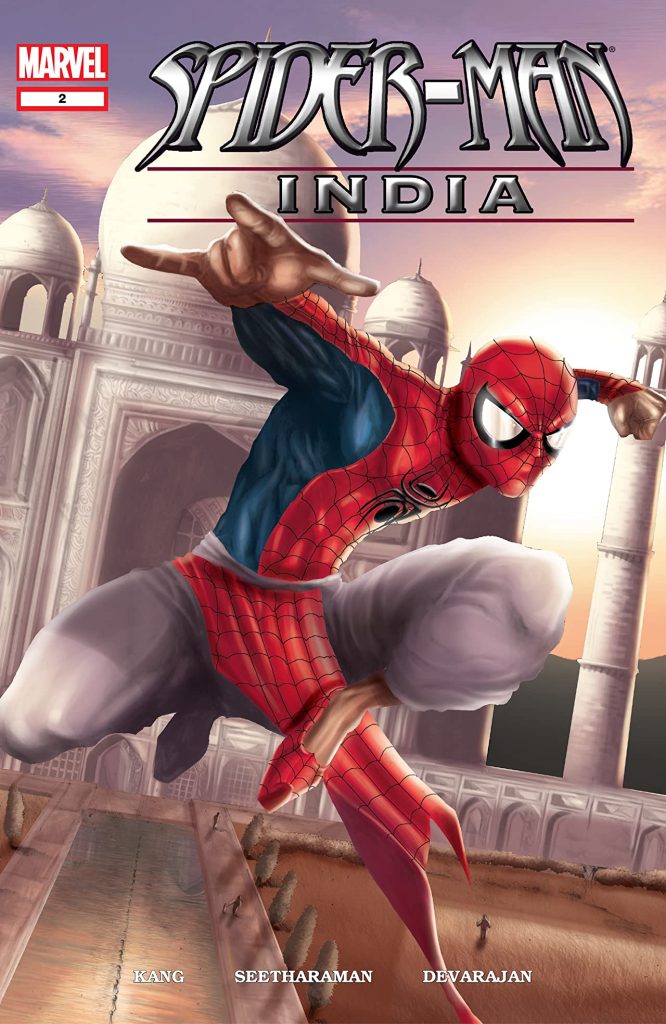
The first comic closely adapted Peter Parker’s basic story. Later versions began to give Pavitr a stronger identity of his own.
His popularity after the animated film showed why representation works best when it has personality. Pavitr is not present only so India can be ticked off on a multiverse map. His movement, humour, clothes and city shape how he occupies the role.
Spider-Man has always been called a neighbourhood hero. Pavitr reminds us that the neighbourhood does not always have to be in New York.
Hobie Brown turned Spider-Man into an act of rebellion
Spider-Punk is Hobie Brown from Earth-138, a world controlled by authoritarian politics, corporate power and rampant consumerism. He uses music, resistance and his spider abilities to fight the system around him.
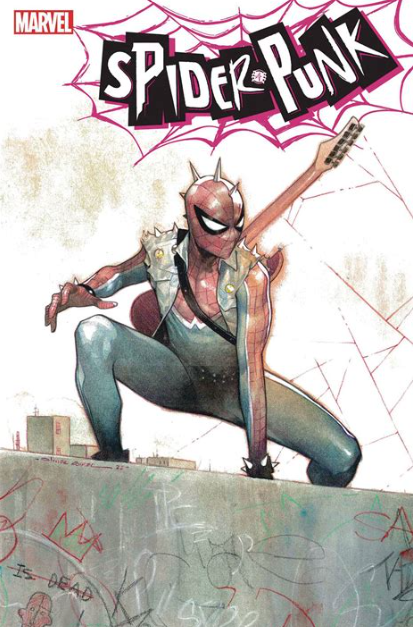
He does not believe in institutions. He is suspicious of leaders and labels. Even his animation in Across the Spider-Verse refuses to remain visually stable.
Hobie works because Spider-Man has always had a rebellious streak. Peter frequently clashes with authority, mistrusts powerful people and acts according to his own conscience. Spider-Punk takes that part of the character and pushes it to the front.
For him, great responsibility does not mean obedience. It means refusing to cooperate with injustice.
Some Spider-People are barely known outside the comics
The Spider-Verse films introduced audiences to Peni Parker, Spider-Man Noir and Spider-Ham, but the comics go much further.
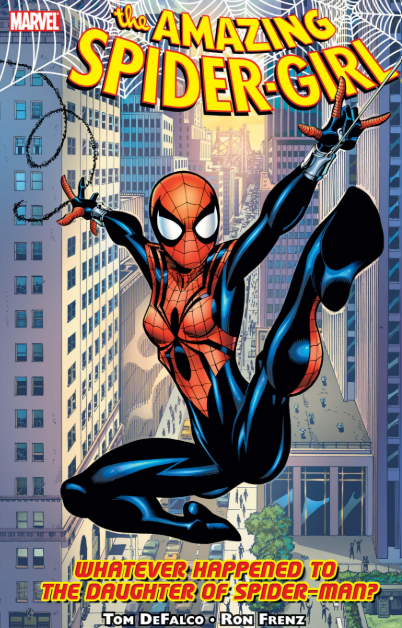
May “Mayday” Parker is the daughter of Peter Parker and Mary Jane in an alternate future. She becomes Spider-Girl and carries the family legacy into a new generation.
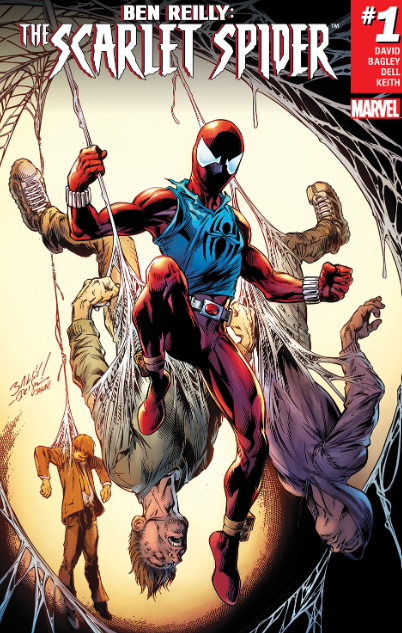
Ben Reilly is Peter’s clone, best known as the Scarlet Spider. For years, his stories have asked whether a person made from someone else’s memories can build an identity that belongs to him. Kaine, another clone, is more violent and unstable, yet he too attempts to become a hero.
The Superior Spider-Man takes one of Peter Parker’s most famous enemies and places him unusually close to the Spider-Man identity. The storyline plays with the idea that intelligence and efficiency alone are not what make someone Spider-Man.
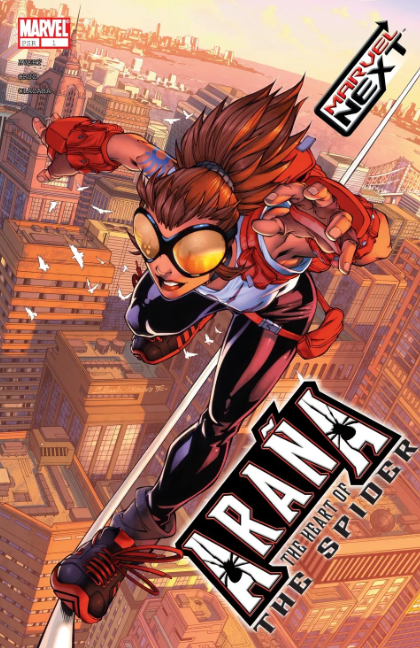
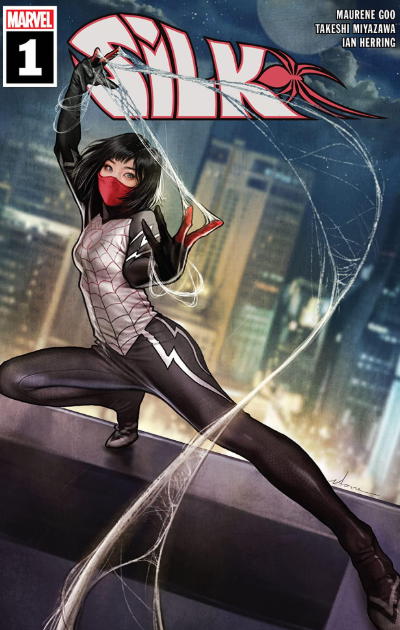
Anya Corazon, also known as Araña or Spider-Girl, brings her own history and abilities to the larger Spider family. Silk, or Cindy Moon, was bitten by the same spider that bit Peter, but her life took a very different path.
Charlotte Webber, known as Sun-Spider, is a disabled Spider-Hero who uses crutches and a wheelchair. The character began as a fan-created “Spidersona” before entering Marvel comics and later appearing in Across the Spider-Verse.
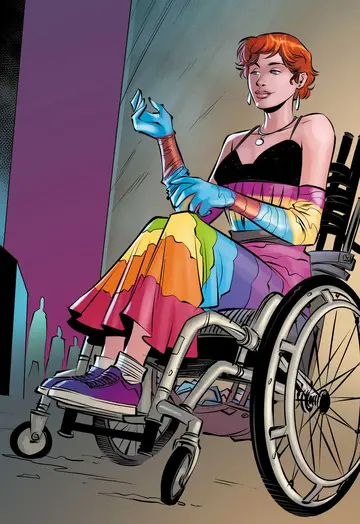
Even disability can exist inside the Spider-Man fantasy without being treated as incompatible with heroism.
Japan had a Spider-Man with an alien origin and a giant robot
One of the strangest and most influential Spider-Man versions did not begin in American comics.
The 1978 Japanese television series followed Takuya Yamashiro, a motorcycle racer who received his powers from an alien from Planet Spider. He drove a flying car and piloted Leopardon, a giant robot.
This Spider-Man, often called Supaidaman, shared little of Peter Parker’s origin. Yet he helped expand what the character could become when adapted for a different audience.
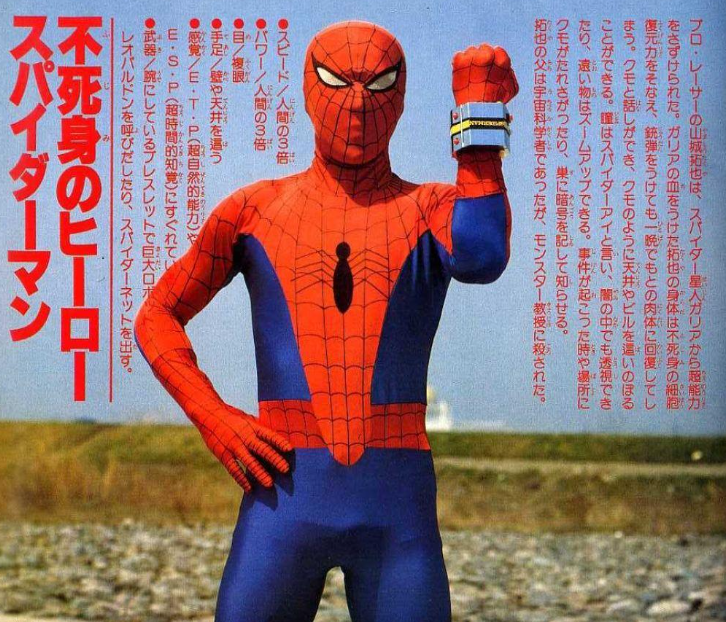
Leopardon is also credited as an early example of the transforming giant robot format that would later become central to Japanese superhero television.
Long before the Spider-Verse made endless variations part of the joke, Takuya Yamashiro had already proved that Spider-Man could survive an almost complete reinvention.
Animated Spider-Man shaped entire generations too
The films are only part of Spider-Man’s screen history.
The 1967 cartoon gave us the famous theme song and an endless supply of internet memes. The 1994 animated series introduced many children to Venom, Carnage, Black Cat, Morbius and the idea of alternate Spider-Men years before the Spider-Verse films. Across its five seasons, it experimented with several versions of Spider-Man and ideas that would later feel very familiar to multiverse-era audiences.
The Spectacular Spider-Man gave us one of the most balanced versions of Peter. He was funny, selfish, brave and still learning. The series understood that Peter’s poor choices were as necessary to the story as his heroism.
Ultimate Spider-Man leaned towards comedy and a younger audience. Other animated adaptations have placed Peter in different stages of life, changed his friendships and altered how much of the wider Marvel universe surrounds him.
For many people, the definitive Spider-Man is not Tobey, Andrew or Tom. It is the voice they heard on television after school.
There is no single correct Spider-Man
Debates about the “best Spider-Man” often separate the actor from the character. Tobey is called the best Peter. Andrew is called the best Spider-Man. Tom is praised for balancing both. The debate is fun, but it misses why all three versions survive.
Spider-Man changes because growing up changes. The problems facing a teenager in 1962 are not expressed in exactly the same way today. A hero created in New York will feel different when reimagined in Mumbai, futuristic Nueva York or a punk world controlled by corporations.
Peter Parker remains central, but he no longer owns the mask alone.
Miles can wear it. Gwen can wear it. Pavitr, Miguel, Hobie and Mayday can wear it. A disabled teenager can wear it. A cartoon pig can wear it. A Japanese motorcycle racer with a giant robot can also wear it.
They do not weaken the original Spider-Man. They reveal how strong the idea has always been.
Spider-Man is not popular because we dream of being bitten by a radioactive spider. We return to him because most of us know what it feels like to be overwhelmed, late, uncertain and still responsible for doing something.
The mask fits so many people because the person beneath it was never supposed to be perfect.